Start with what this place is, because the rest of the story is not worth reading if this part is buried.
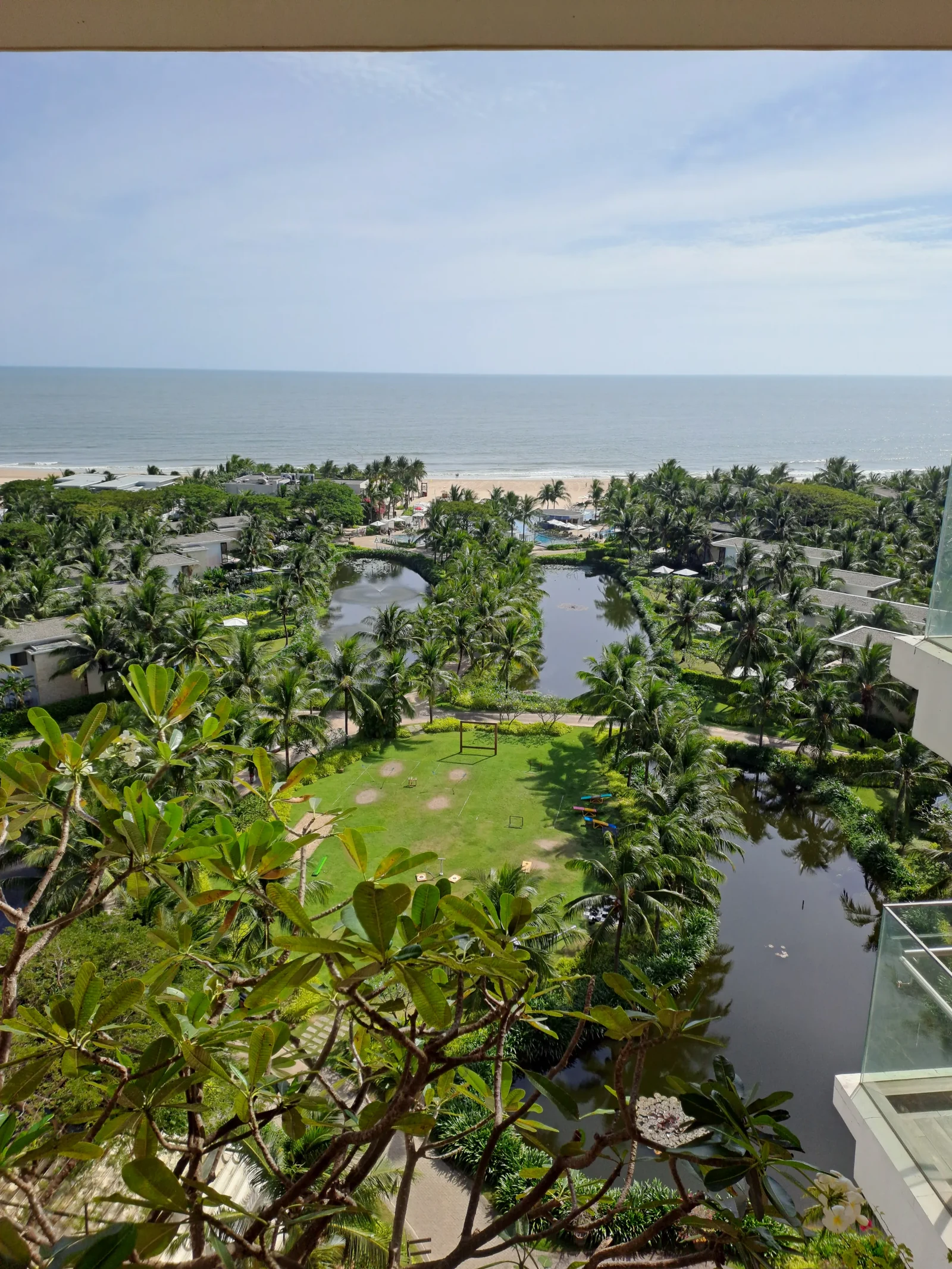
The Meliá Hồ Tràm is operated under a management contract by Meliá Hotels International, a Spanish group founded in Mallorca in 1956 that runs more than four hundred hotels in over forty countries. The land and the buildings belong to Tanzanite International, a Singapore-registered developer which says it owns around two kilometres of beachfront here. It opened in March 2019, originally branded The Hamptons Hồ Tràm. It has 152 rooms and 86 villas. A 2028 expansion will add 191 more keys and a set of branded residences sold to private investors.
It is not family-run. It is not locally owned. It does not have a working life of its own that carries on whether or not travellers arrive; it exists because travellers arrive. Under this site's own standard it fails the first test outright, and no amount of warmth at reception changes that.
Why it has a page anyway
Because of the ground, and because of what is quiet at six in the morning.
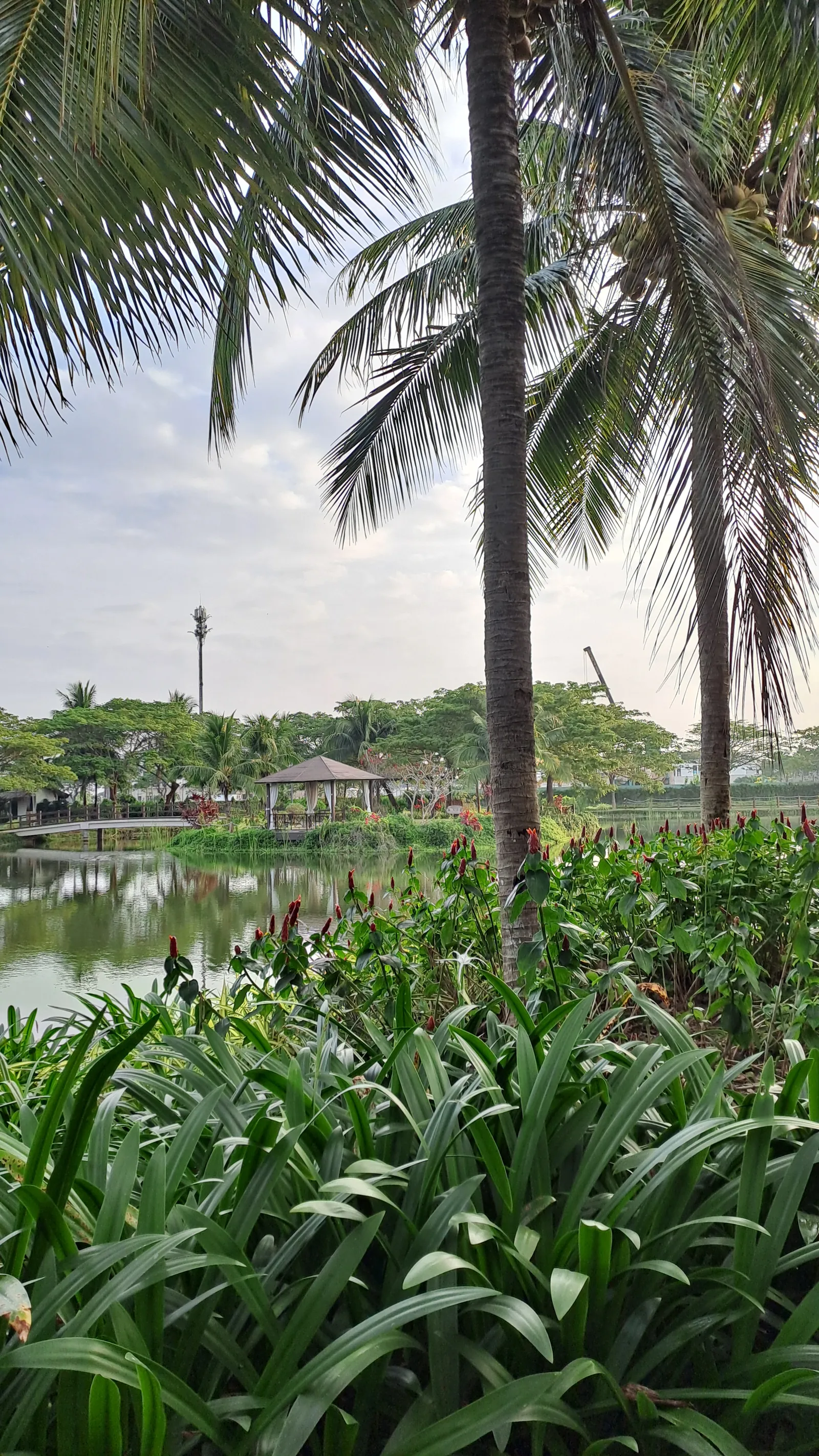
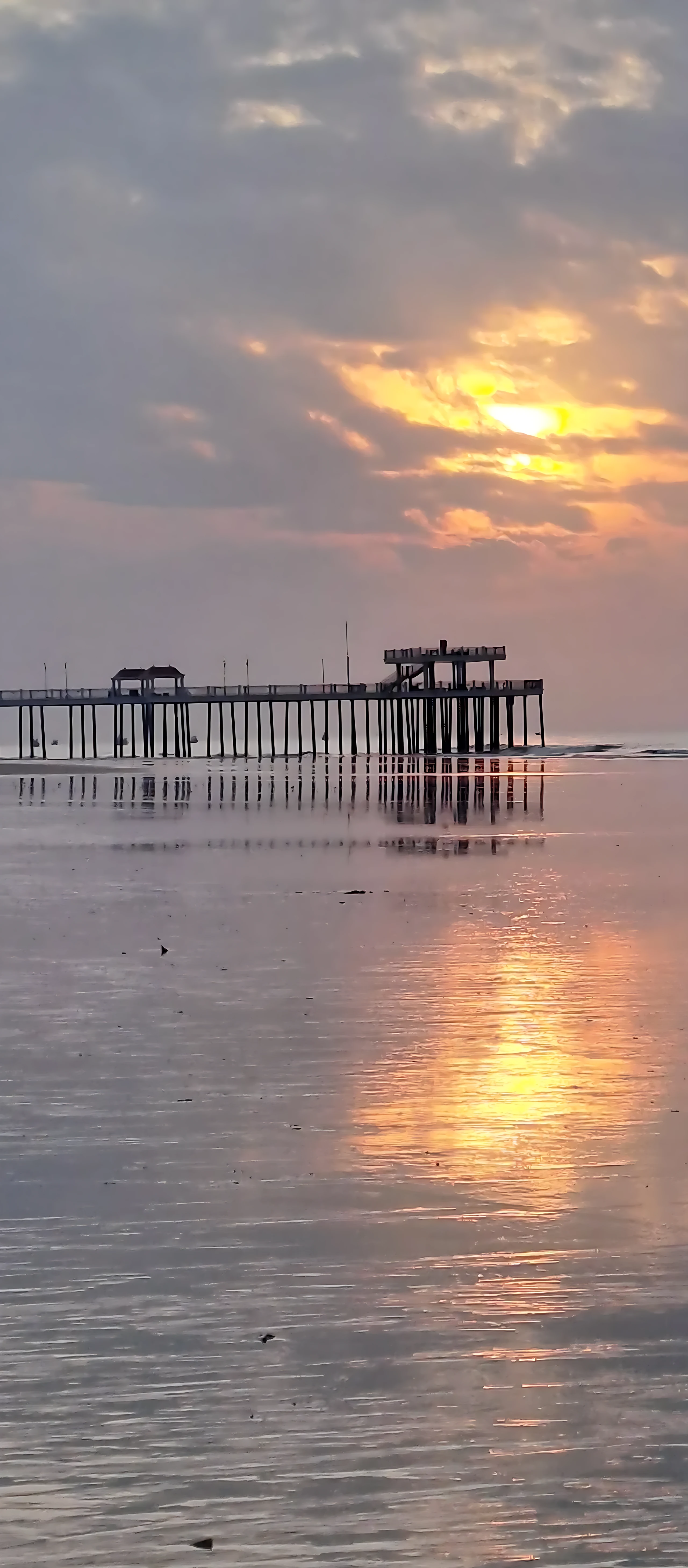
The lagoons behind the beach are still. The beach is enormous. At first light there is nobody on either, and the loudest thing is the sea a long way off across the flats. That is a function of the place rather than the operator, and it is the reason to come.
About the tagline
The chain's line is Soul Matters. It is worth knowing that this is Meliá's brand line across the whole group, launched as a campaign in 2018, and not something written for this coast. A tagline used by four hundred hotels describes a marketing department rather than a place.
A tagline used by four hundred hotels describes a marketing department, not a place.
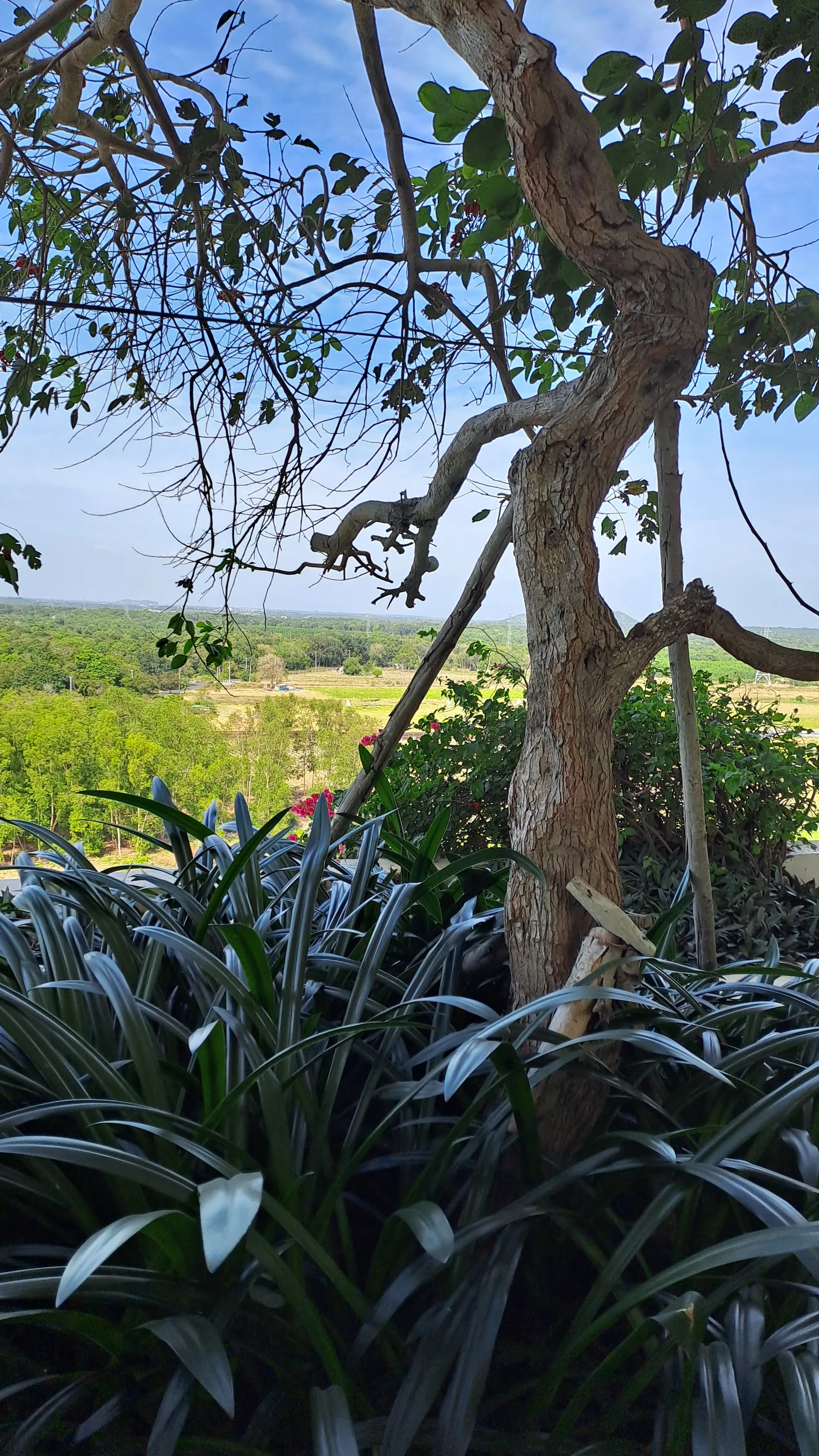
Whether this particular property has anything the word is reaching for is a question a reader can settle from the evidence rather than the slogan: staff who were kind without being trained-kind, a kitchen that is better than it needs to be, and a stretch of coast that has not yet been built over.
What is fair to criticise
It is expensive by local standards and it is commercialised. Both of those are true.
It is also isolated. There is no town within walking distance and no strip of restaurants. If you want to eat outside the property you are going to the fishing village and the seafood market, which is the best meal available here and the one most guests never have.
And nothing about it is certified. No ecolabel, no third-party environmental stamp of any kind. Where the operator makes an environmental claim, it is the operator's claim.
What we actually know
- Operated by Meliá Hotels International under a management agreement. The land and buildings are owned by Tanzanite International, registered in Singapore. It opened in March 2019 as The Hamptons Hồ Tràm.
- 152 rooms and 86 villas. A 2028 expansion adds 191 keys and branded residences sold to private investors. The returns advertised on those residences are the developer’s own projections, not verified outcomes.
- Meliá was founded in Palma de Mallorca in 1956 and runs more than 400 hotels in over 40 countries, around thirteen of them in Vietnam.
- “Soul Matters” is the Meliá brand tagline across the group, from a 2018 campaign. It is not specific to this property.
- The property holds no independently assessed environmental certification.
- Under Vietnamese law the beach is public. “Private beach” is marketing language, not a legal description.
Whether the kids’ club is included in the room rate or charged as an extra is not documented consistently, and one booking source lists childcare with a surcharge. Ask when you book.
How this story was made. Photographed on a phone, on foot. Nothing here is sponsored, nothing was provided free, the stay was found, booked and paid for at our own cost, and the hotel did not know it would be written about. Ownership and corporate detail come from the operator, the developer and Vietnamese trade press. Where a figure is the operator’s own claim, it is described as one.
Independent and self-funded. Atlántis is not sponsored by design: not affiliated, not a paid placement, and nobody we write about knew in advance. Everything on this page was found, booked and paid for at our own cost. The views are our own, judged against the Atlántis values: sustainability, cultural immersion, eco travel, real experiences, family-friendliness, and car-free travel or the deep past, depending on the place.