The mountain filling the window is on a different island. That is the first thing to understand about this place, and it turns out to be the first thing to understand about the hotel too.
Bancal stands above the south-east corner of La Gomera, at El Lomo del Clavo, five kilometres from San Sebastián. From every terrace you look at Teide. Teide is on Tenerife, thirty-odd kilometres away across open water. You are not admiring the top of your own island. You are watching the highest point in Spain from somewhere else entirely, which is a considerably better thing to have with breakfast, and a useful reminder that what you can see from a building is not the same as what the building belongs to.
A bancal is a terrace — the stepped, dry-stone agricultural terracing that holds soil on a Canarian hillside against gravity and rain. The building is designed after them. Three storeys, no more, stepping down the slope instead of standing on it.
The village called it the monstrosity
Before it was a hotel it was a ruin. Somebody else’s scheme had gone up on the headland and then stopped, and the concrete skeleton stayed where it was, visible from the road, for years. Local people called it el mamotreto — roughly, the great ugly lump. That nickname reaches us through a piece published in a newspaper’s sponsored-content section, so treat it as colour rather than as reporting; but anybody who has driven past an abandoned build on a beautiful coast knows the feeling behind it exactly.
What Corporación Arca did was keep it. Not clear it and start again. They built the hotel onto the existing structural skeleton, so no untouched ground was taken.
“A hotel that reuses the structural skeleton of an old unfinished project, and that lets us recover a setting that was in a state of abandonment.” — David Aguiar
That is the chief executive’s own line, given to the island press in June 2023 and repeated when the doors opened. It is the single most defensible thing about the building, and it is defensible because it is physical. You can stand on the terrace and see the old concrete carrying the new floors.
The rest follows from the same decision. Renewable electricity. One of the larger hotel solar installations in Europe, reported to cover more than half the site’s energy. A private wastewater plant with zero discharge, recycling its own water — and then the part that is genuinely unusual: they gave the treatment plant to the municipality. Any hotel can publish a sustainability page. Building a piece of public infrastructure and then handing it over is a decision with a cost attached and a benefit that outlives the business.
Now the correction, because it is the whole story
We had this wrong, and it is worth showing the working rather than quietly fixing it.
The easy version of Bancal — the version that would sit very comfortably on this site — is a Gomeran family who built a hotel on their own island. We cannot support it. Corporación Arca, the group behind the hotel, is described in the Canarian press as a Tenerife group with wholly Canarian capital. Bancal is its first hotel; the business before this was construction, property, agriculture and renewable energy. We searched the Canarian press, the trade press, the island papers and the company’s own material, and found no interview, no profile and no biography of the family — and nothing at all placing them on La Gomera. Luis Aguiar and Candelaria Rodríguez, named at the official presentation as the people who drove the project, do not appear on the company’s own team page and have never, as far as we can find, given a quote to anyone.
So the founding story is not available. That is not an accusation; plenty of good businesses are run by people who do not care to be written about. But it does mean nobody should sell you this hotel as a local family made good, and we are not going to.
What is Gomeran about it is the staff
Here is where the place gets its soul, and it is not in the deeds.
At opening there were about 110 employees and roughly seven in ten were from La Gomera. A year later, at the official presentation, the figure given was 150 people and about six in ten. More than two hundred people worked on the construction. On an island of roughly twenty thousand, those are not human-resources statistics. That is a significant share of a small population deciding that this is what they do now.
The director, Víctor Gil, put the reasoning about as plainly as it can be put: there is nothing better than Gomerans to speak well of their island. That is a hiring policy and a cultural position in one sentence, and it is the difference between a hotel that has local staff and a hotel whose local staff are the product.
Leticia Dorta, the operations director, said the idea was to convey the essence of La Gomera in every sense. That is the kind of sentence that means nothing until somebody does something with it. What has been done with it: Airam Padilla runs the kitchen at Larrife, the à la carte restaurant ninety-two metres above the sea, and cooks classic Canarian recipes. The room seats fifty and has its own entrance from the street, so islanders can eat there without walking through a hotel lobby. That last detail is small and it is the tell. A restaurant with its own door is a restaurant that expects locals.
When the hotel opened, the headline in Canarias7 was not about luxury. It was a hotel for Gomerans to feel proud of. Whether it earns that is for Gomerans to decide, and the honest answer is that it is two years old and nobody knows yet.
The bread, and what is missing from it
There is a merendero with a wood-fired oven, and they run a workshop in it. The bread is named: pan de leche gomero, Gomeran milk bread. Not a generic artisan loaf. A specific thing from this specific island.
And then the workshop stops short, because nowhere — not in the hotel’s material, not in any coverage — is there a name. Who taught them. Which village bakery. Whose grandmother. A bread-making workshop that reproduces a local practice without naming who it learned it from is doing half the job: it has the technique and not the lineage, and the lineage is the part that cannot be bought.
The same gap runs through the experiences. The hotel states plainly that its activities are carried out by external providers, and lists them by activity: walking in Garajonay, walking in the Puntallana reserve, a jeep safari, guided cycling, whale and dolphin watching, boat hire, and — the one that stands out — an artisan winery above 1,300 metres. It names not one of the businesses. We have asked. If those experiences really are led by outside Gomeran operators, naming them is the detail that would separate this hotel from every other new resort in the Canaries, and it costs nothing.
Who is actually out there
Since the hotel will not tell you, here is some of what a guest is within driving distance of, and the people holding it up. None of this is affiliated with Bancal. That is rather the point.
The palm tappers. Miel de palma, palm syrup, is made by climbing about ten metres up a Canary palm, stripping the upper fronds to expose the heart, and then shaving a thin layer off the white interior every single day to keep the wound open. The sap runs down a wooden channel into a hanging bucket, roughly twelve litres a day, and is brought down each morning and cooked for seven or eight hours, held below seventy degrees. Eight litres of sap make one litre of syrup. Cut too deep and the palm dies.
A field study by AIDER La Gomera, carried out in November 2021, found seven men still doing it, and recorded all seven by name. Ignacio Noda Castañeda, working Los Loros, was 87. Andrés Cordovez León, working Tazo and Cubaba, was the youngest at 60. Five of the seven were over seventy. Those are the ages as recorded then, and we have not been able to establish who is still climbing.
Seven men, five of them past seventy, ten metres up a palm tree with a blade. That is the entire trade.
You can see how it is done at the Casa de la Miel de Palma in Alojera, run by AIDER, though whether you can watch an actual tapping is not something we can promise.
The miller. Rayco Herrera Chávez mills gofio at Corralete 15, in the Valle Alto above Hermigua. He came into the trade in 2006 working for his older brother Juan, who owned the mill. Juan died in 2008, at thirty-two, and Rayco took it over. In 2021 his maize gofio took the Gran Medalla de Oro at the Agrocanarias competition, against eighty-six samples from seventeen mills across the archipelago. He buys from smallholders still growing maize on La Gomera and goes to see them himself. Fifteen Gomeran mills entered the same competition in 2016, so this is not a last-survivor story — it is a living trade that happens to have somebody very good in it.
The cheesemakers. Three families, at least, still making Gomeran goat cheese: Plácido Ramos with his wife Rosario Cabrera and their children at Chejelipes; Ángel Morales and his son Iván at Ayamosna; and at Cañada de Chiquerones, Magnolia Armas, who smokes and cures, with her brother Cristóbal on the herd. Magnolia Armas described the work in one line that tells you everything about what a tradition actually is: every night she lights the fire so the cheeses take the smoke, because that is what helps them keep and ripen. Those details come from reporting in 2016, so ages and arrangements will have moved on.
The whistlers. Silbo Gomero — the whistled language that carries across ravines because shouting will not — was inscribed by UNESCO in 2009 as the world’s only fully developed whistled language still used by a large community. More than twenty-two thousand people use it. It has been taught in the island’s schools since an order of 5 July 1999, and a 2018 order extended it into the upper secondary years. The reason it survived is a person: Isidro Ortiz Mendoza, born around 1930, who taught it to hundreds and was central to the UNESCO case. He was honoured at the close of an international conference on whistled languages in November 2024, in his nineties. The people teaching it now have names too — Silvia Martín, Ana Luz Arteaga, Juan Manuel Chinea — and that is what a tradition being alive actually looks like: not a demonstration for guests, but a timetable slot and a named teacher.
The drum. The tambor gomero is a wicker frame headed with the skin of a young goat, struck standing, always paired with chácaras. It is played at the August patronal fiestas across the island and at the Encuentro de Chácaras y Tambores at Alajeró, which is free and open to everyone; the seventh edition was held in June 2025. Eduardo Duque, a young romancero, said of it: it is the music that fits the landscape. Nobody has ever written down who makes the drums, which is its own small scandal.
What we can confirm ourselves
Two things we previously could not source, we can now say from our own stay rather than from anybody’s brochure.
The children’s provision is real and it is specific: two clubs, called Tierra y Fuego and Aire, covering ages four to sixteen, with a room kept for cinema and theatre. The idea of a children’s programme built around going out into the gardens and finding insects is a considerably better use of a child’s week than a screen, and it is what we saw. The experiences are genuinely run by people from outside the hotel. We can vouch for that as guests. We still cannot tell you their names, because nobody publishes them.
The food was good and much of it was grown close by. The gardens are planted with native island species and edible plants and irrigated with the hotel’s own recycled water; the kitchen garden supplies herbs for the drinks in the lobby. How much of the kitchen it really supplies is not established, and the hotel’s own pages and the tourism board’s listing do not entirely agree about it.
It holds no third-party environmental certification. What it has instead is a set of physical facts about how it was built, and about three-quarters of a staff list from the island it stands on. In this case that is worth more than a label, and it is the only reason this page exists.
What we actually know
- Bancal Hotel & Spa is at El Lomo del Clavo on La Gomera, about five kilometres from San Sebastián. The Teide view is across the strait to Tenerife.
- It opened on Monday 1 July 2024. The official presentation, with the regional president present, was a year later on 26 July 2025. 276 rooms, all with terraces, and a maximum of three storeys.
- Owned by Corporación Arca, a Canarian group described in the Canarian press as Tenerife-based, with wholly Canarian capital. Bancal is its first hotel; the group’s previous business was construction, property, agriculture and renewable energy.
- David Aguiar is chief executive. Alberto Aguiar is listed as head architect on the company’s own team page. Luis Aguiar and Candelaria Rodríguez were named at the 2025 presentation as the people who drove the project.
- Around 110 staff at opening, about 70 per cent from La Gomera; about 150 staff and 60 per cent by July 2025. Over 200 construction jobs. Víctor Gil is hotel director, Leticia Dorta operations director, Airam Padilla executive chef at Larrife.
- Built on the retained structural skeleton of an abandoned project, so no untouched ground was occupied. Runs on renewable electricity, with a solar installation reported as among the larger hotel arrays in Europe and covering more than half the site’s energy.
- Private wastewater treatment plant with zero discharge and water recycling. The plant was donated to the municipality. Gardens planted with native species and edible plants.
- Children’s clubs Tierra y Fuego and Aire, ages four to sixteen. Three pools held at 29°C plus a children’s pool. The hotel states its experiences are delivered by external providers and names none of them.
- Silbo Gomero was inscribed by UNESCO in 2009 and has been taught in island schools since an order of 5 July 1999. The 2021 AIDER field study recorded seven working palm tappers by name, five of them over seventy at the time.
- The hotel holds no third-party environmental certification that we could verify.
Still open: the names of the external providers, the artisan winery above 1,300 metres, whoever leads the bread workshop, and who tends the gardens. We have asked the hotel directly. These are easy questions and the answers are the difference between a place with a story and a place with a brochure.
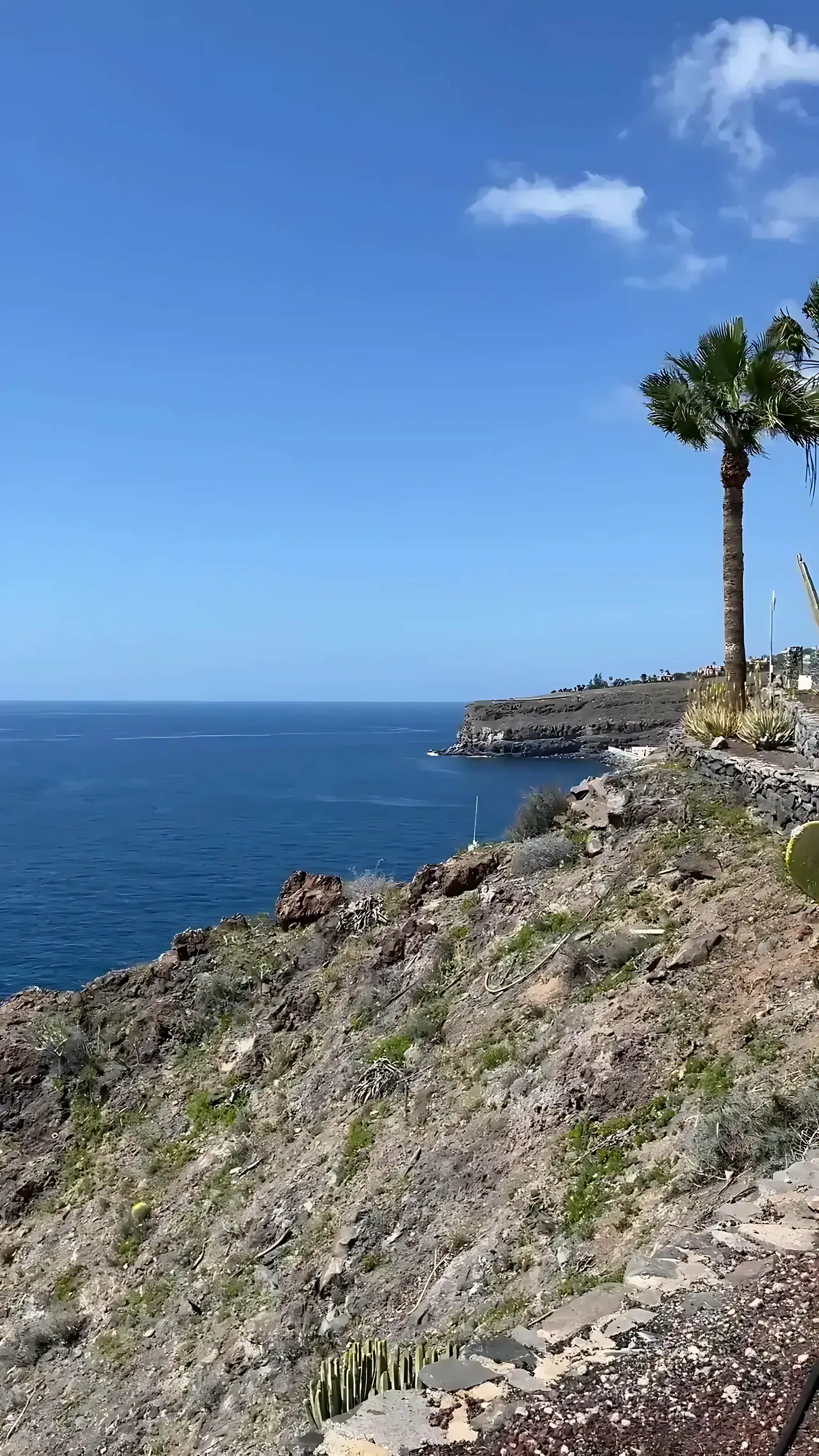
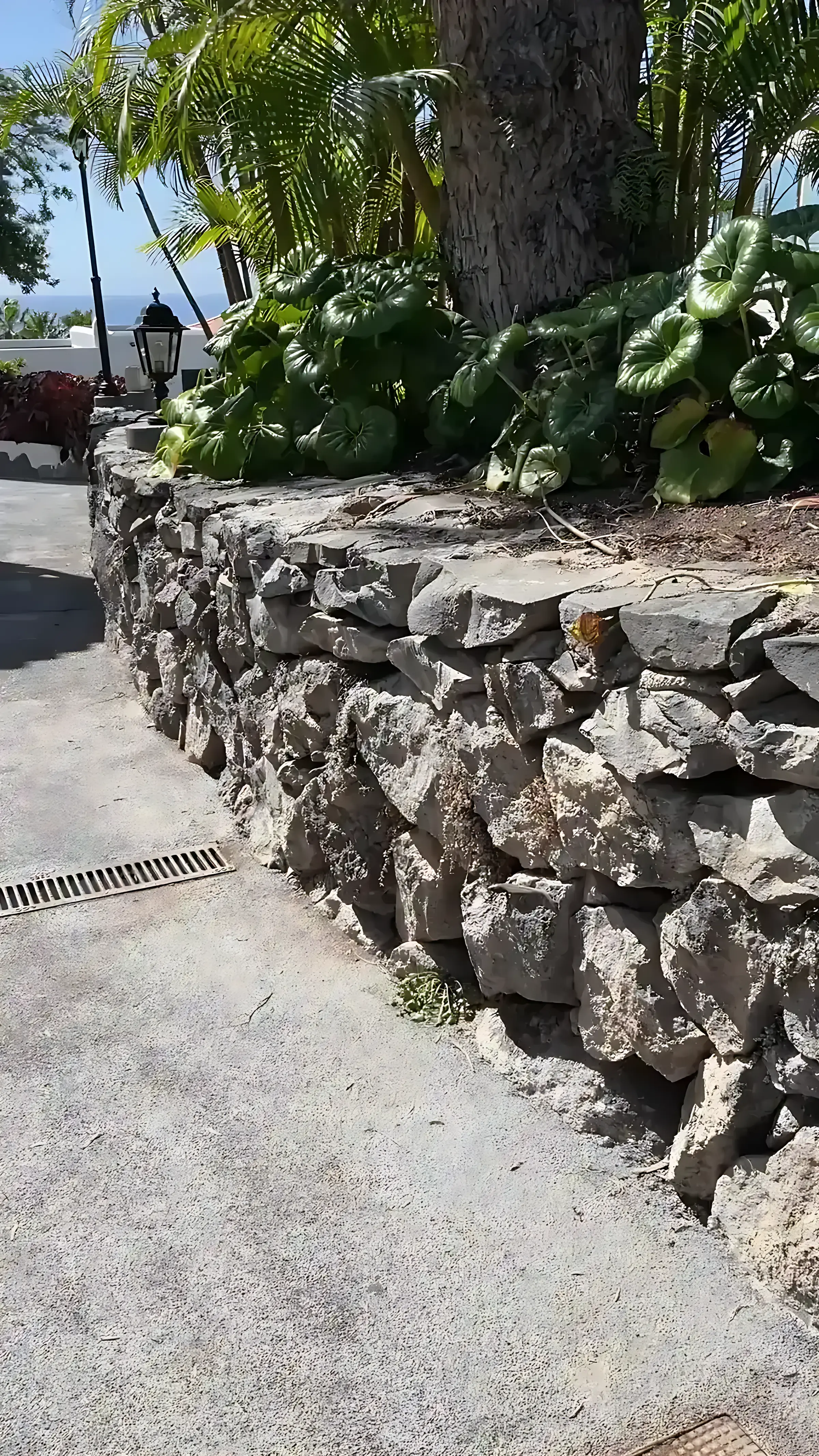
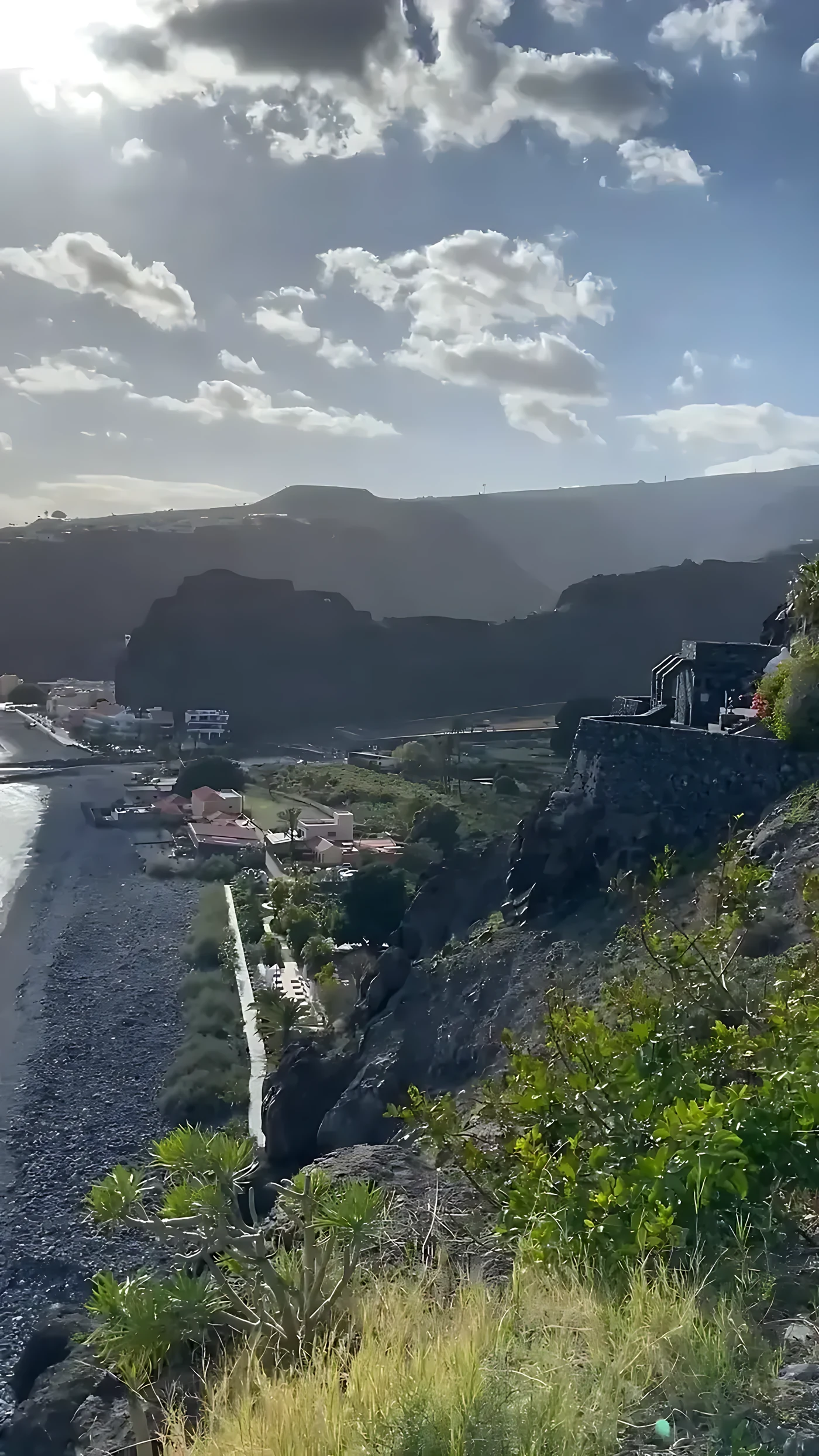
How this story was made. We stayed at Bancal and paid for it; nothing here is sponsored and nothing was provided free. We did not photograph the hotel. The photographs on this page are of La Gomera and are captioned as such — none of them show Bancal, and we would rather run honest pictures of the island than borrow somebody’s press images. Dates, names and figures come from the Canarian and trade press, the island council, a 2021 field study by AIDER La Gomera and the operator’s own material, and are attributed in the text wherever they are somebody’s claim rather than an established fact. Where we could not source something, we have said so instead of writing around it.
Independent and self-funded. Atlántis is not sponsored by design: not affiliated, not a paid placement, and nobody we write about knew in advance. Everything on this page was found, booked and paid for at our own cost. The views are our own, judged against the Atlántis values: sustainability, cultural immersion, eco travel, real experiences, family-friendliness, and car-free travel or the deep past, depending on the place.