The balcony wall is the right height for a cup. That is an accident of Canarian building rather than a design decision, but it is true of almost every wall here, and after a day or two you stop carrying the coffee to the table and simply put it on the wall.
From there you look down a slope of tiled roofs and palms to the sea, and the whole thing is so composed that it takes a while to notice you are standing above a valley.
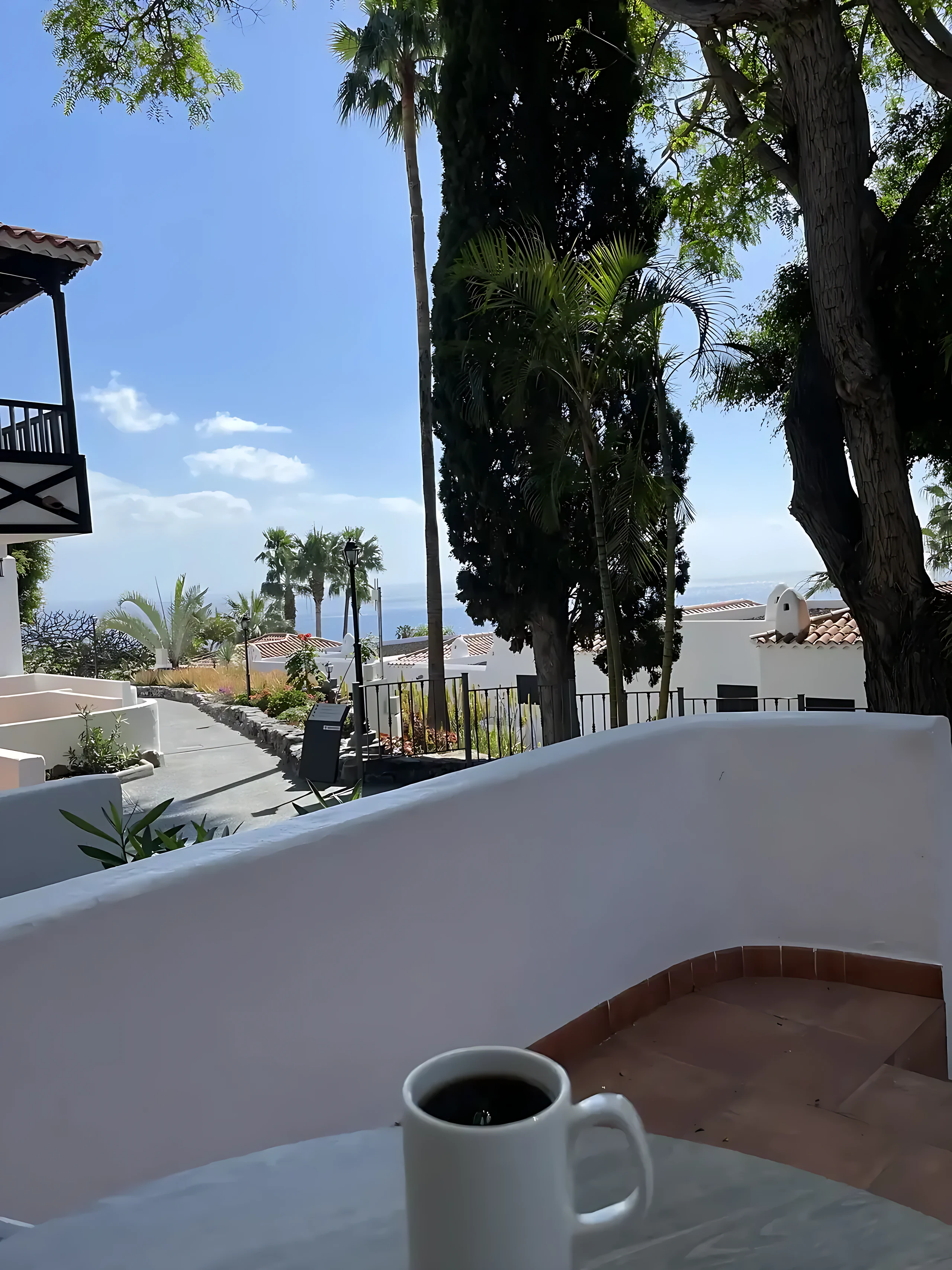
The valley is called the Barranco de Santiago
It runs down from the high ground to the sea, and the village at the bottom of it is the one this hotel sits above. Barrancos are what La Gomera is made of: deep ravines cut into a worn-down volcano, so steep and so numerous that people here developed a whistled language to talk across them, because a shout will not carry and a walk takes an hour.
Coffee has grown in valleys like this one for as long as anybody can remember. Not commercially. Nobody exported it and nobody wrote it down. A few trees at the bottom of a plot, enough for a household, passed along with the land.
In October 2021 the island council did something about that. They established the first coffee nursery in La Gomera’s history, at the Cruz Chiquita plant nursery, and started with two thousand five hundred plants.
The seed did not come from a supplier. It was recovered from cherry harvested in the Barranco de Santiago.
This valley. The one below the wall you are resting your cup on.
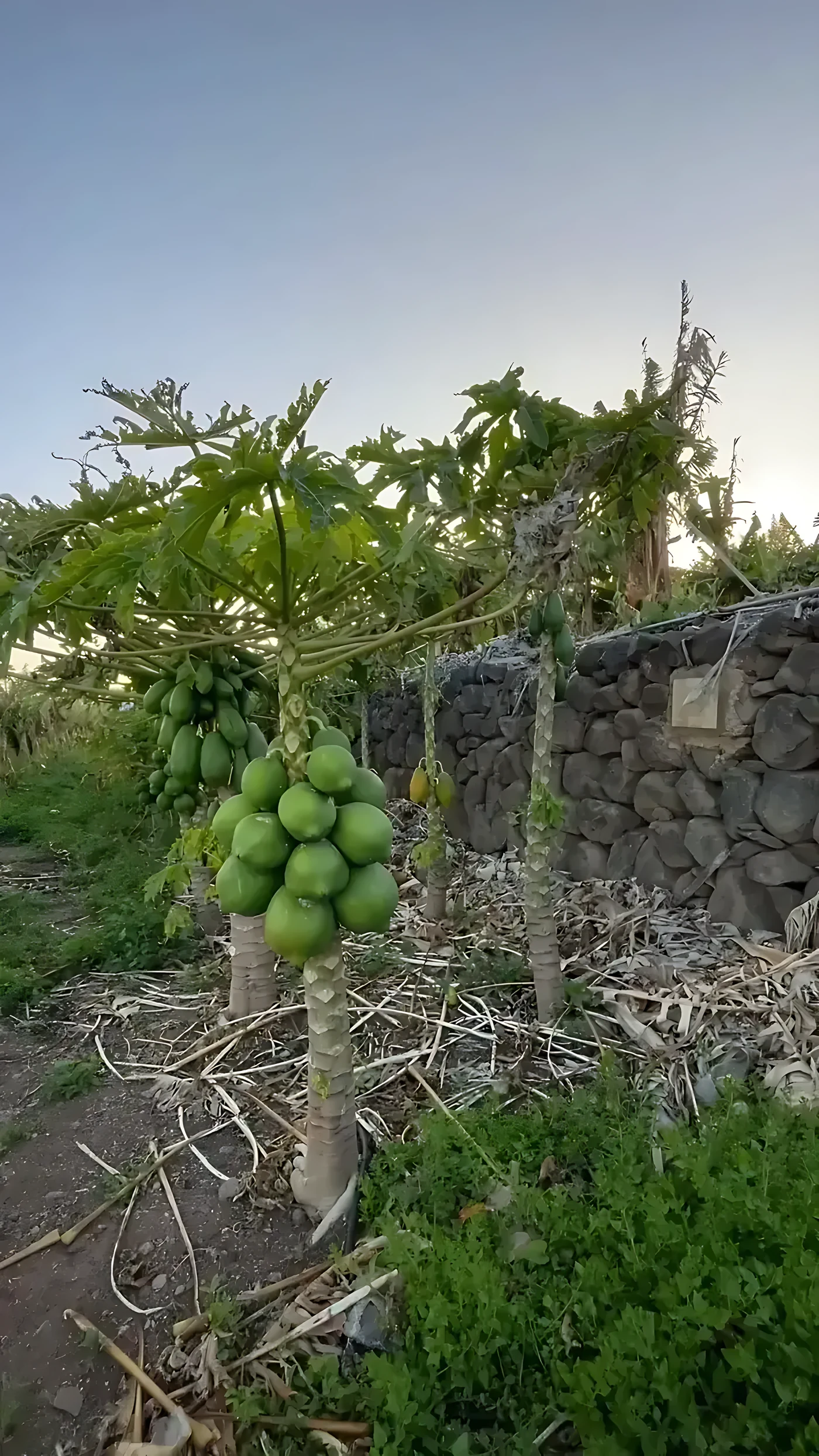
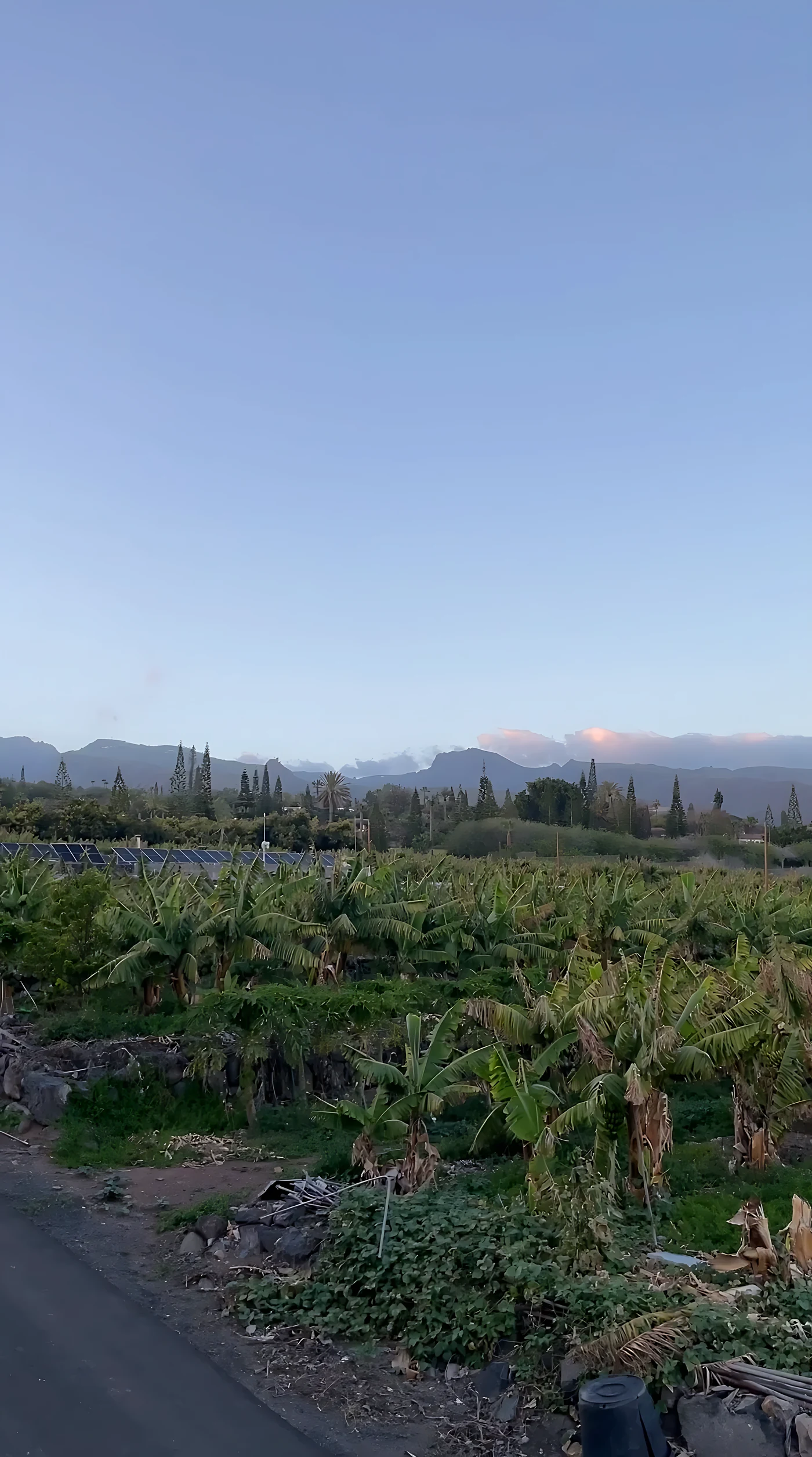
Why this is worth travelling for
Europe grows almost no coffee. The plant wants a band of the world that Europe mostly sits outside of, and the handful of places on this continent where it fruits are all islands like this one, on the wrong side of a latitude, kept warm by the sea.
So coffee grown in Europe is rare. Coffee grown from seed taken out of the specific ravine at your feet is something else again. It is the opposite of the way almost all agriculture now works, where the variety comes from a catalogue and the soil is asked to accommodate it.
The project’s director, Shirly Millo, described the aim as recovering seed that is genuinely of the island, so that what grows here is from here. The council’s president, Casimiro Curbelo, was careful about the ambition: grow it for their own consumption first, and only then work out whether there is anything worth selling.
That order of operations is the whole thing. Feed yourselves, then see. It is slow and unglamorous and it is the exact opposite of how a destination usually announces a new product.
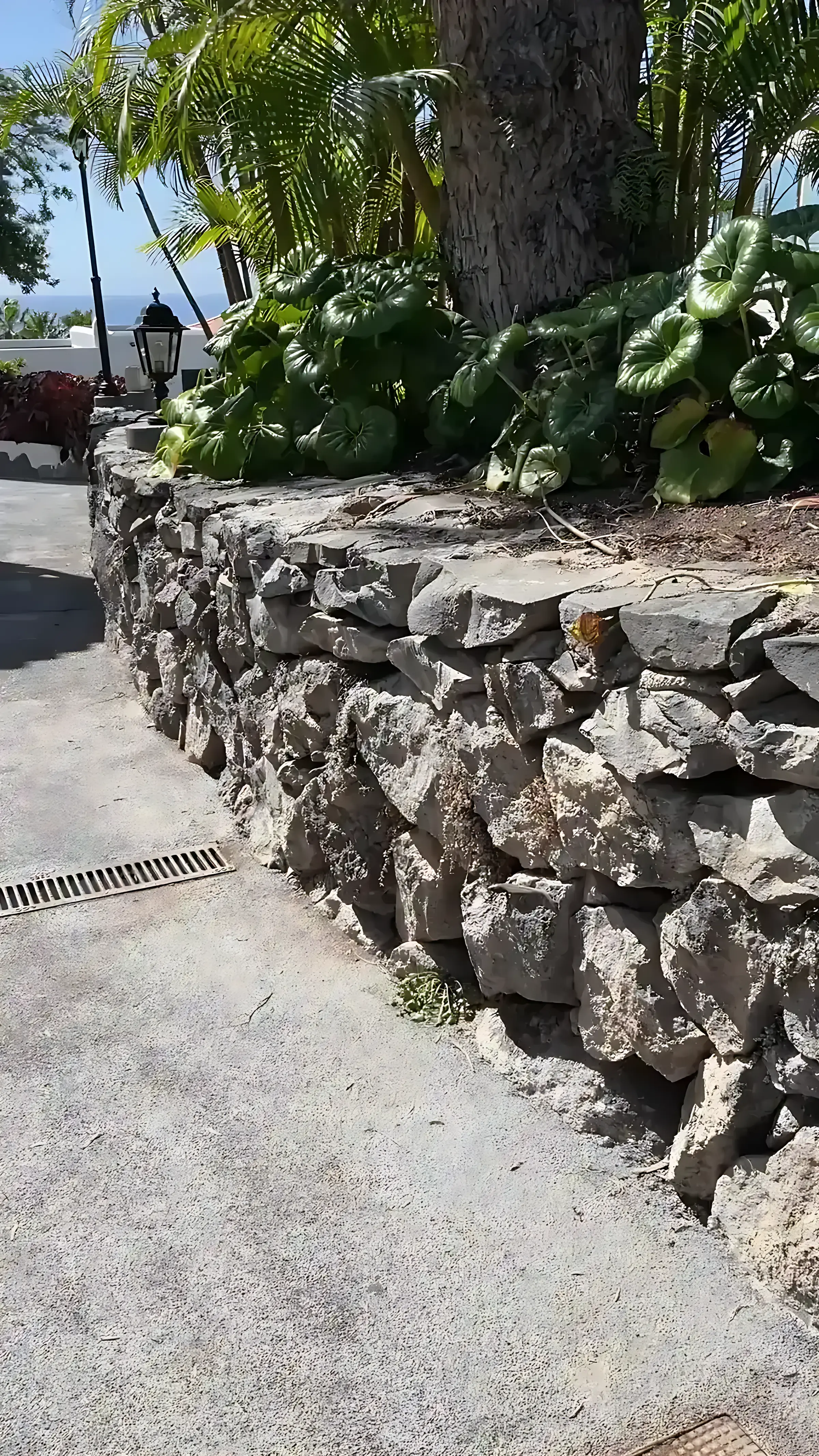
What you will not find
There is no La Gomera coffee to buy in a gift shop. There is no plantation tour. At the time of writing there is a nursery, some plants in the ground, and an island government that decided an old domestic habit was worth treating as agriculture.
If you want to taste it you will have to be the kind of traveller who talks to people, and you will probably still fail, and the failing is not the worst part of a trip.
What you can do is stand on the wall in the morning with a perfectly ordinary cup of coffee, look down a valley that has been quietly growing the real thing for generations without telling anybody, and adjust your idea of what a small island knows about itself.
What we actually know
- Coffee has long grown on La Gomera for household use rather than for sale.
- In October 2021 the Cabildo Insular de La Gomera established the island’s first coffee nursery, at the Vivero Cruz Chiquita, beginning with 2,500 plants.
- The seed was recovered from cherry harvested in the Barranco de Santiago — the valley below Playa de Santiago.
- The project’s stated aim is to develop a coffee native to the island, growing first for local consumption and only later assessing commercial sale. Shirly Millo directed the project; Casimiro Curbelo is the council president.
- Silbo Gomero, the island’s whistled language, exists because these ravines are too deep and too wide to shout across. It is recognised by UNESCO and taught in the island’s schools.
We could not establish whether the hotel’s own Eco Finca Tecina grows any coffee, or whether island coffee is served anywhere commercially. The coffee in the photograph is not claimed to be from La Gomera. If that changes, this page will.
How this story was made. Reported on the ground and checked against the Cabildo Insular de La Gomera, which published the nursery project and its figures. Nothing here is sponsored. We do not claim the coffee in the photograph is from the island; we have said plainly that it almost certainly is not.
Independent and self-funded. Atlántis is not sponsored by design: not affiliated, not a paid placement, and nobody we write about knew in advance. Everything on this page was found, booked and paid for at our own cost. The views are our own, judged against the Atlántis values: sustainability, cultural immersion, eco travel, real experiences, family-friendliness, and car-free travel or the deep past, depending on the place.