You stop noticing the walls after about a day, and that is the problem with them.
They are everywhere. Along the paths, under the plantations, holding up the edge of every flat piece of ground on an island that has almost no flat ground. Blocks of volcanic stone stacked without mortar, fitted by eye, the gaps packed with smaller stones. They look like geology. They are not. Every one of them was carried and placed by somebody.
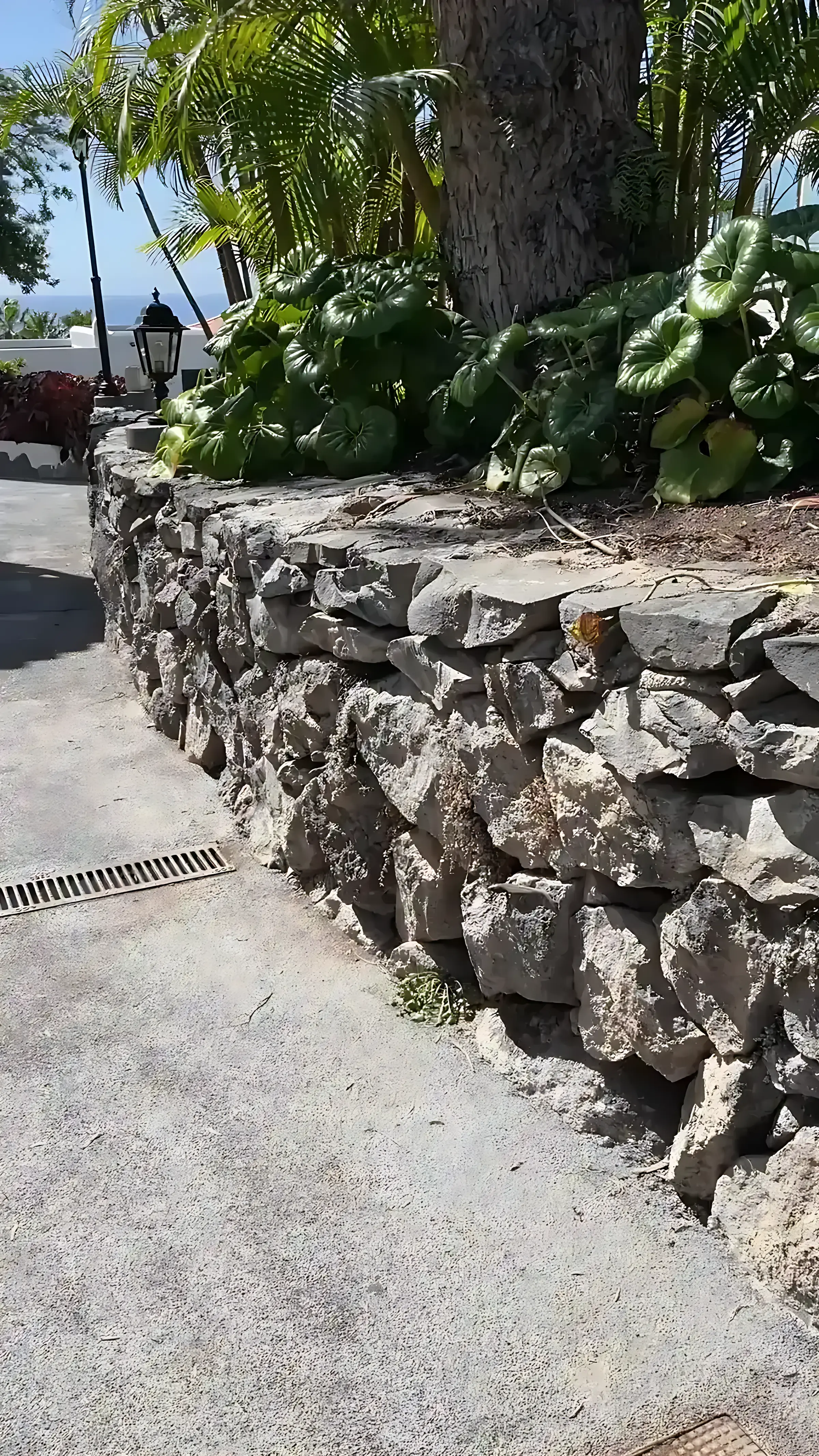
What a terrace actually is
A bancal is a step cut into a hillside and held there by a wall, so that soil which would otherwise be in the sea stays where a person can farm it. Making one is not a morning’s work. You quarry the stone, usually from the ground you are clearing. You build the wall. You then have to put soil behind it, and on a slope of volcanic rubble that often means carrying it.
Multiply that by a hillside. Then by an island. The Canaries were terraced over centuries by people who did it because the alternative was not eating.
Everything green on this side of the island is standing on somebody’s labour. Not metaphorically. Structurally.
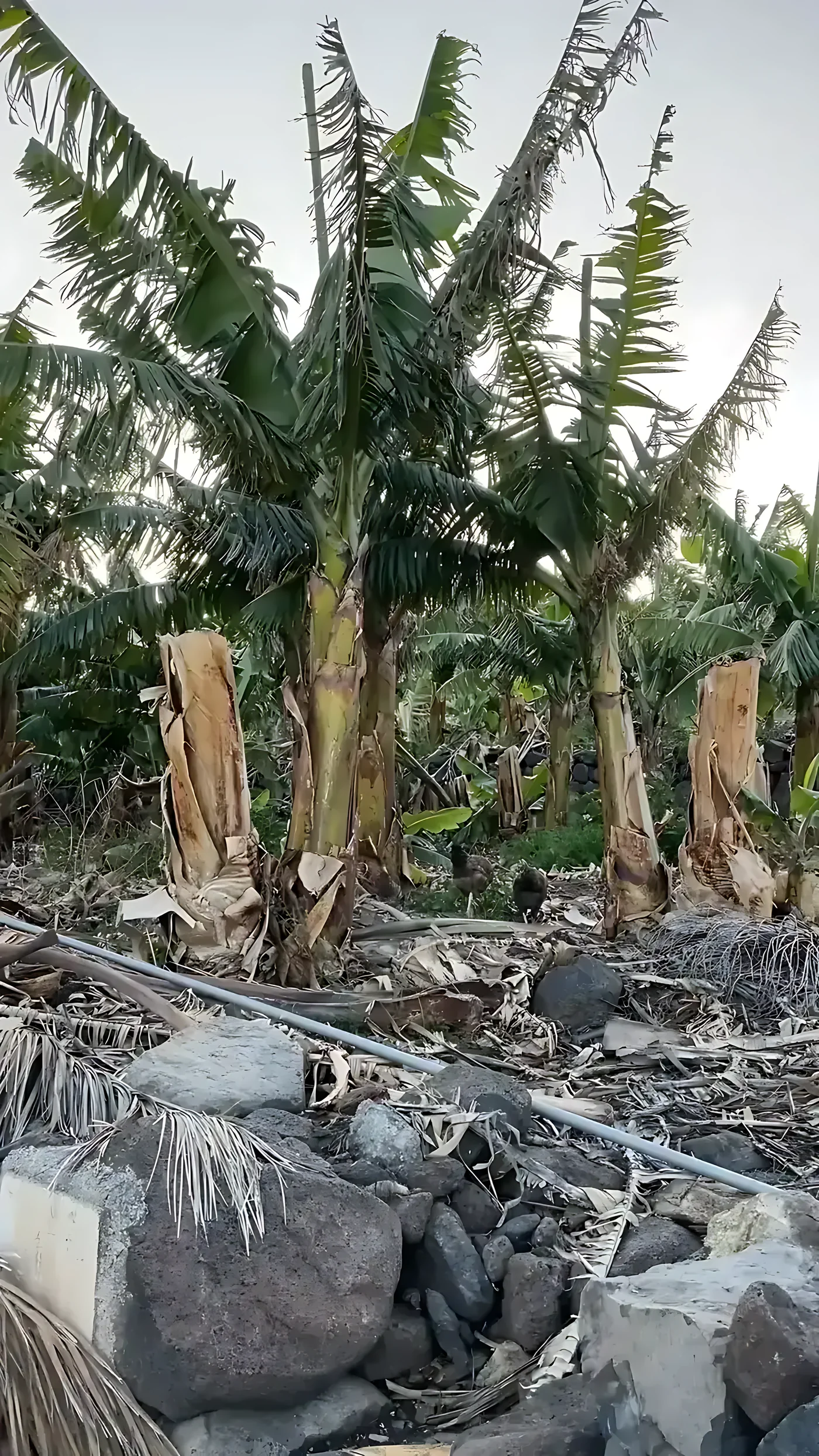
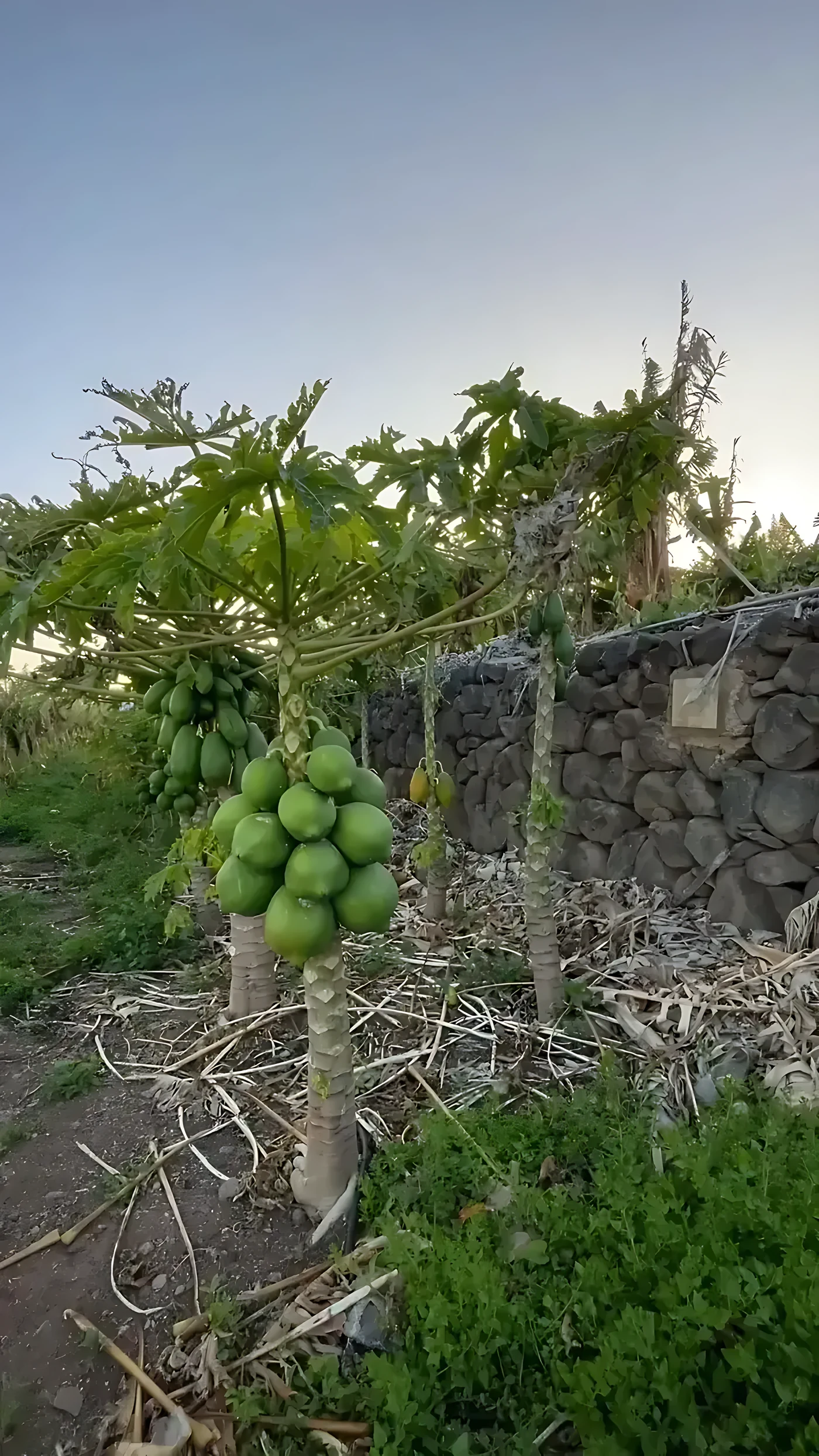
The island is a worn-down volcano
La Gomera stopped erupting roughly two million years ago and has been eroding ever since. What is left is a high central dome cut by ravines that run down to the sea like the segments of an orange, which is why the roads are slow, why the whistled language exists, and why two villages a kilometre apart as the crow flies can take an hour to travel between.
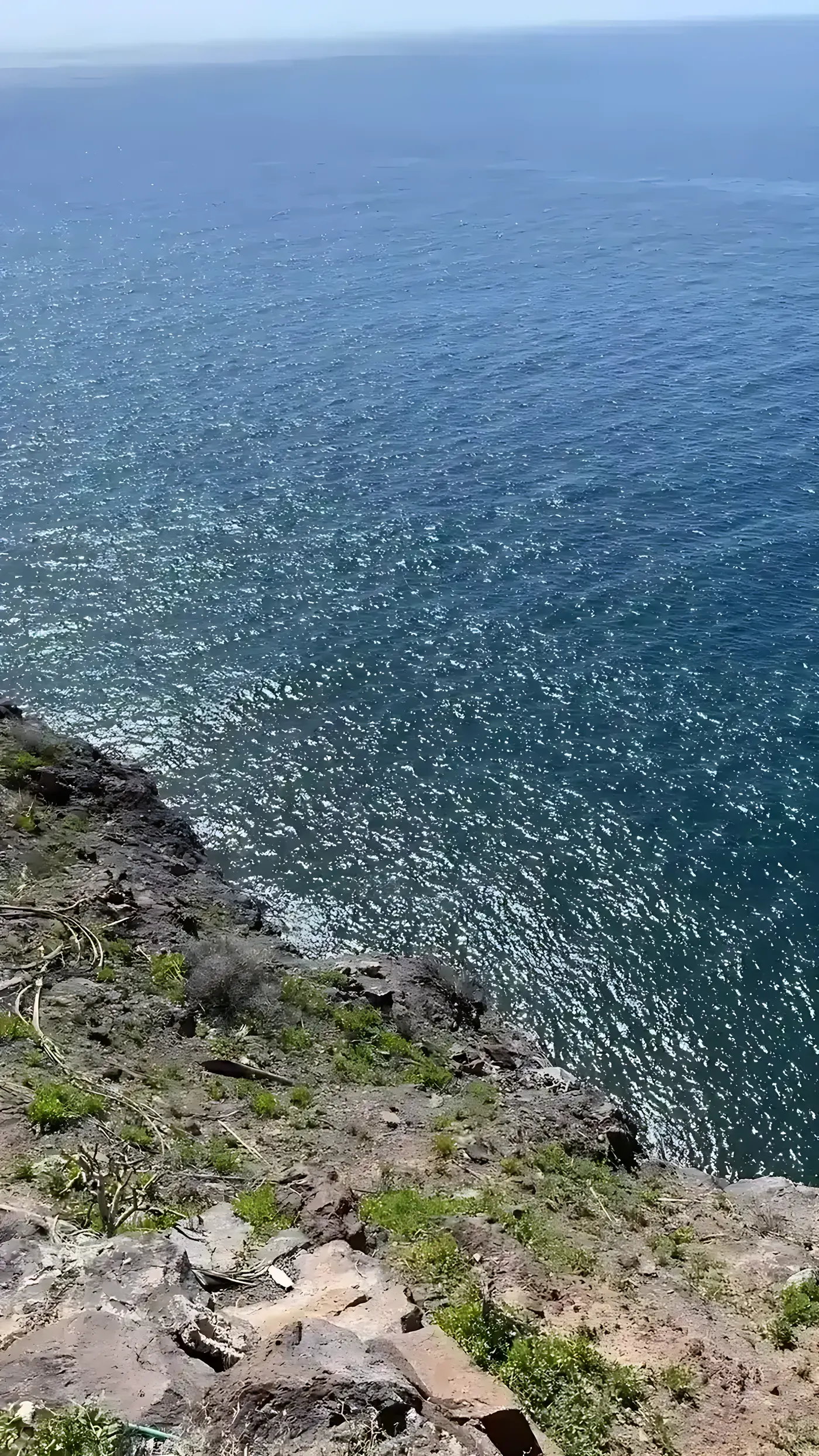
Stand at the cliff edge and the cross-section is right in front of you: layers of lava, rubble and ash, stacked and then sliced open by water.
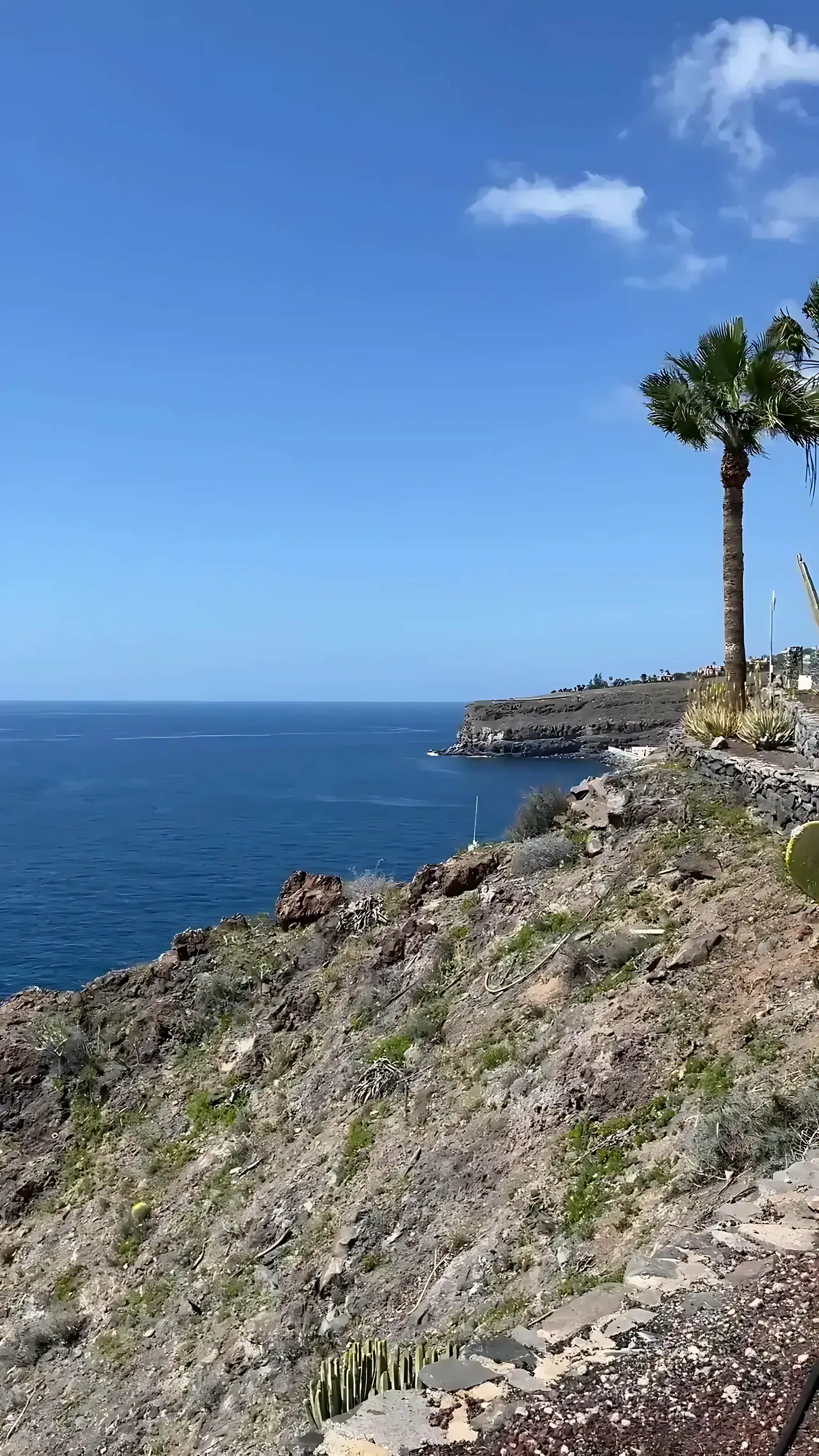
The water is deep very quickly. There is a resident population of pilot whales in the channel between here and Tenerife, and the island’s waters are recognised as a European Whale Heritage Site by the World Cetacean Alliance. You do not have to go far out to be above serious depth.
Two islands, one landmass
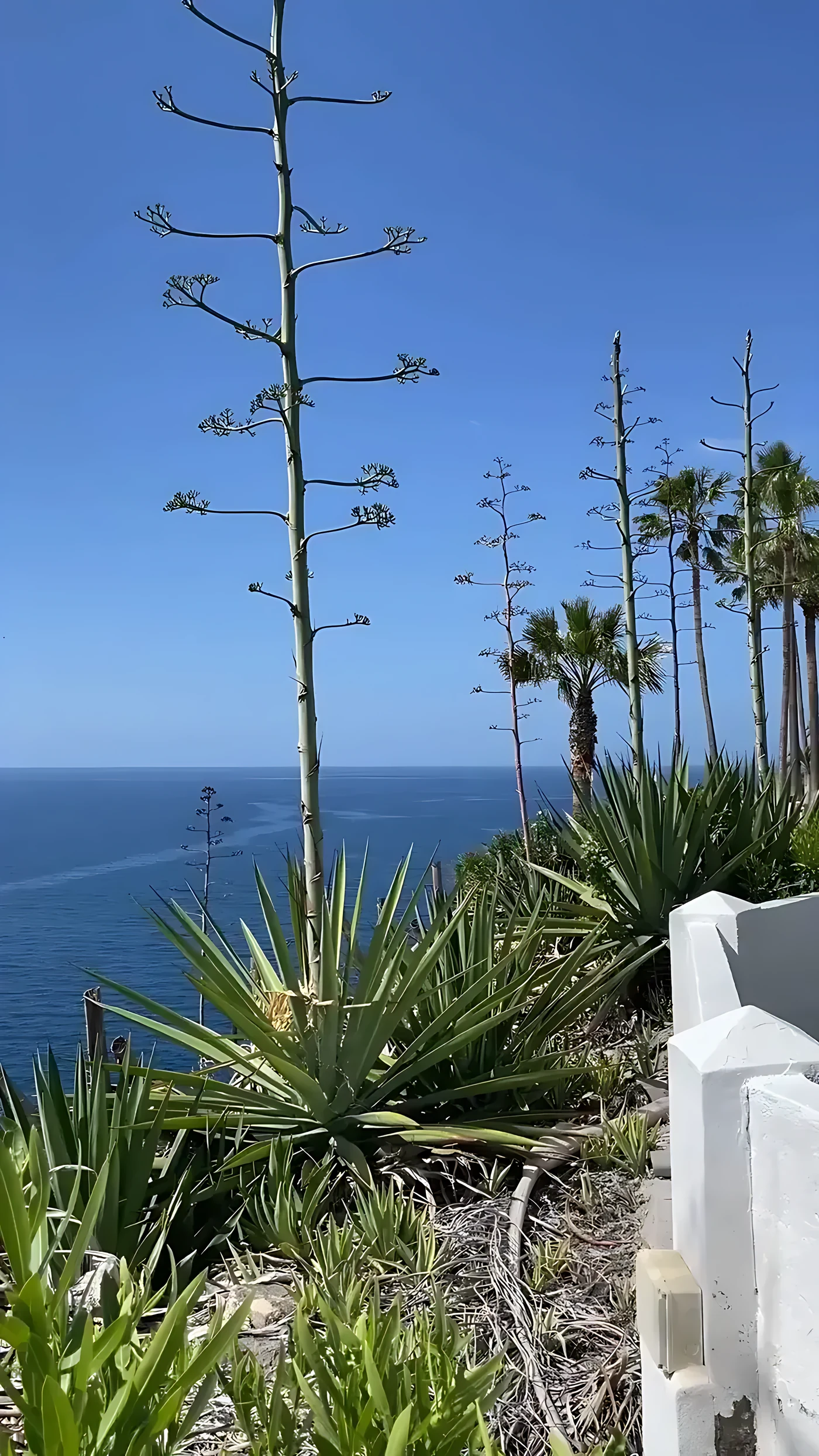
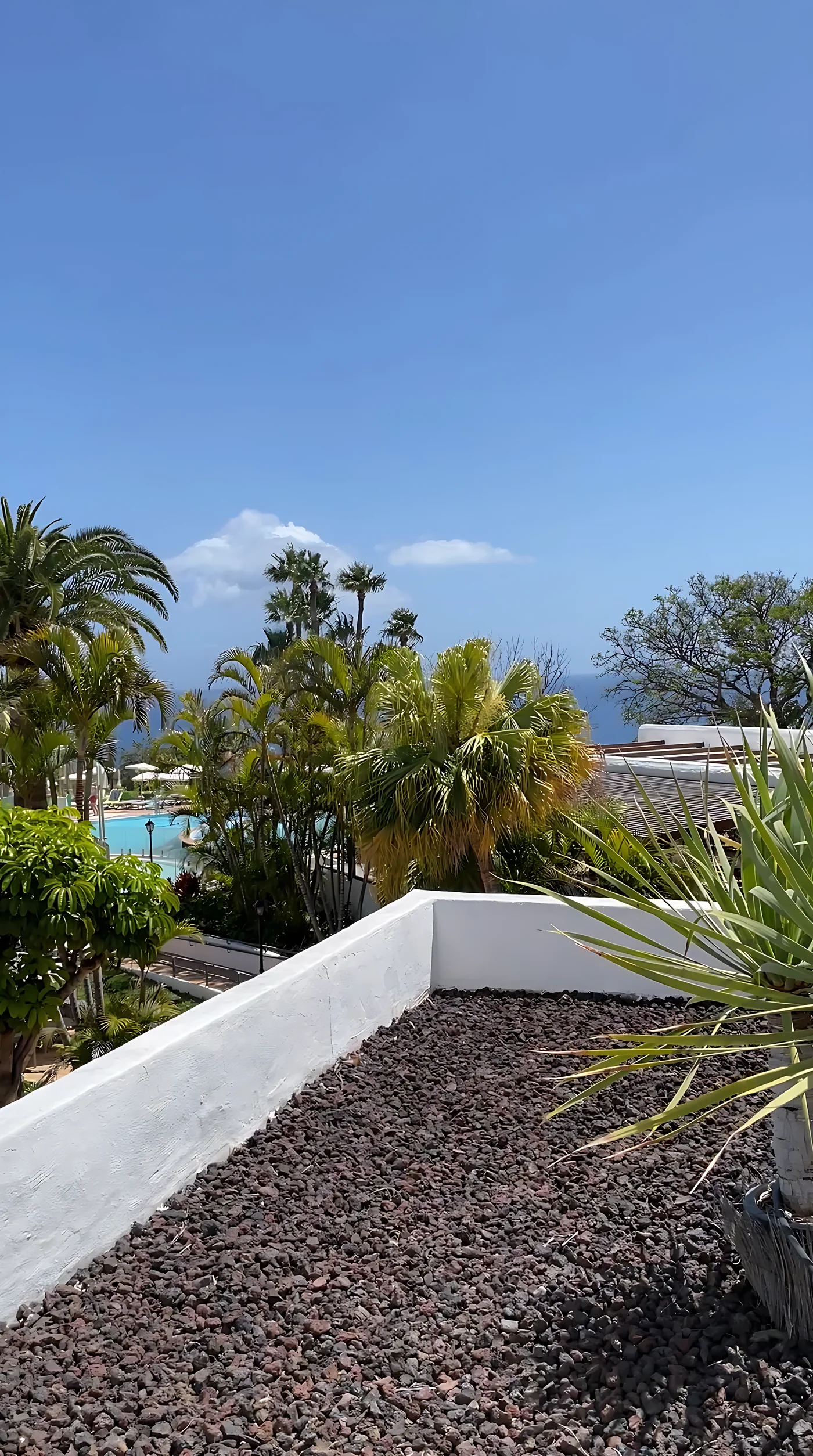
This side is dry. The trade winds come from the north-east, hit the high ground, and drop their rain on the other side, which is why the south is picon and agave and the centre is something almost unbelievable: Garajonay, a laurel forest that is, in part, a refuge for plant lineages that once grew far more widely across southern Europe, and now survive in a handful of Atlantic islands. It has been a national park since 1981 and a UNESCO World Heritage Site since 1986. Forty square kilometres of wet, mossy, prehistoric woodland, an hour’s drive above a coastline where the gardeners mulch with volcanic gravel to stop the soil drying out.
A fire in August 2012 burned around 741 hectares of it, roughly eighteen per cent. It is coming back.
The thing worth carrying home
Not the view. The view is easy, and you can get a version of it from a hundred coastlines.
What is harder to find, and what stays with you, is the evidence of patience. A wall built without mortar that has stood through a century of winter rain because whoever built it understood how water moves. A gravel mulch that is simply the ground, reused. A coffee project that starts by feeding the people who grow it. An island that worked out how to talk across a ravine rather than filling it in.
None of that was designed for visitors and none of it is on a sign. It is just what people here did, because they were paying attention to the place they were standing in, over a very long time.
What we actually know
- La Gomera is the eroded remnant of a volcano that ceased major activity roughly two million years ago. Its radiating barrancos are why travel across the island is slow.
- Bancales — dry-stone agricultural terraces — are the island’s defining agricultural structure, built without mortar so that water drains through rather than pushing the wall over.
- Picón, volcanic gravel, is used across the Canaries as a mulch to retain soil moisture and reduce evaporation.
- Garajonay National Park was declared in 1981 and inscribed as a UNESCO World Heritage Site in 1986. It covers about 40 square kilometres of laurisilva, a forest that the park’s own director describes as, in part, an exceptional refuge.
- A fire in August 2012 burned approximately 741 hectares of the park, around 18 per cent of it.
- The waters around La Gomera hold a resident population of pilot whales and are recognised as a European Whale Heritage Site by the World Cetacean Alliance.
- Silbo Gomero, the whistled language, is recognised by UNESCO and taught in the island’s schools.
The whole island is a UNESCO Biosphere Reserve. We could not confirm the year of designation from a primary source, so we have not printed one.
How this story was made. Photographed on a phone, on foot. Nothing here is sponsored and nothing was provided free. Park designations, the 2012 fire and the whale-heritage recognition come from the issuing bodies and the island’s own published material.
Independent and self-funded. Atlántis is not sponsored by design: not affiliated, not a paid placement, and nobody we write about knew in advance. Everything on this page was found, booked and paid for at our own cost. The views are our own, judged against the Atlántis values: sustainability, cultural immersion, eco travel, real experiences, family-friendliness, and car-free travel or the deep past, depending on the place.