The fish sauce was here first. Long before the cable car, the casino, the night market built to look like an Italian harbour town, there were wooden barrels in dark sheds on the edge of the sea, full of anchovies and salt, doing nothing for a year.
Phú Quốc is an island being rebuilt in real time for the rest of the world. The honest way to visit it is to know both of those facts at once, and to spend your money on the older one.
What the island officially is now
Some of what you read about Phú Quốc is already out of date. On 1 July 2025 Vietnam reorganised its provinces, and Kiên Giang was merged into An Giang. On the same day Phú Quốc stopped being a city and became a đặc khu — a special zone — combining the former wards of Dương Đông and An Thới with six communes. Guidebooks that say “Phú Quốc City, Kiên Giang” are describing an administrative arrangement that no longer exists.
The island is about 575 to 589 square kilometres, depending which official source you read, home to around 157,000 people, and lies some forty kilometres off Hà Tiên. It will host APEC in 2027. In 2025 it received more than eight million visitors, 1.8 million of them from abroad. In the first seven months of 2026 its airport handled 4.48 million passengers, up 38 per cent on the year before.
Those are not the numbers of a quiet island. Anyone who tells you Phú Quốc is undiscovered has not looked at them.
The fish sauce, and why the barrels are wood
Traditional Phú Quốc fish sauce is made from anchovies — cá cơm — and sea salt, packed roughly three to one and left to ferment for twelve to fifteen months in tall wooden vats made from bời lời, a native laurel. The liquid that drains from the bottom is the sauce. Nothing else goes in.
“Phú Quốc” was entered in the European Union’s register of protected designations of origin by a Commission regulation of 8 October 2012. You will often see 2013 quoted — that was the ceremony in Brussels, not the registration. Vietnam had protected the name at home since 2001, and in 2021 the craft itself was added to the national list of intangible cultural heritage. The producers’ association has around fifty members, and 21 businesses held the geographical indication certification by 2024.
Some of the fish sauce houses — nhà thùng — accept visitors. Go. Stand in the smell, which is less than you fear and more interesting than you expect, look at the size of the barrels, and buy a bottle directly from the people who made it. Of everything you can spend money on here, that is the purchase that keeps the oldest thing on the island alive.
An anchovy, a handful of salt and a year of patience. The island’s first export and still its most honest one.
What else is on the table
Bún kèn is rice noodles in a broth of minced sea fish and coconut milk, with raw vegetables and herbs; it is said to come from Khmer cooking around Hà Tiên across the water. Gỏi cá trích is a salad of raw herring fillets with onion, grated coconut and a sharp dressing, rolled at the table in rice paper with herbs. Rượu sim is a liqueur made from rose myrtle berries, sweet, dark and stronger than it tastes.
And pepper. Phú Quốc pepper is often described as having a protected status. It does not: it carries a collective trademark held by the island’s pepper association, granted in 2011, which is a different and weaker thing. The pepper area fell from over 520 hectares in 2016–17 to about 320 the following year as prices dropped and land went to tourism and property. Buy it from a farm if you can; the farms are fewer every year.
A word on pearls. Counterfeit “Phú Quốc pearls” have been reported in the Vietnamese press since at least 2014, with a gemmologist warning again in 2022 that fakes are widely sold at tourist sites. We are not saying every pearl shop is dishonest — nobody has audited them — only that this is the one souvenir where you should ask hard questions before you pay.
The shrine on the rocks
At the mouth of the Dương Đông river, on a rocky outcrop, stands Dinh Cậu. The name means the Shrine of the Young Lords, but the main altar honours a woman — Chúa Ngọc Nương Nương, a goddess of the sea — with her two sons, Cậu Tài and Cậu Quý, beside her. Fishermen pray here before going out. The present shrine was rebuilt in 1937, restored in 1997, and recognised as a provincial relic in 2012. Its festival falls on the fifteenth and sixteenth days of the tenth lunar month.
It is also where half the island goes to watch the sun set. Go for the sunset if you like, but go once in the morning too, when it is a working shrine and not a viewpoint.
The part of the history that is hard
On the south of the island is the site of Phú Quốc Prison, sometimes called the Coconut Tree Prison. The French built a camp here in the early 1950s; during the war it held captured soldiers and political prisoners, and Vietnamese heritage authorities give its main period of operation as June 1967 to March 1973. Their figures are that more than 40,000 people passed through it and around 4,000 died; other Vietnamese sources give different numbers, and we found no independent count. In December 2014 it was designated a special national relic.
We are not going to tell you to take your children there or not to. It is a museum of real suffering, presented from one side of a war, on an island now marketed as a playground. If you go, go knowing that, and talk to your children about it before rather than after.
What is being lost, on the record
The national park was established in 2001, covering about 31,400 hectares of the island’s forested north and east, and a separate marine protected area followed in 2007. The whole island lies within the Kiên Giang Biosphere Reserve, designated by UNESCO in 2006. On paper, Phú Quốc is one of the best-protected places in the country.
The record on the ground is harder to read. A peer-reviewed study found the island lost about 650 hectares of seagrass between 2005 and 2018, most of it at Bãi Vòng, and attributed the loss to tourism and infrastructure. Another study, in 2022, was titled with unusual bluntness: the marine protected areas “ineffectively protect seagrass and coral reef fish communities”. Dugongs were historically present; there is no current population count, and we are not going to invent one.
On land, the provincial inspectorate reported in August 2026 more than 315 cases and over 260 hectares of forest land encroached, with 68 households building on protected forest. In December 2025 the provincial environment department said the island produced more than 160 tonnes of waste a day, around 37 of them from tourists, with no permanent treatment plant; a new one is meant to be ready before APEC. An earlier plant stopped its trial run in 2023 because of the smell.
None of this is a reason not to go. It is a reason to go carefully — to take your rubbish back with you, refuse plastic where you can, and spend where the money stays on the island.
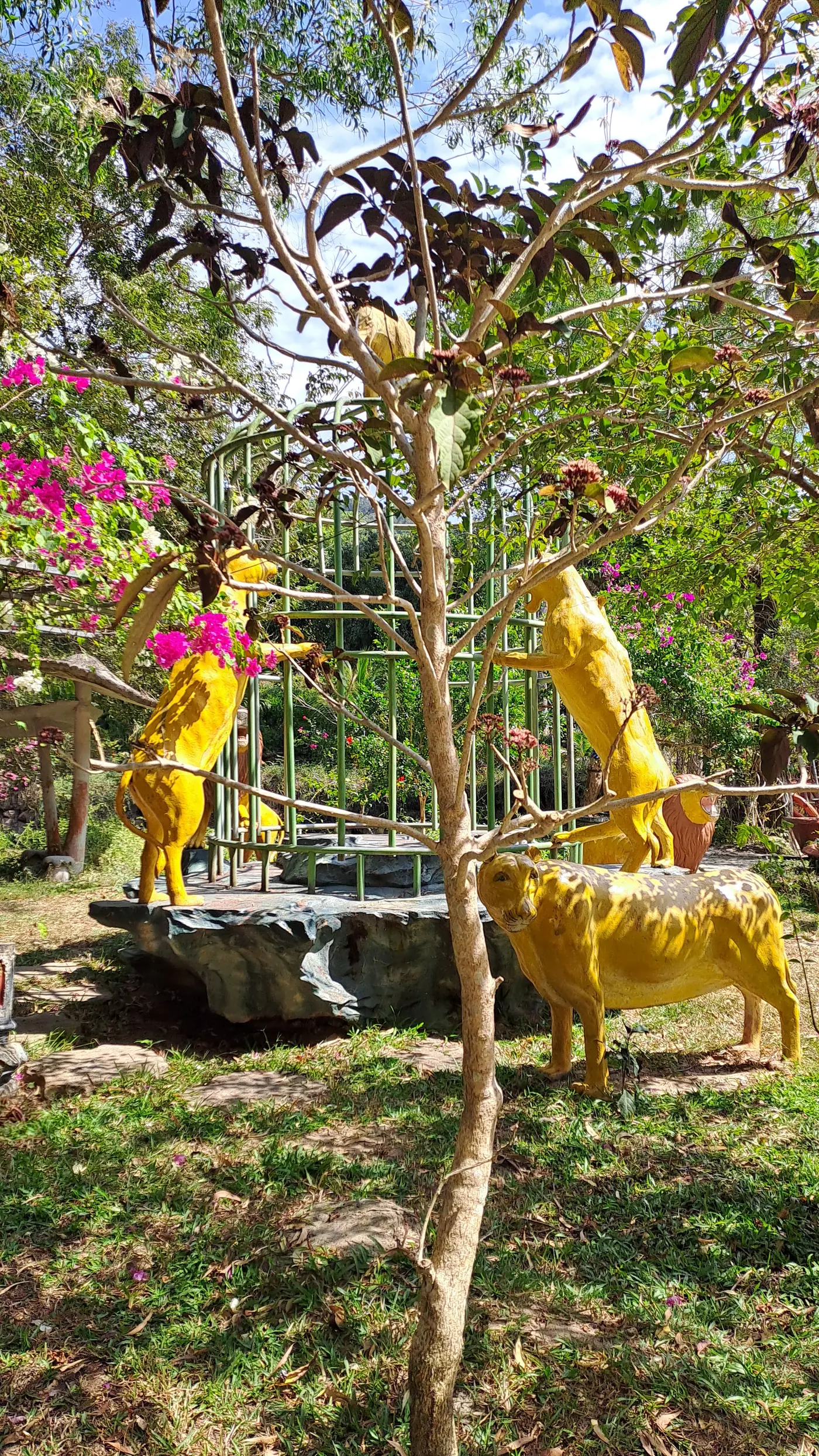
The cable car, measured properly
The cable car from the south of the island to Hòn Thơm is 7,899.9 metres long and holds a Guinness World Record — for the longest non-stop three-rope cable car, which is narrower than “the longest cable car in the world” you will see on the posters. It opened in 2018. The view of the An Thới islands from it is genuinely worth the ride. What waits at the other end is a theme park. Decide in advance which of the two you are going for.
What we actually know
- Kiên Giang merged into An Giang on 1 July 2025 (Resolution 202/2025/QH15). Phú Quốc became a special zone (đặc khu) from the same date (Resolution 1654/NQ-UBTVQH15, 16 June 2025).
- Area reported as over 575 km² (Thanh Niên) or over 589 km² (visitphuquoc, Lao Động); population about 157,600 (2025); about 40 km west of Hà Tiên.
- APEC 2027 to be hosted on Phú Quốc (Government of Viet Nam). More than 8.1 million visitors in 2025, 1.8 million international (An Giang tourism department, via Tuổi Trẻ). Airport: over 4.48 million passengers in the first seven months of 2026, up about 38 per cent (Civil Aviation Authority of Vietnam).
- Fish sauce: anchovies and salt at about 3:1, fermented 12–15 months in bời lời wood barrels. “Phú Quốc” registered as an EU PDO by Commission Implementing Regulation (EU) No 928/2012 of 8 October 2012; certificate presented in Brussels in 2013. Domestic appellation since 2001; the craft listed as national intangible heritage by Decision 1730/QĐ-BVHTTDL, 27 May 2021. About 50 association members; 21 businesses certified by 2024 (Nhân Dân).
- Pepper: collective trademark held by the Phú Quốc Pepper Association, granted 2011; no geographical indication found. Area over 520 ha in 2016–17, about 320 ha in 2018.
- Counterfeit pearl warnings: Thanh Niên (2014); Sức Khỏe & Đời Sống (2022). No systematic audit of pearl shops found.
- Dinh Cậu: main altar to Chúa Ngọc Nương Nương with Cậu Tài and Cậu Quý; rebuilt 1937, restored 1997, provincial relic 2012; festival on the 15th–16th of the 10th lunar month (Thanh Niên; VietnamPlus).
- Phú Quốc Prison: operating June 1967–March 1973; more than 40,000 prisoners and about 4,000 deaths according to Vietnamese heritage authorities, not independently verified; special national relic by Decision 2408/QĐ-TTg, 31 December 2014.
- Phú Quốc National Park established 8 June 2001, about 31,422 ha (Decision 91/2001/QĐ-TTg). Marine protected area 2007. Kiên Giang Biosphere Reserve designated by UNESCO in 2006, including Phú Quốc.
- Seagrass loss of 652 ha (6.1 per cent) between 2005 and 2018, mostly at Bãi Vòng (Vietnam Journal of Marine Science and Technology). 2022 study: “Marine protected areas ineffectively protect seagrass and coral reef fish communities in the Phu Quoc and An Thoi archipelago” (Aquatic Conservation). No current dugong population estimate exists.
- Forest-land encroachment: over 315 cases and over 260 ha, 68 households on protected forest (An Giang Provincial Inspectorate, 21 August 2026, via Dân Trí). Waste: over 160 tonnes a day, about 37 from tourists, no permanent treatment plant (An Giang environment department, December 2025, via Dân Trí); Bãi Bổn plant trial halted in 2023 over odour.
- Hòn Thơm cable car: 7,899.9 m, Guinness World Record for longest non-stop three-rope cable car, 3 January 2018; opened to the public February 2018.
- Visa exemption of up to 30 days for foreigners entering Phú Quốc (Ministry of Foreign Affairs of Viet Nam). Dry season roughly December to March; rain peaks around August.
Every photograph and clip on this page was taken on Phú Quốc in January 2026; where we cannot name the exact spot, we say so. Fish sauce houses that accept visitors change; ring ahead. Visa conditions are set by Vietnamese immigration and should be checked before travel rather than taken from this page.
This story is not sponsored, not affiliated and not a paid placement. Every stay, meal and journey was found, booked and paid for at our own cost, and nobody we mention knew we were writing. The impressions of people are ours — what we saw, in the places we were, in a few weeks — and not a claim about a nation of a hundred million. Every fact is attributed to a source you can check. We write only about places that meet the criteria this site was built on: mindful travel, family-friendliness, real sustainability practice, places with a soul, immersive cultural travel, a connection to nature, and experiences worth the journey.