The lens
Every place here was found, paid for and walked.
No press trips, no hosted stays, nothing gifted. Every guesthouse, workshop and museum on this site was found the ordinary way, booked at full price, and visited without the business knowing anyone was coming. What gets written afterwards owes nobody anything.
The selection is deliberately narrow. A place earns a page if it is run by the people who live there, if it can be reached without a car, if the culture around it is still being practised rather than performed, and if a family would be welcome in it. Most places do not clear all four. The ones that do set a pace worth keeping: one street, done properly, instead of six sights in a day.
Occasionally a place fails one of those tests and still earns its page. When that happens the story says so in the opening paragraphs, names the test it failed, and makes the case. It is never left for the reader to discover.
No car, on purpose
Ferries, buses, trains and walking. It is slower, cheaper, far lower in carbon, and it puts you next to people instead of past them.
Solving it in real time
The bus that does not run on Sundays. The last climb with the luggage. What went wrong and how it was fixed is part of the story, not edited out of it.
The people who helped
The driver who waited, the host who found a cot, the shopkeeper who drew a map. Travelling without a car means depending on strangers, and they turn out to be the story.
Places with a working life
Not resorts and not queues. Towns where people live year-round, artisans still make things, and the history is under your feet rather than behind glass.
The constraint is the point. Without a car you have to ask people for help, and asking people for help is how you meet them.
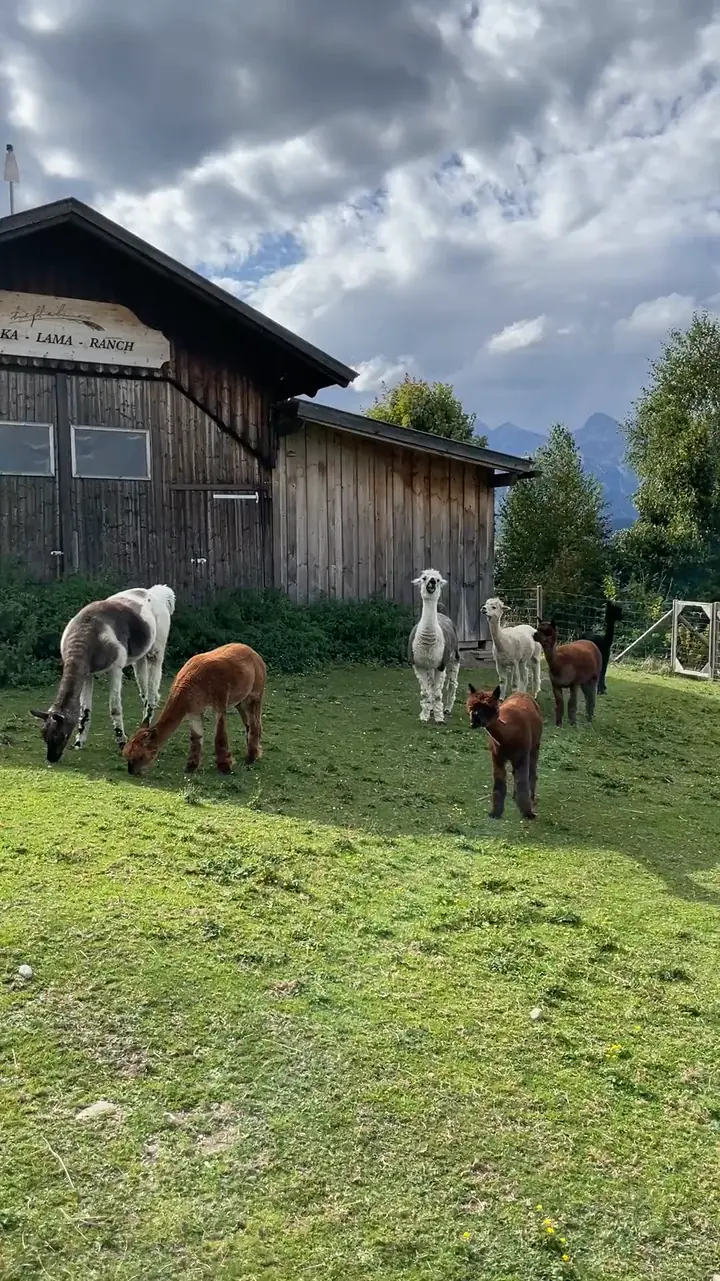
Places with a working life that outlasts the season.
Why now
More connected than ever. Less changed by it.
The whole world arrives through a screen. Any place, any culture, any history, in seconds. Information has never been easier to reach, and real experience has never been easier to skip. Atlántis exists because it is the second one that changes people.
A conversation in a kitchen you were invited into. A walk that took four hours and was worth every one. A craft explained by the person who still practises it. None of that arrives through a feed, and none of it can be summarised.
You do not have to go far. The adventure is carried, not found, and it unpacks just as well an hour from home.
What this kind of travel gives back
Go looking for a place. Come back with something else.
You meet yourself
Alone in an unfamiliar place with a child depending on you, you find out quickly what you are capable of. There was no way to learn that at home.
Your inner child, returned
Running down a dune, wading out too far, being properly impressed by something. It comes back faster than you expect, and travelling with children makes it easier.
Real human connection
When you need help you have to speak to people, and people are almost always better than you feared. That is the part that stays with you.
The planet becomes personal
A coastline nobody has built on, a forest still standing. Harder to treat the world as scenery once you have stood in it on foot.
A child who travels well
Children raised on buses, ferries and strangers' kindness grow up assuming the world is navigable. That is worth more than any resort.
Two ways in
One world, told in two voices.
The Living World
The people who make a place
Artisans, growers, small local brands, the family guesthouse at the end of the bus route. Films and field notes on the culture, nature and daily life that guidebooks pass over.
See the journeysThe Deep Past
The history beneath the ground
Forgotten sites, contested findings, the civilisations that came before the famous ones. Wonder, kept honest by the evidence.
Read a mysteryThe journeys
Places worth the walk.
Filmed and written first-hand, classified for families, adventure, season and how to reach them without a car. None of them is sponsored.
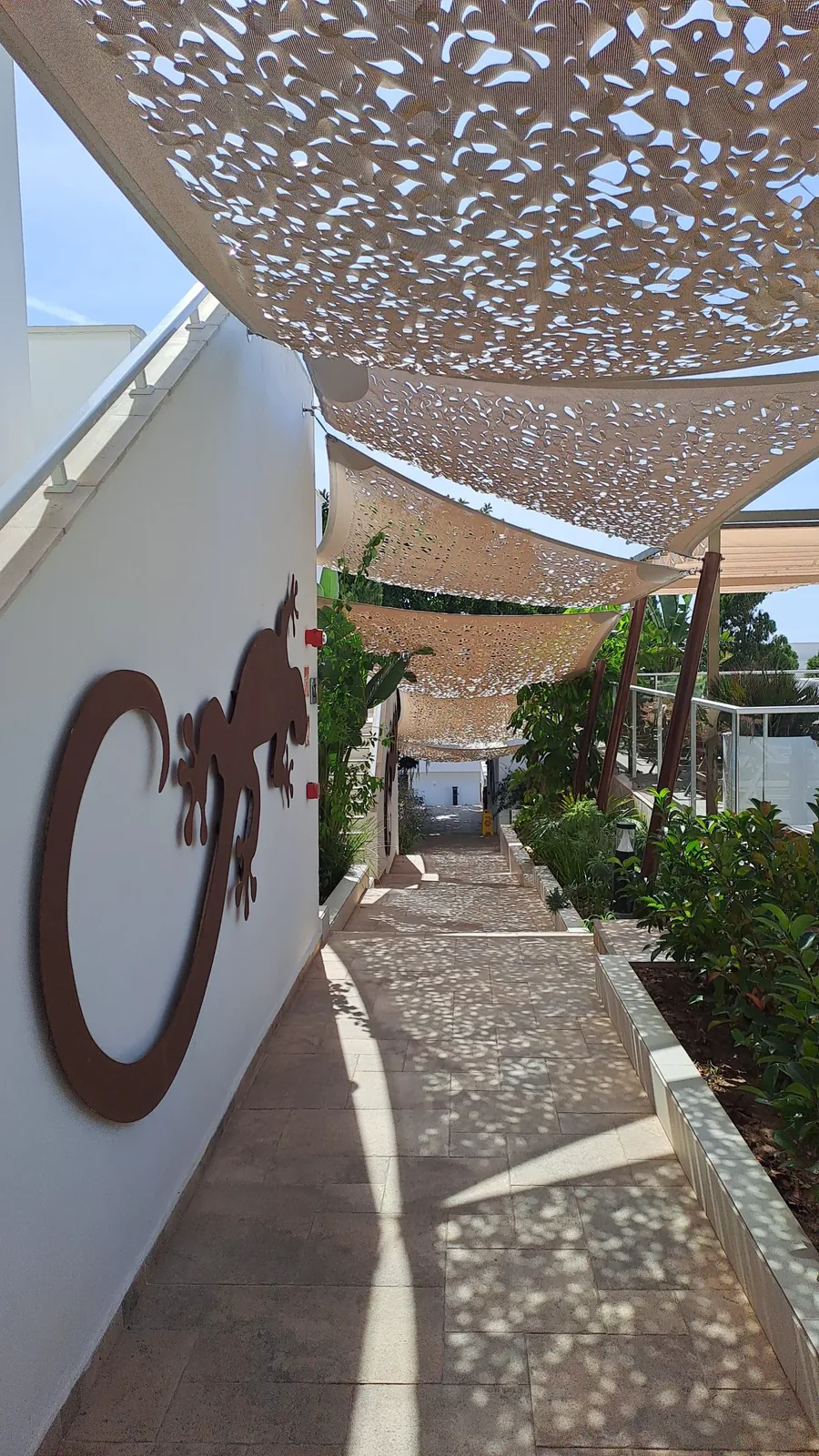
Platja de Migjorn, Formentera
A lizard on the wall, and the island all around it
The island’s own lizard on the wall, kilometre-zero cooking, people who are good at what they do, and the dunes and seagrass of the wild end of Migjorn.
Read the journey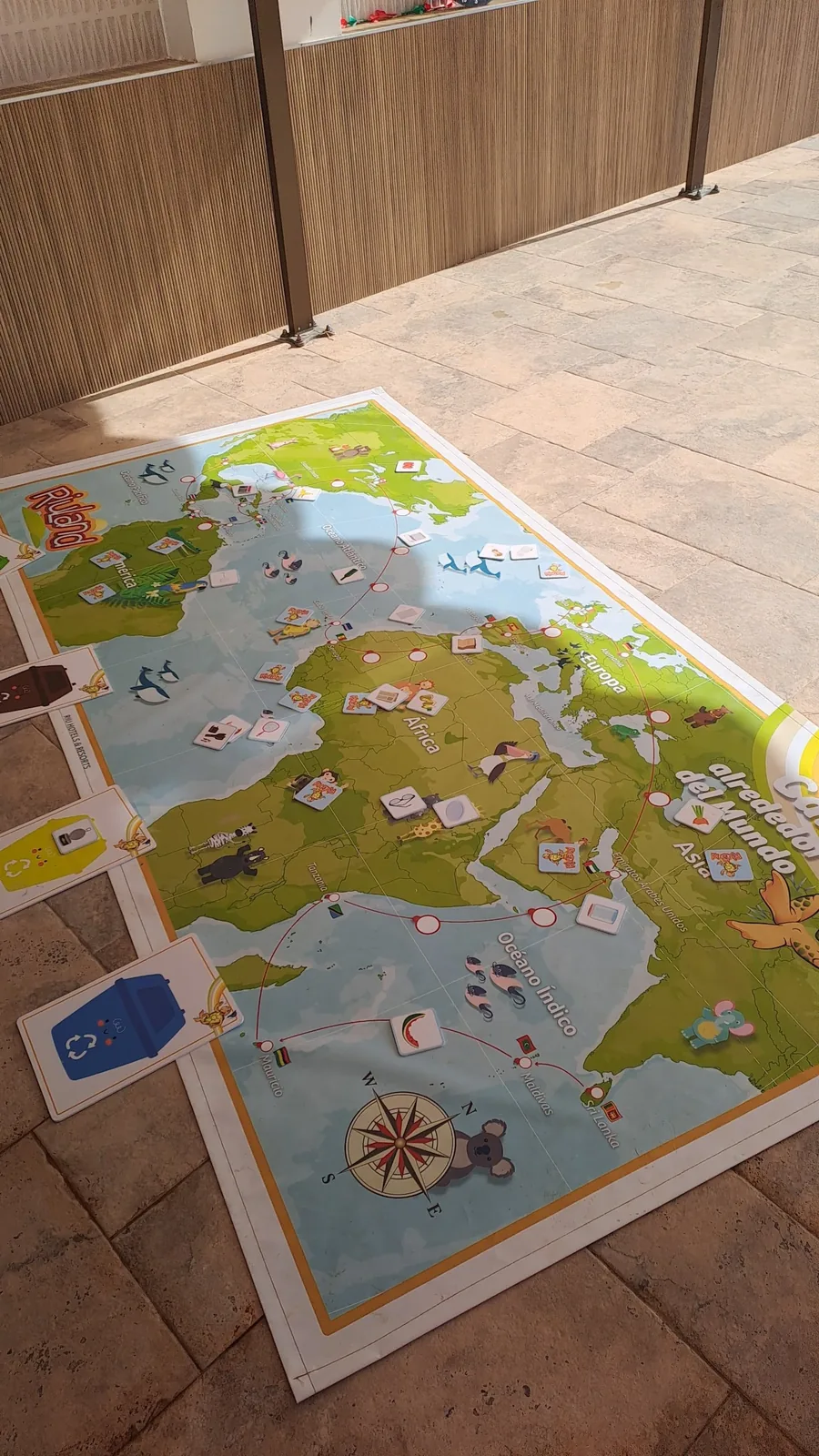
Platja de Migjorn, Formentera
A map of the world on the floor of the kids’ club
An included kids’ club where recycling is part of a journey around the world, and an island outside that teaches the same lesson.
Read the journey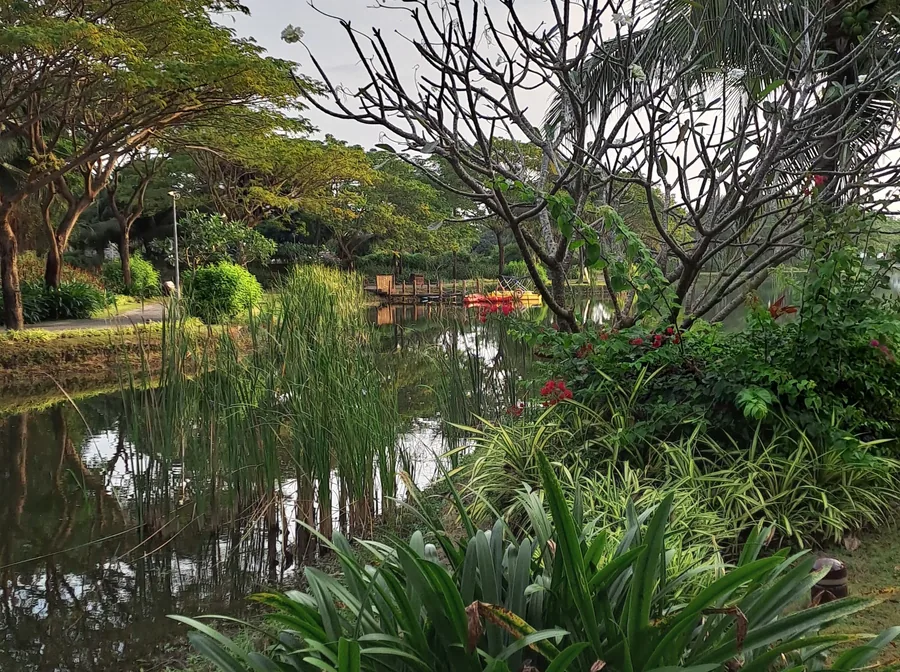
Hồ Tràm and Phú Quốc
I came home with three new habits
A slow cup every morning, phở in winter and summer, and a playlist from Mekong chamber music to V-pop. What Vietnam changed, and what is true about each.
Read the journey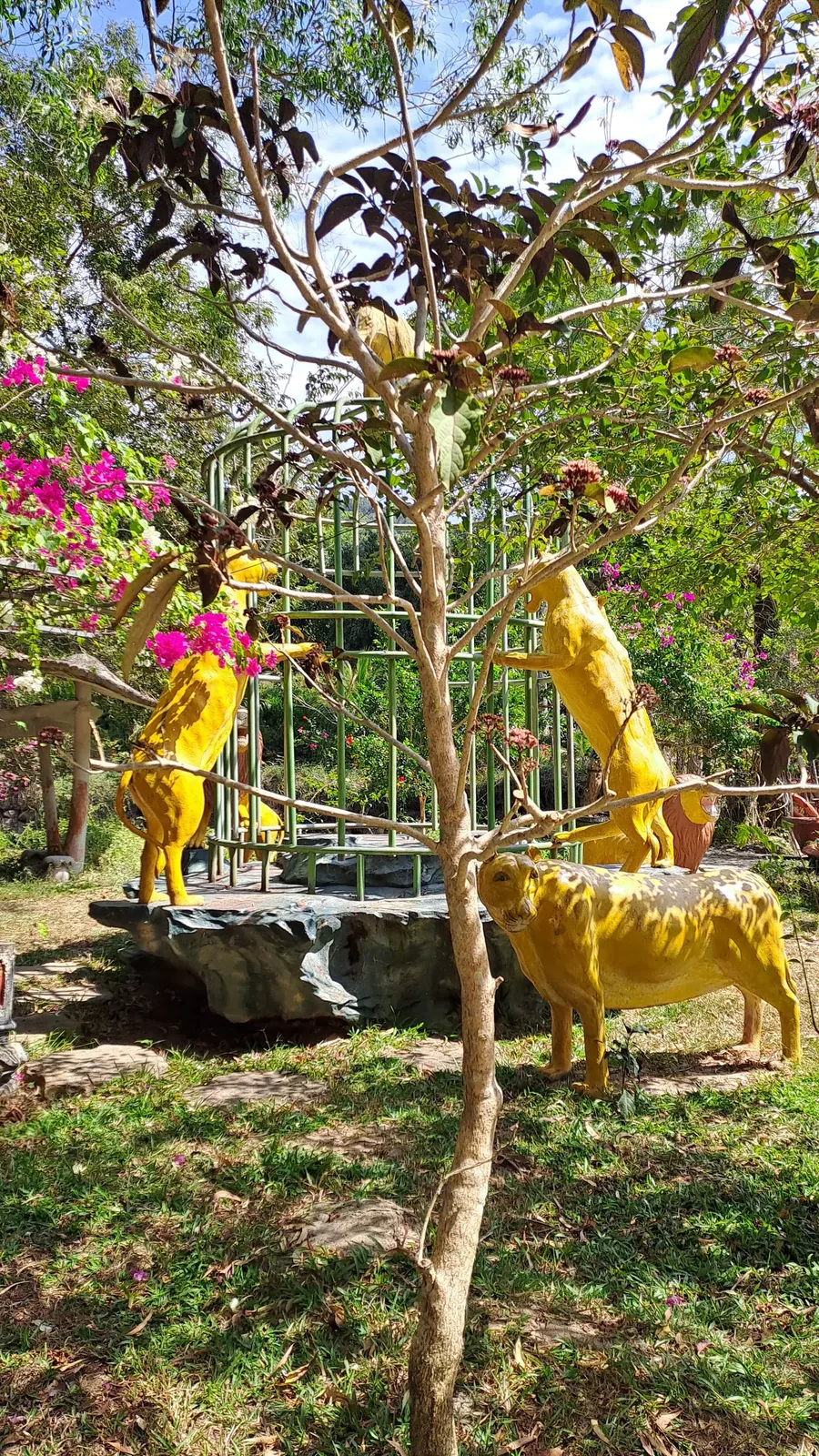
Phú Quốc, Vietnam
The fish sauce was here before the cable car
EU-protected fish sauce aged in wooden barrels, a sea goddess on the rocks, a prison that is now a national relic, and the record on what the new island is costing the old one.
Read the journey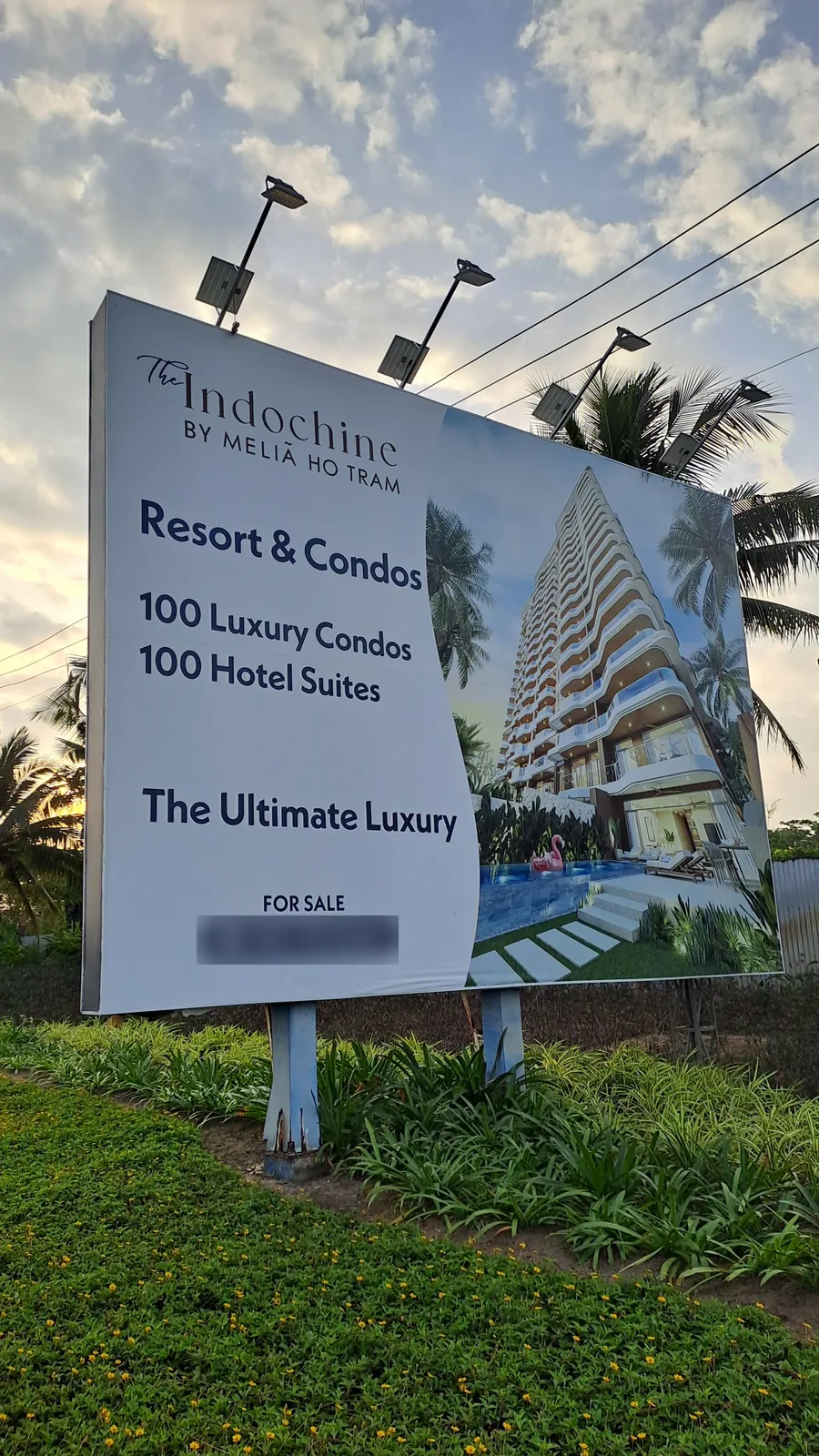
Hồ Tràm, Vietnam
Condominiums for sale on one side of the road. Starfish on the other.
The coast is now part of Ho Chi Minh City and the casino is open to Vietnamese citizens. The tide, the forest and the whale shrines are still there.
Read the journey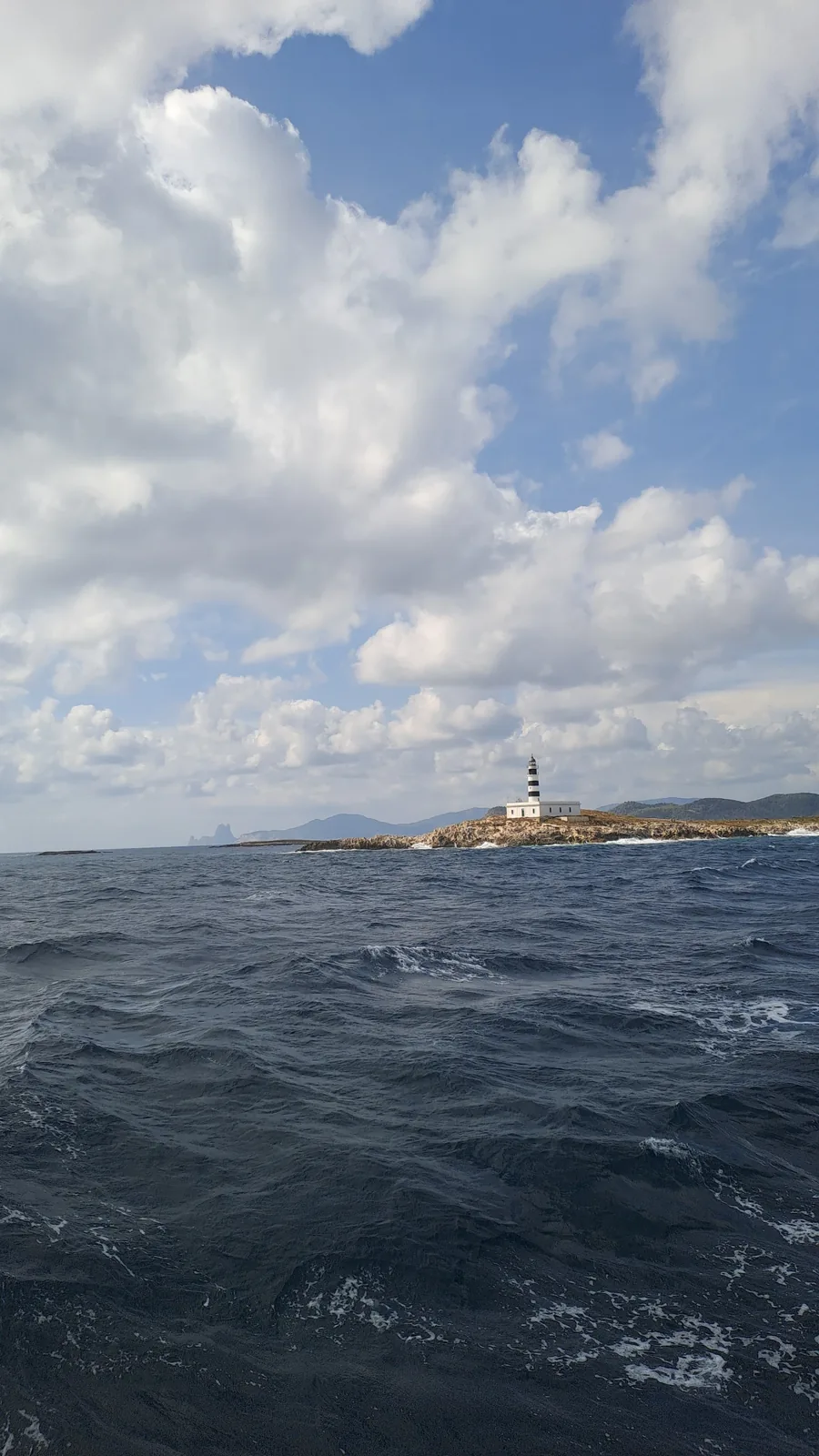
Eivissa to La Savina
There is no airport. Everybody arrives the same way.
No airport, a channel of seagrass and a lighthouse on a bare rock. How to cross with small children, and why the island is quieter but not undiscovered.
Read the journey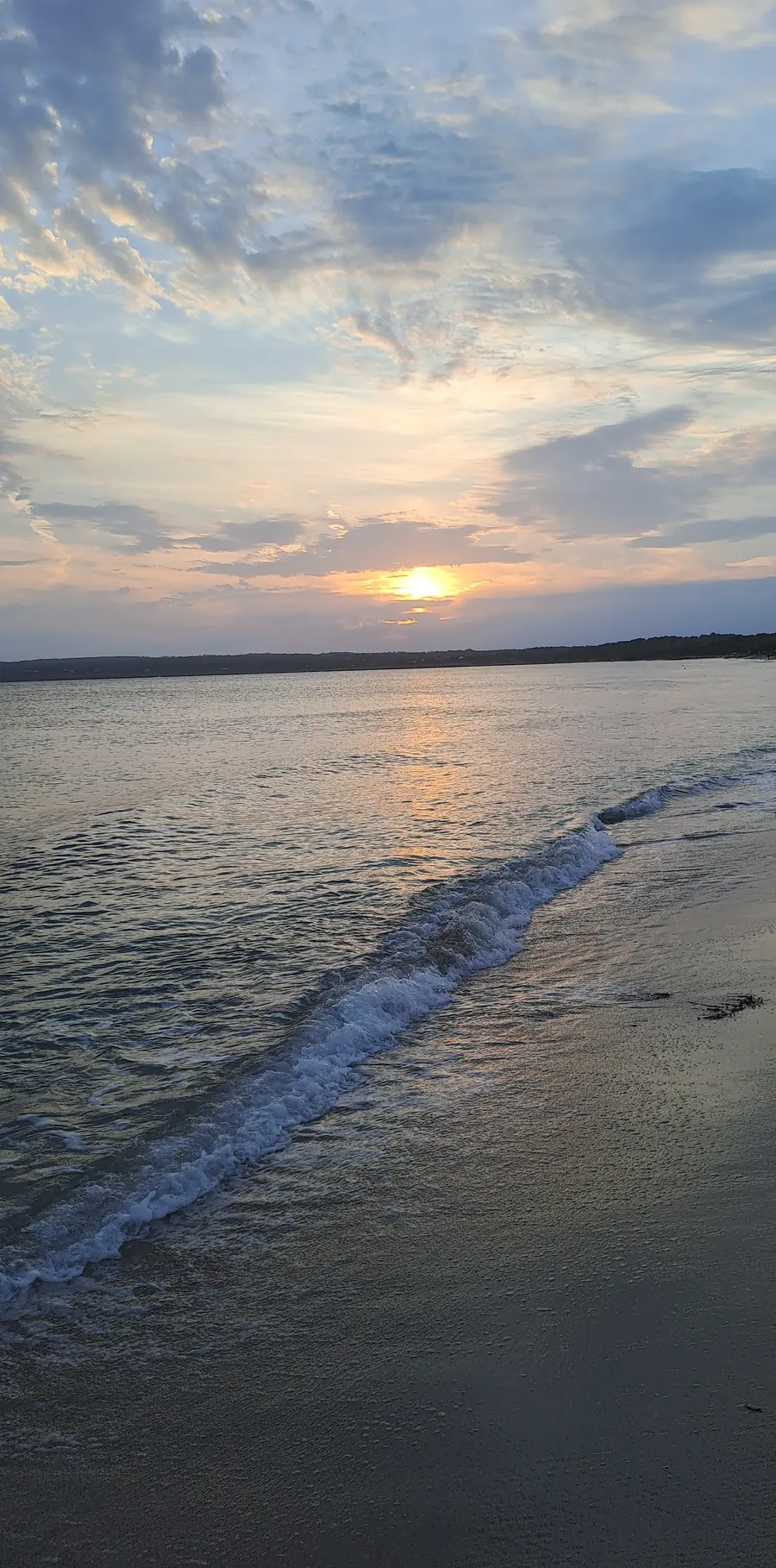
Platja de Migjorn, Formentera
Every glass of water on this island is made on this beach
Water made clear by a plant, every glass of drinking water made on this beach, and a hotel owned by the family that also runs the ferry.
Read the journey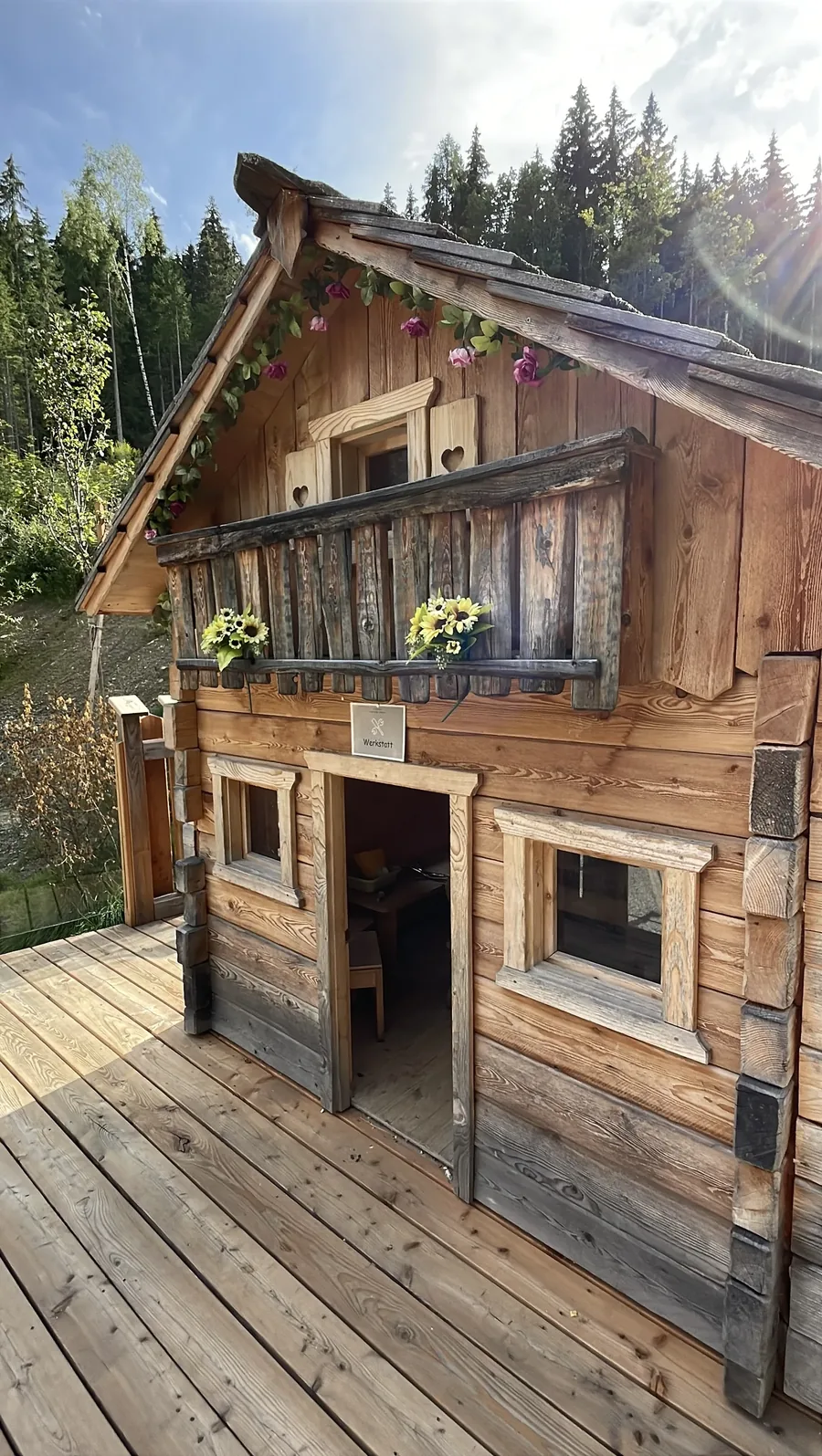
Gumpenberg, Styria
There is a village for children in the woods
Timber houses in the woods, alpacas against the limestone, cows in the meadow, and a working farm where children see where food comes from.
Read the journey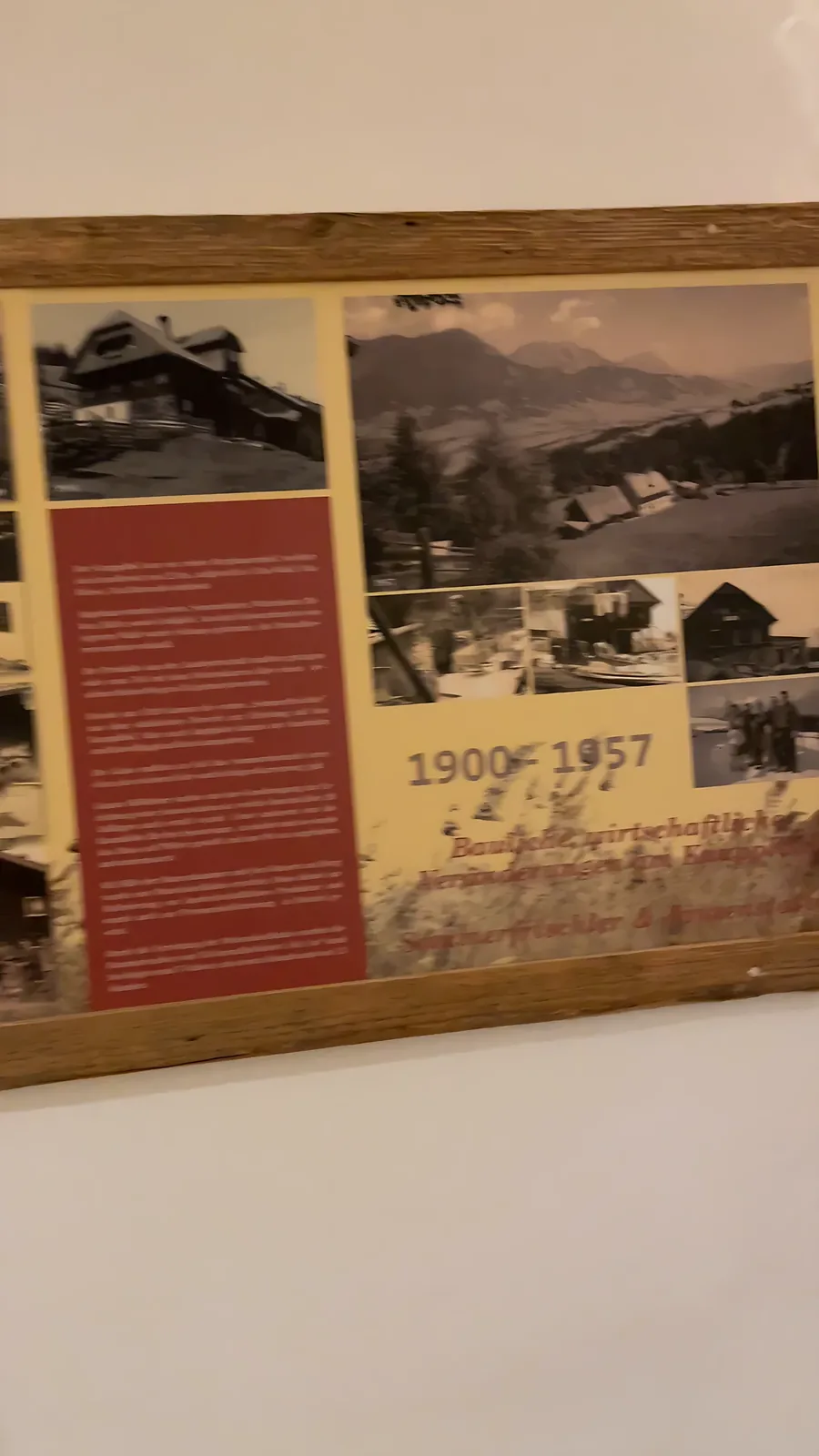
Gumpenberg, Styria
Seven generations on one hillside above the Ennstal
The valley through a shuttle window, a farmhouse of 1729, and a family history since 1810 kept on a corridor wall.
Read the journey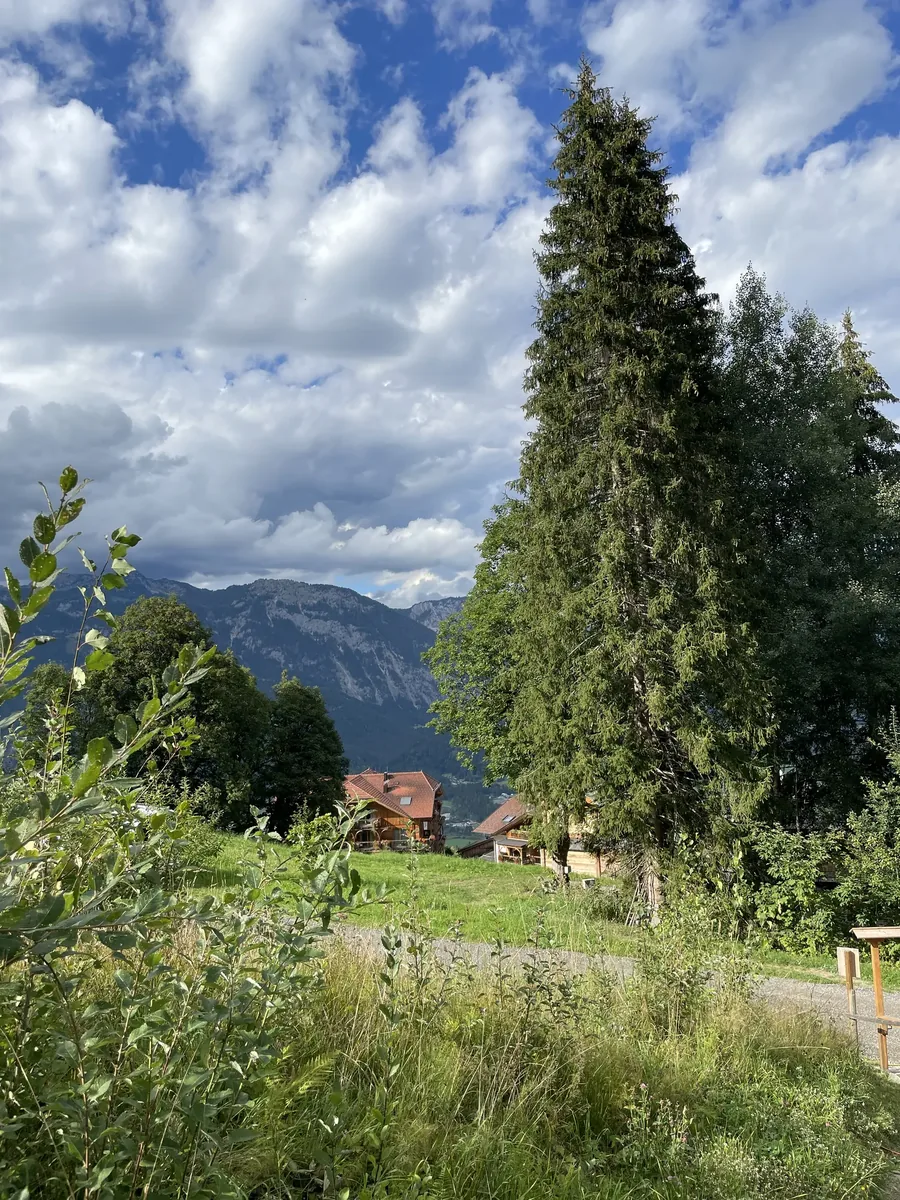
Gumpenberg, Styria
The greenest part of this stay is how you get there
A meadow protected by law, an eco label anyone can look up, and the one choice that matters more than either: how you get there.
Read the journey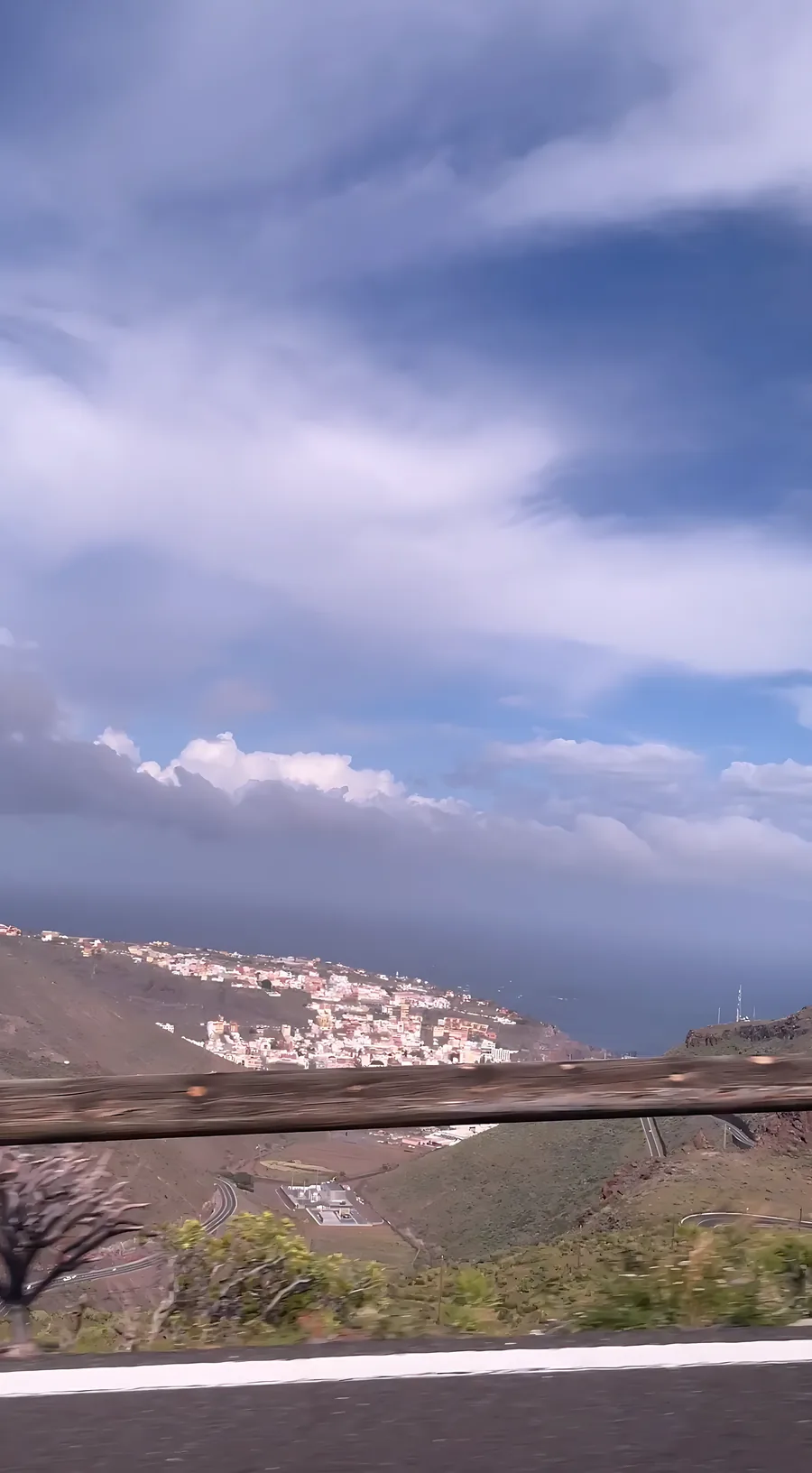
San Sebastián to Playa de Santiago
You arrive by sea, and then the island makes you climb
A ferry, a taxi and a mountain road. A pass with a killing from 1488 in its folk-name, a memorial under Agando, and a hotel room where the two sides of that killing now share a Monday night.
Read the journey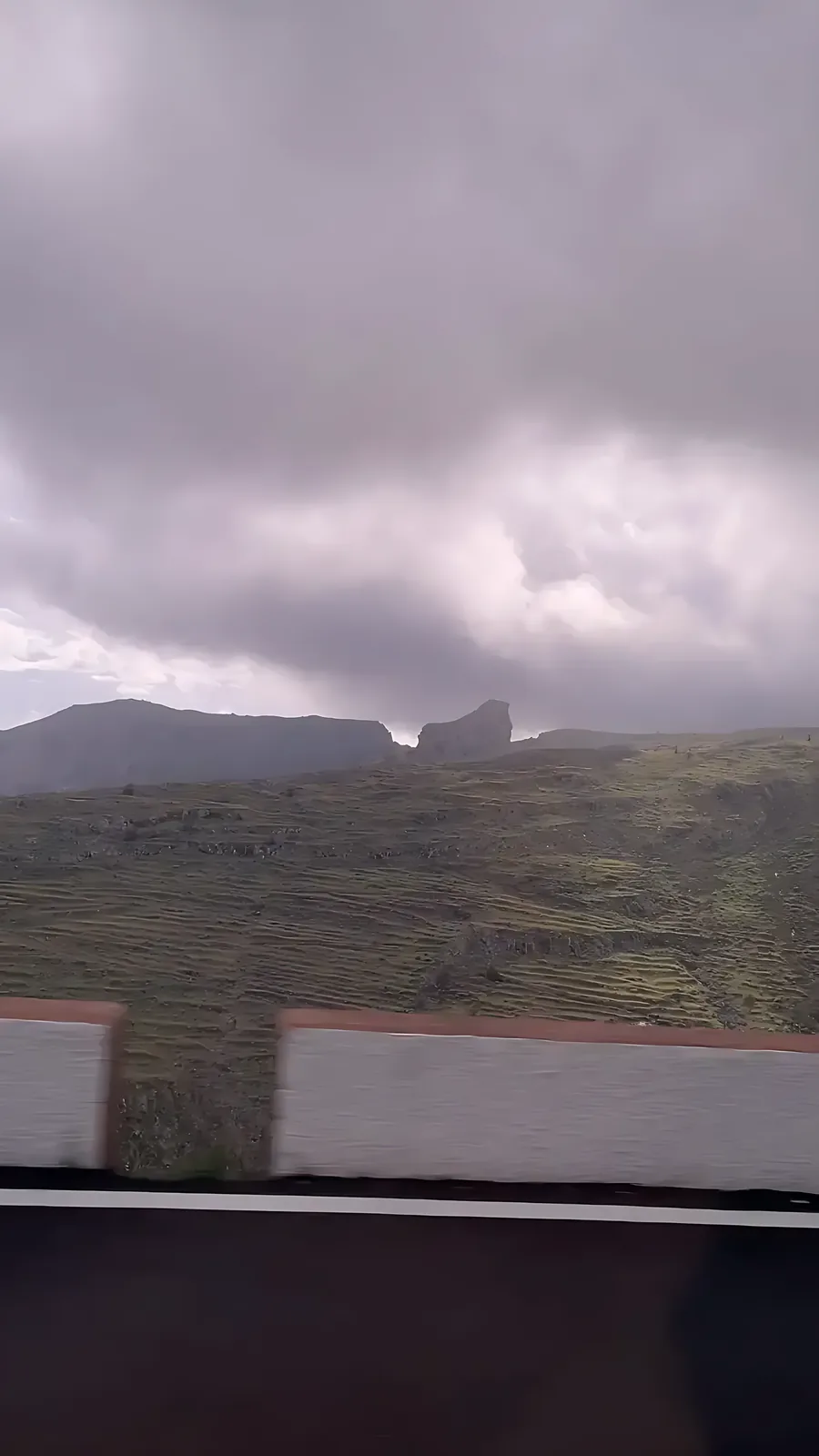
The high interior, La Gomera
The island went quiet two million years ago. Nobody can tell you why
Needles of old lava, sheep on red rock in the fog, a forest that makes its own rain, altars a priest was still writing about in 1774, and a love story younger than it looks.
Read the journey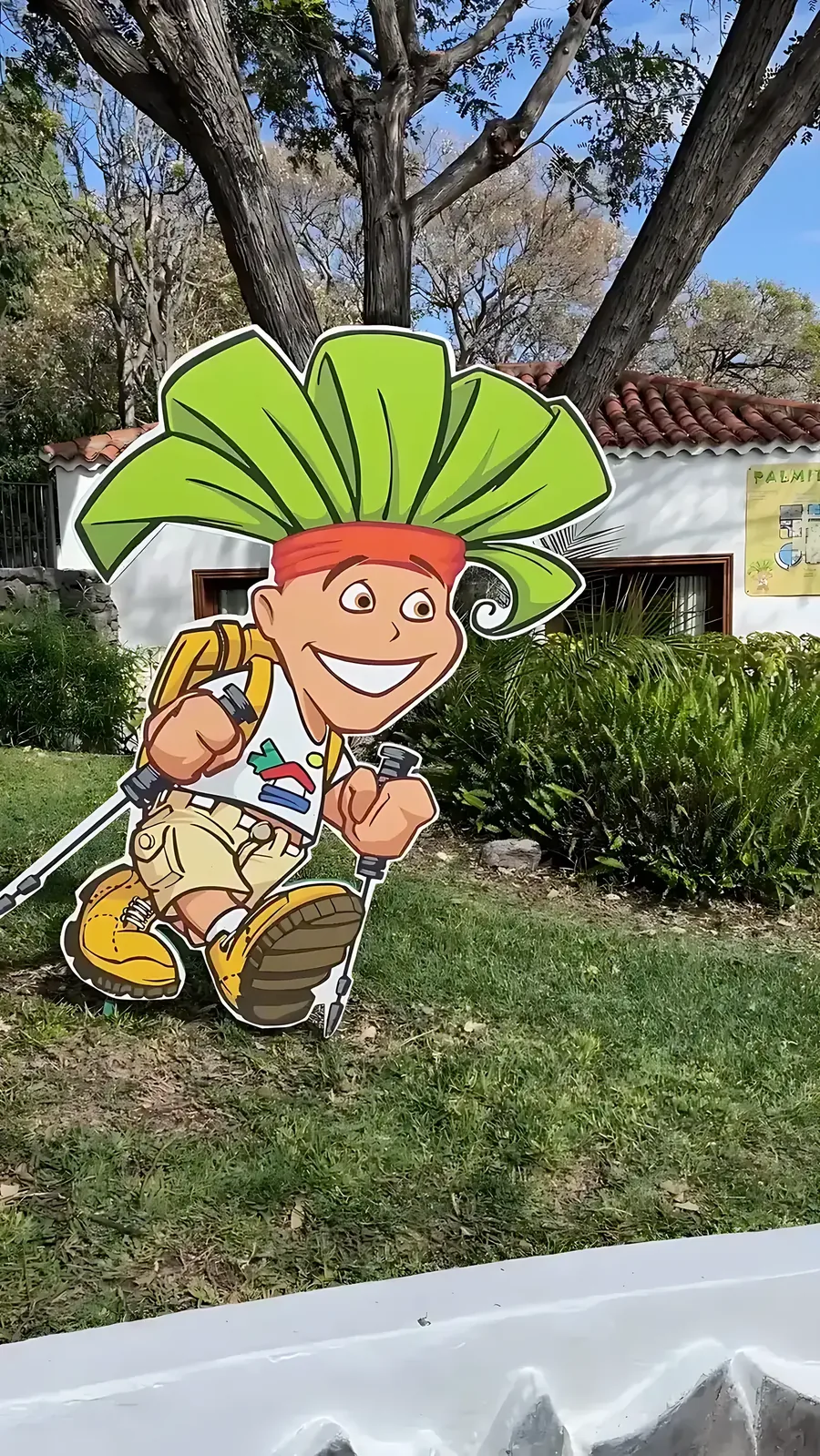
Playa de Santiago, La Gomera
They kept the cow because the farm was closing
A children’s club on a cliff, a banana walk with a guide called Jürgen, a farm worked by hand where a man called Pedro bottle-fed a lamb, and a whistled language on Wednesday night.
Read the journey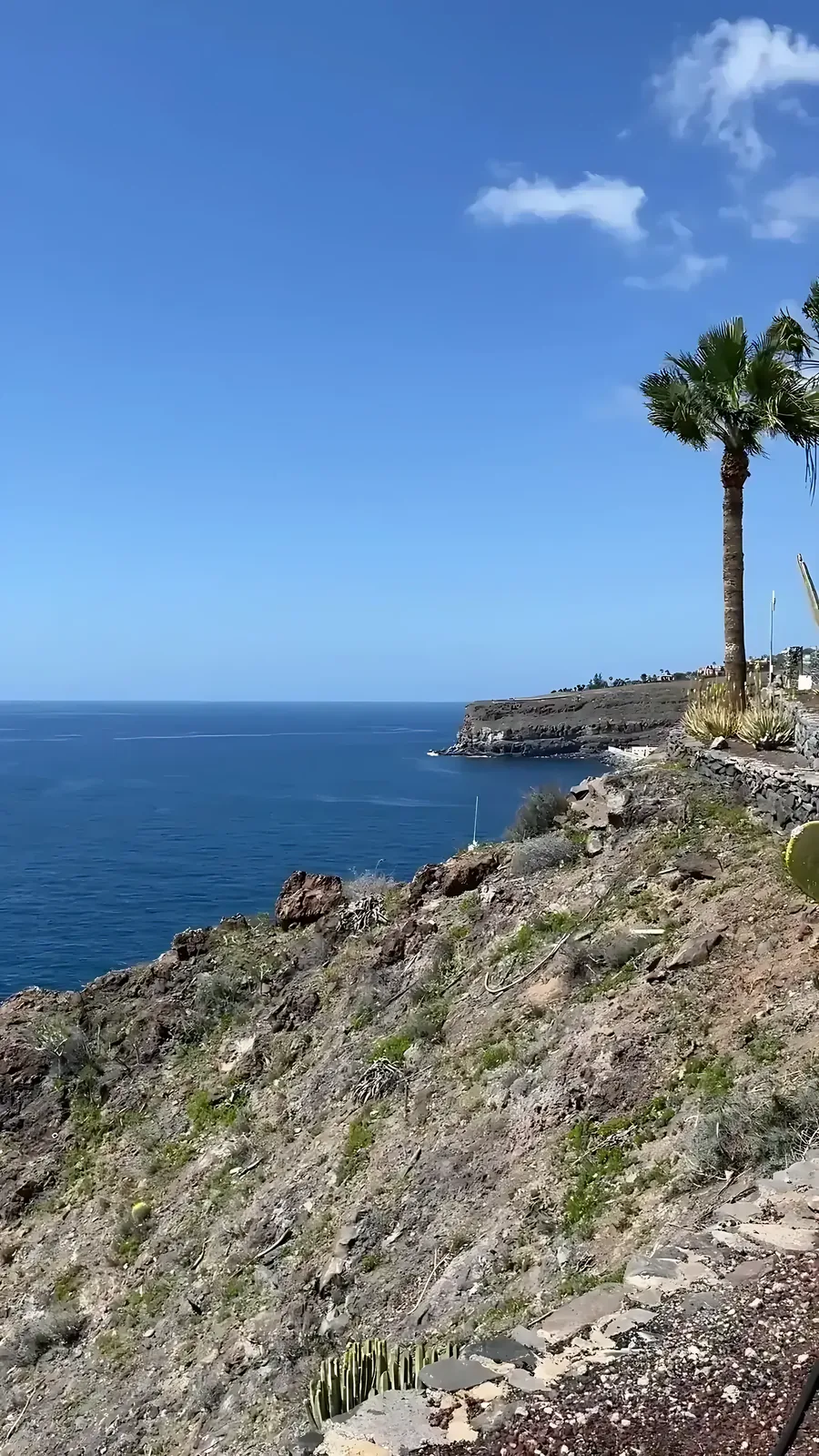
El Lomo del Clavo, La Gomera
Seven in ten of the people who work here are from the island. The owners are not.
A hotel built onto a concrete ruin the village called the monstrosity, an ownership story that does not hold up, and the palm tappers, millers and cheesemakers who actually keep this island going.
Read the journey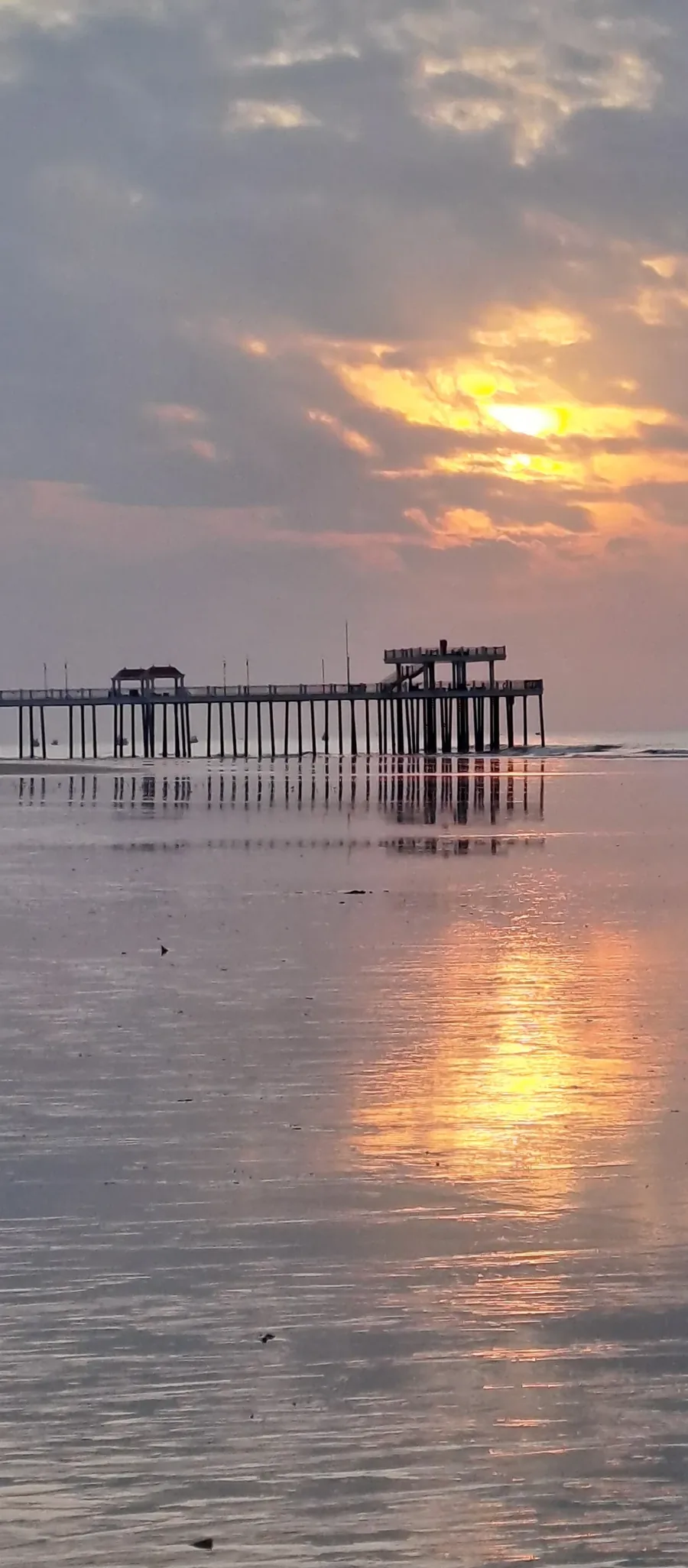
Hanoi, Saigon, Huế and the coast
Four families, four recipes, and nobody to leave them to
Egg coffee invented when the milk ran out. A charcoal stove going since 1938. A hundred-year roast with salt and rice liquor in it. Every one of them is a named person, and every one is a conversation away from stopping.
Read the journey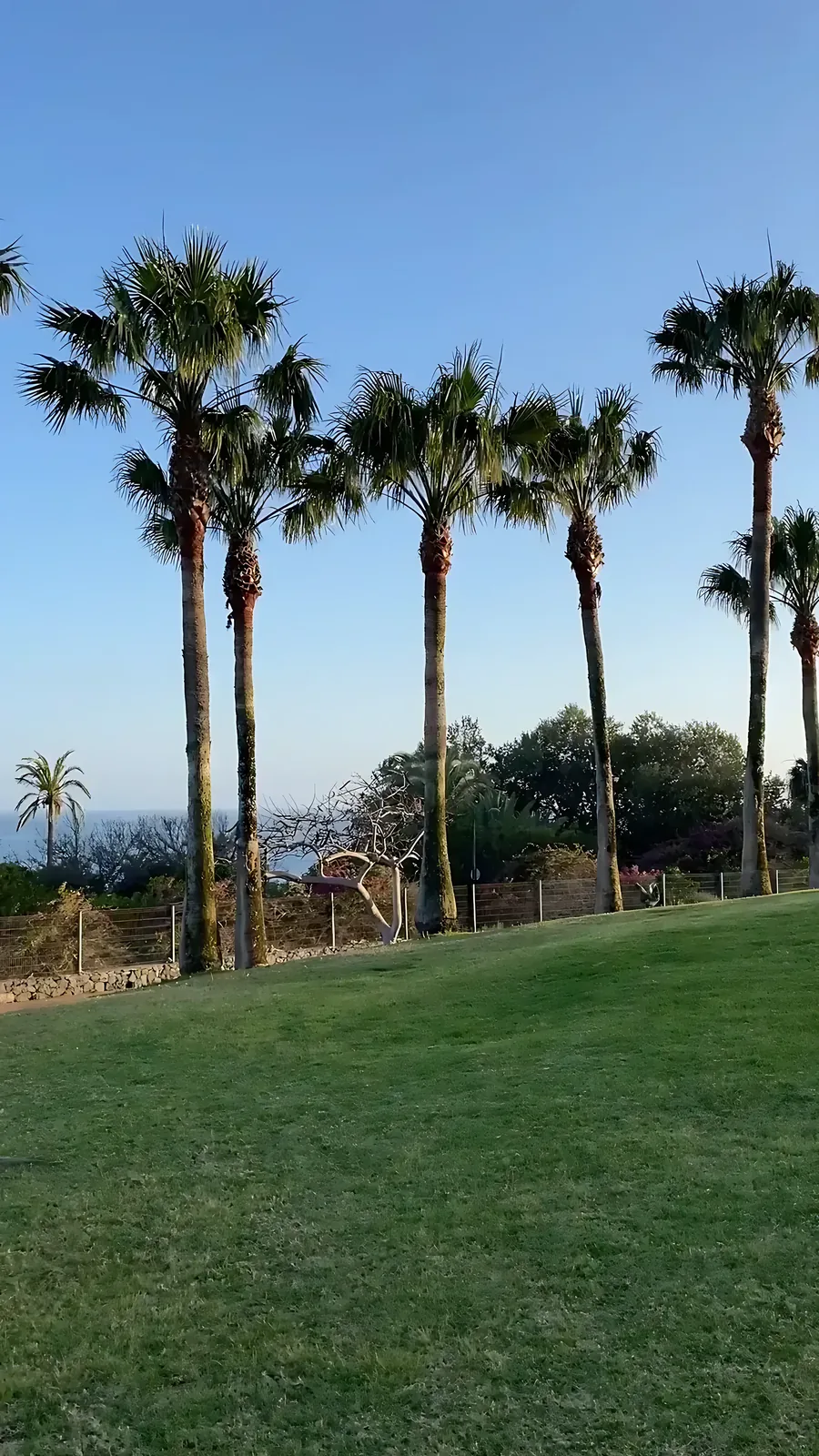
Playa de Santiago, La Gomera
The Norwegians who came for bananas and stayed a hundred and twenty years
A hotel on ground that was a working farm before it was a lawn, in a village that once settled its accounts in fish. The plantations that brought the family here in 1904 are still a few minutes down the hill.
Read the journey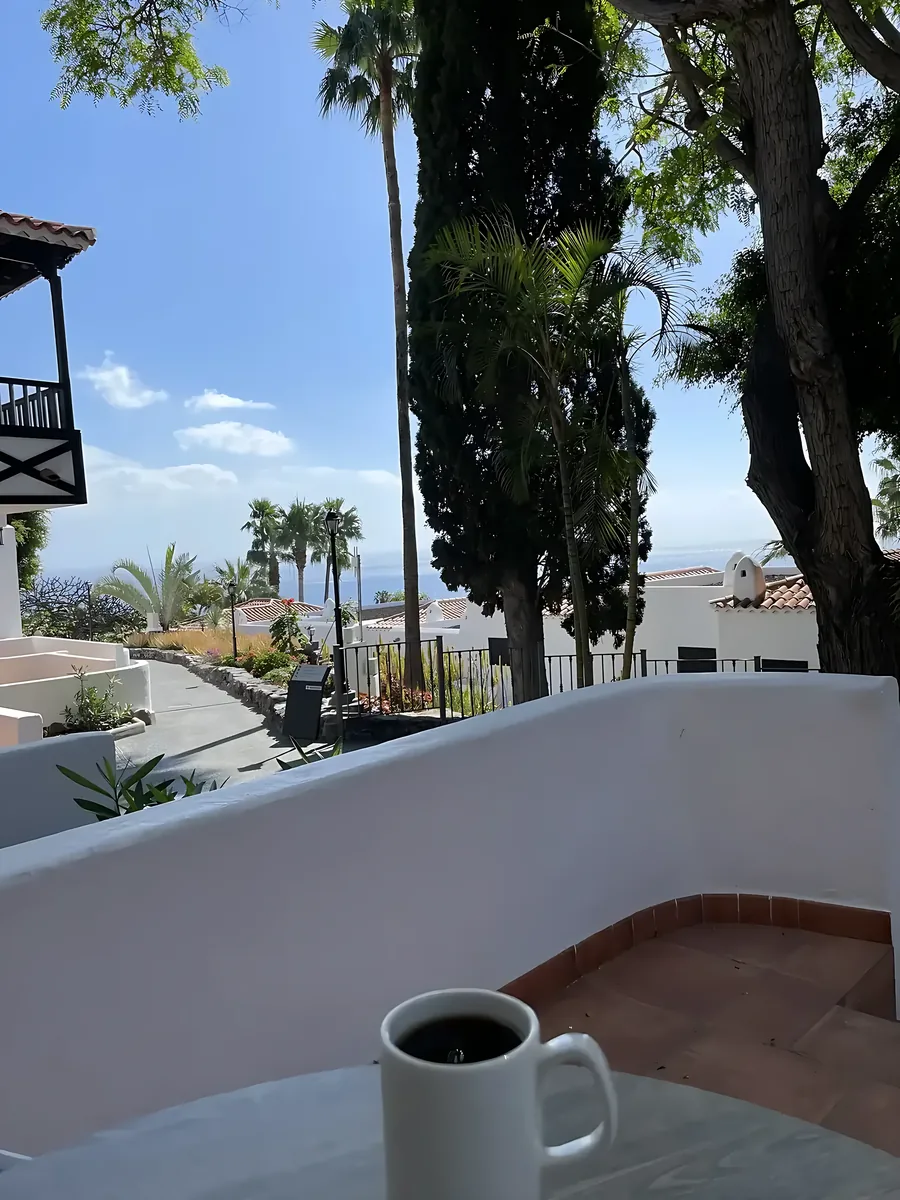
Barranco de Santiago
The coffee came out of the ravine below the hotel
Europe grows almost no coffee. The seed for this island's first nursery was recovered from cherry harvested in the valley you are looking down into.
Read the journey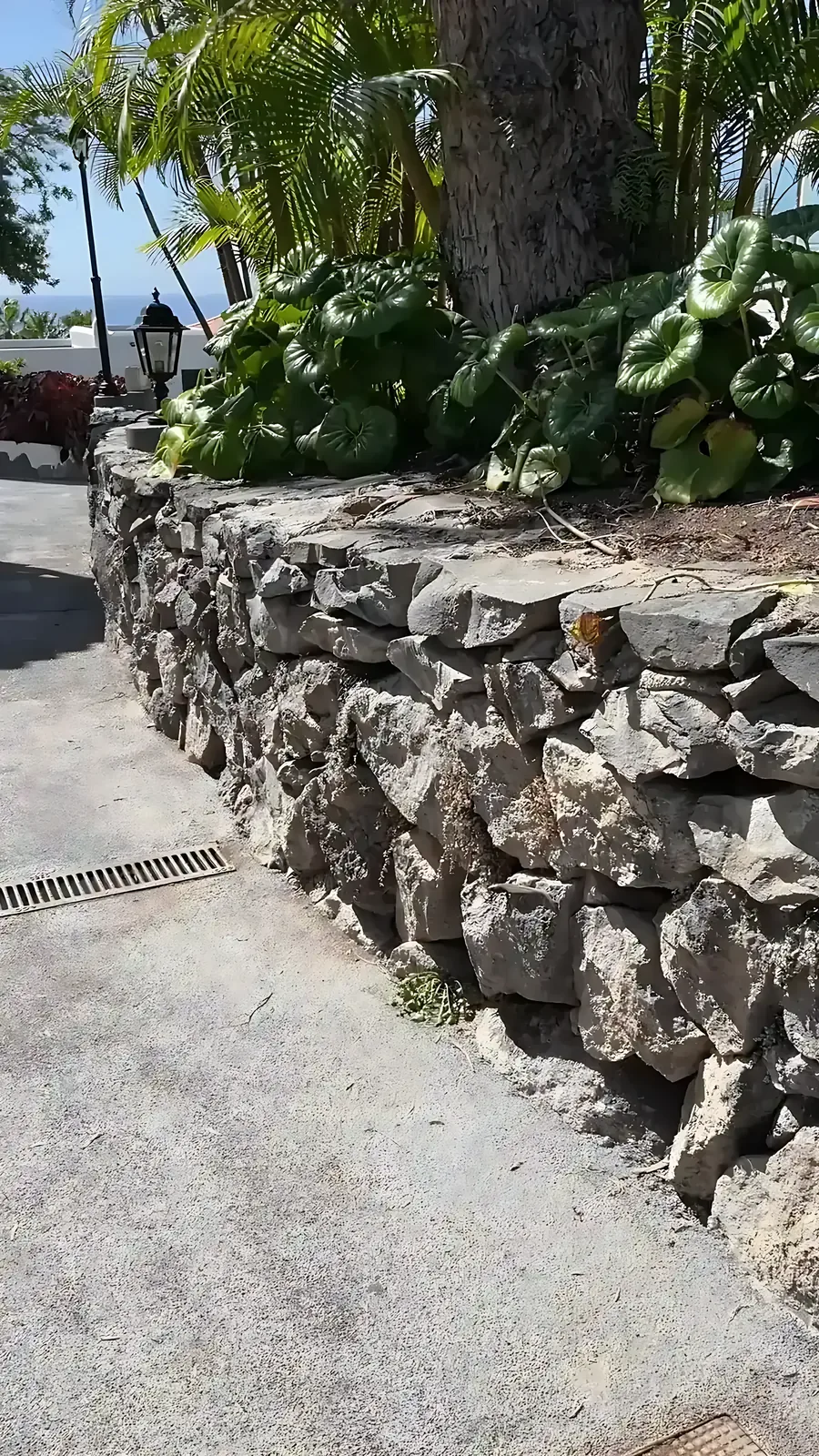
The terraces above Playa de Santiago
Everything green here is standing on somebody's labour
Not metaphorically. The soil on this coast is only where it is because a wall is holding it there, and somebody built that wall by hand.
Read the journey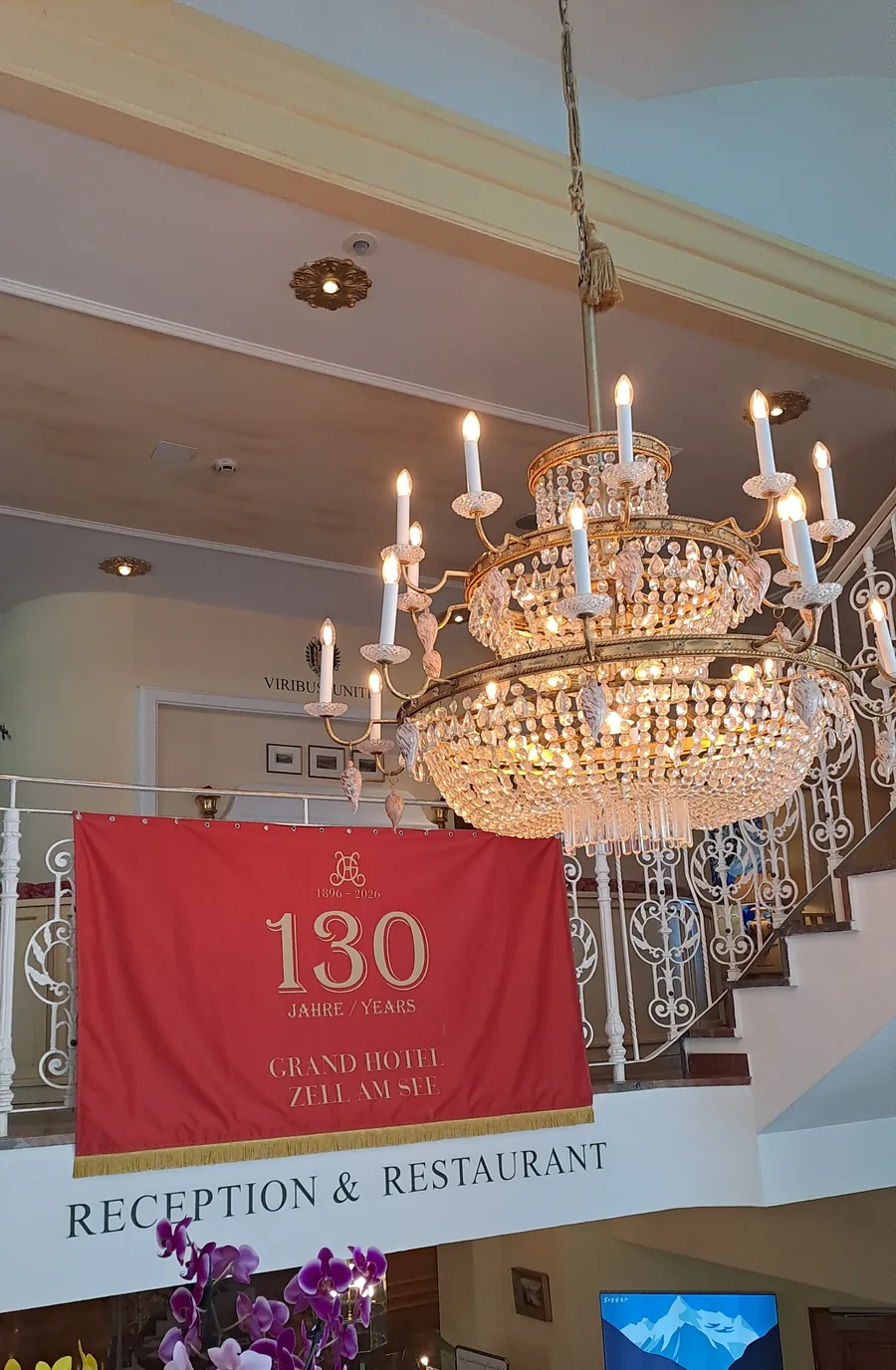
Grand Hotel Zell am See, Austria
A waiter from Linz, and a hotel that changed hands nine times
It turns 130 in 2026. The name does. The building was demolished to its outer walls in 1983 and rebuilt in eleven months behind its own front, and the honest version of that is a better story than the round number. A guidebook of 1903 lists a swing in the garden.
Read the journey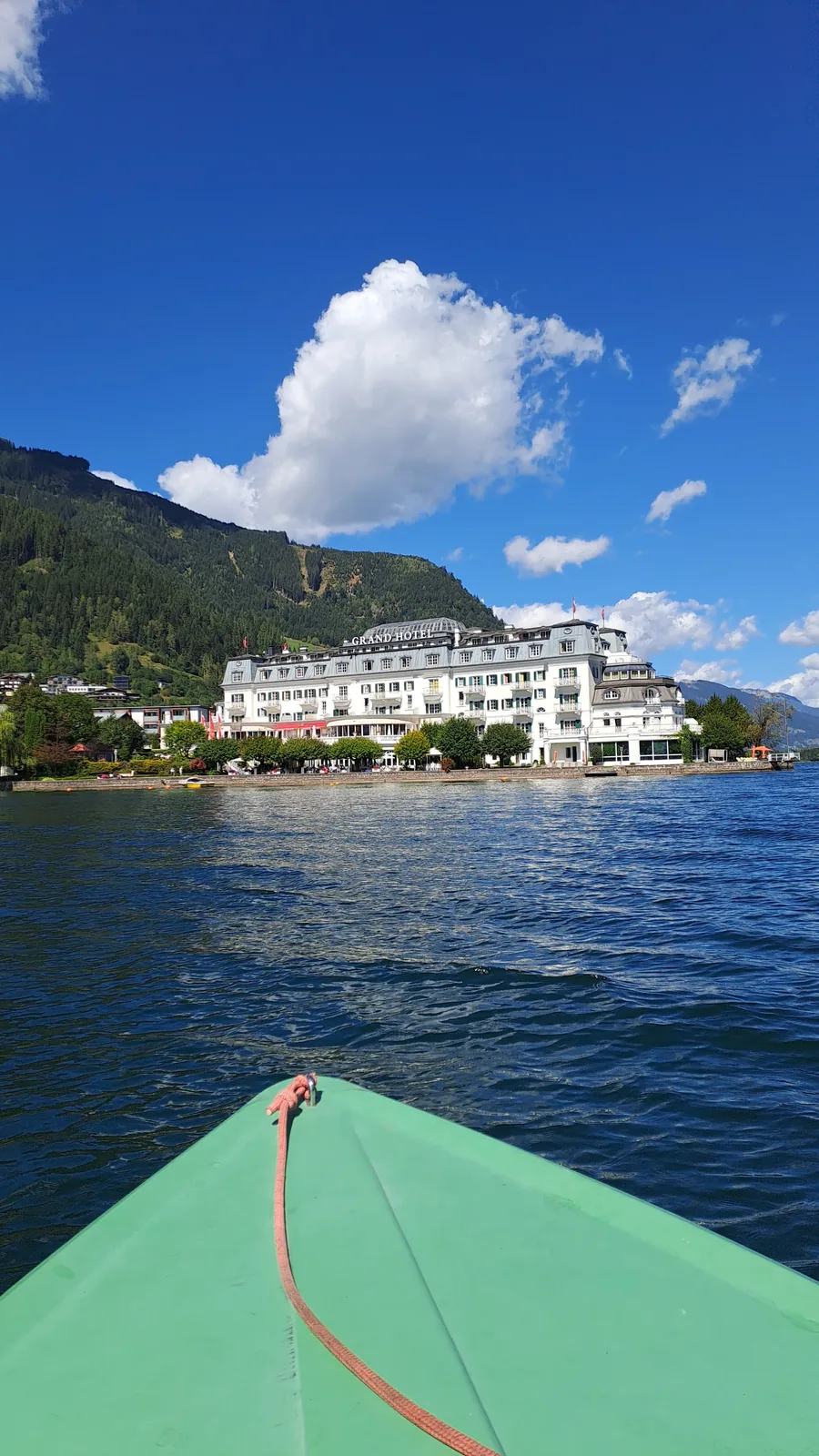
Zeller See, Salzburger Land
The only way to see the hotel properly is to leave it
Petrol engines are illegal on this lake. What is left is electric, paddled or sailed, and it moves at the speed of a determined walker.
Read the journey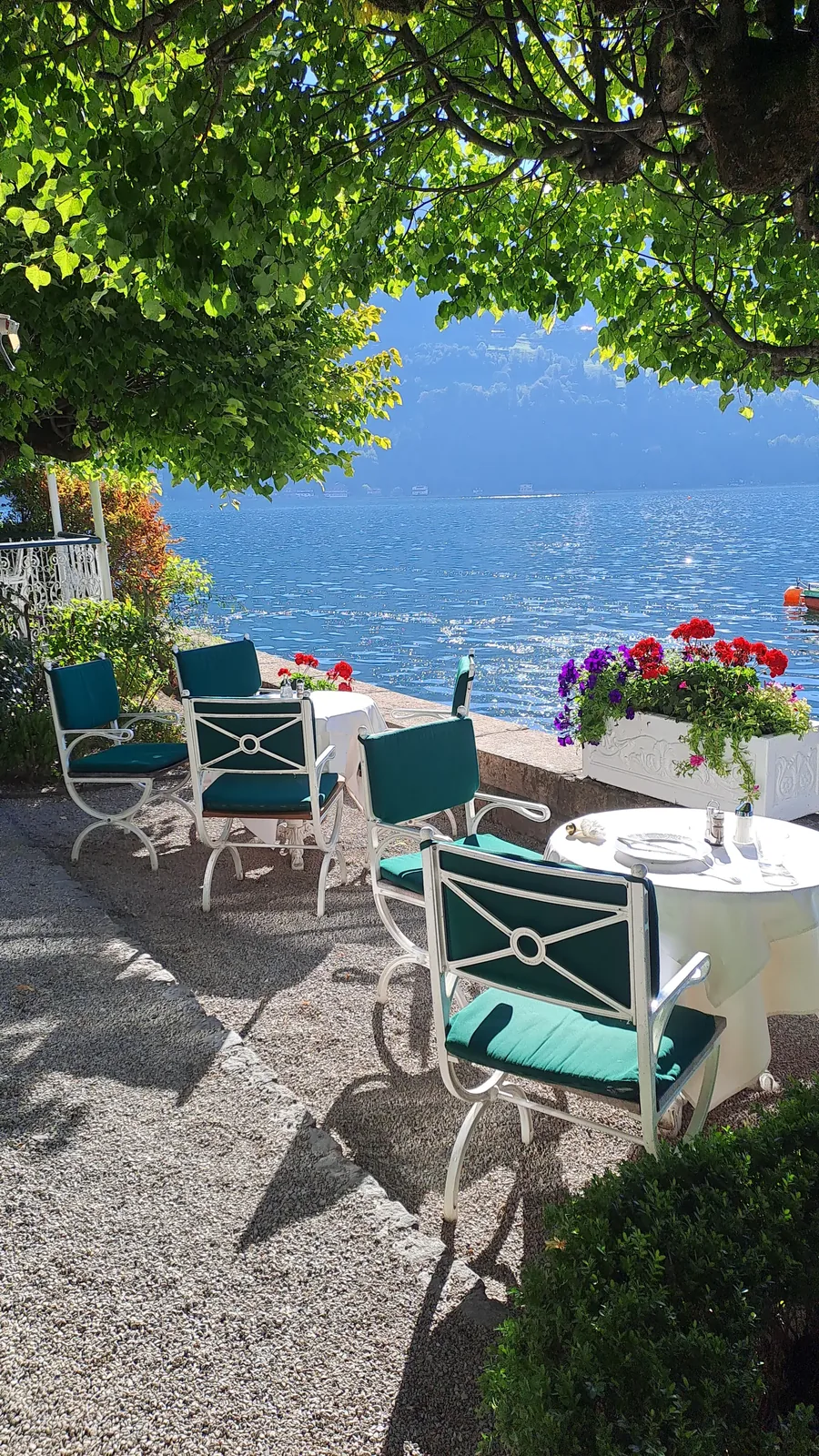
Zell am See, Austria
Water on three sides, and a lawn that runs to the edge of it
A formal parterre nobody needs, a painted glass dome in the old wing, and a piece of ground assembled in the 1880s that has never been cut off from the water.
Read the journey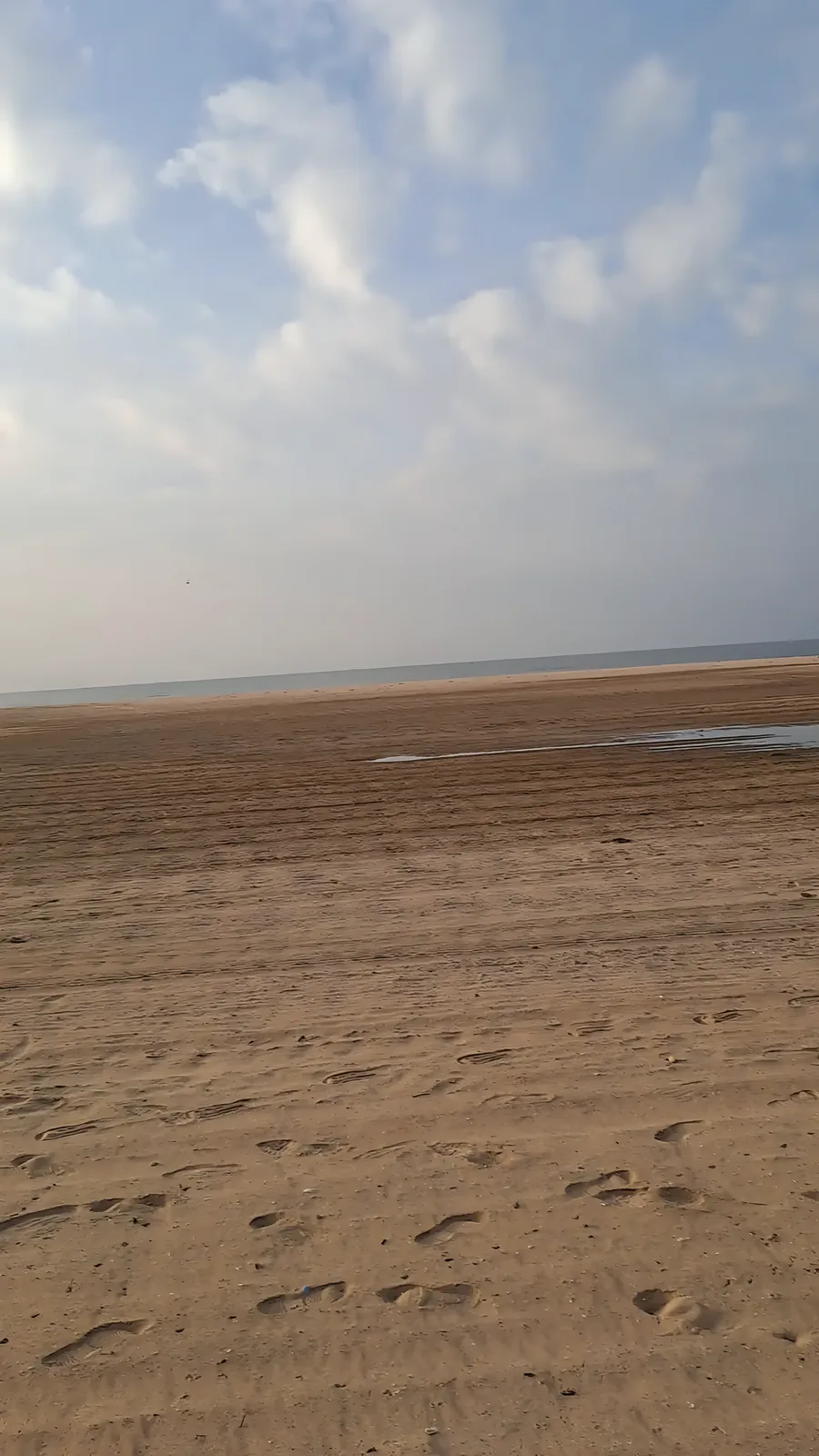
Hồ Tràm, Vietnam
The tide goes out and leaves half a kilometre of sand
A working fishing coast on the South China Sea, with a dawn crab market and forty-one approved resort projects arriving on a shoreline that is already eroding.
Read the journey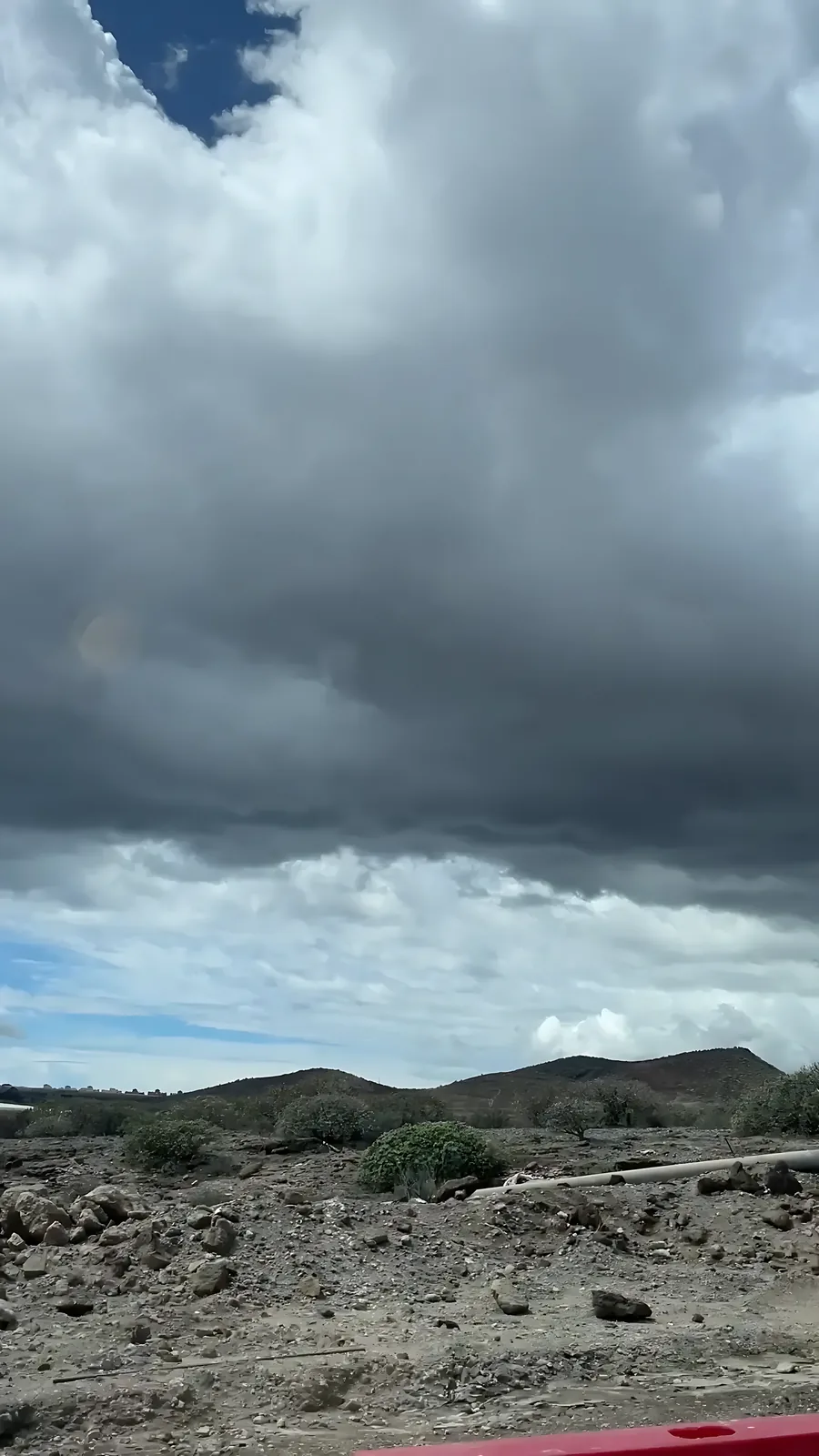
Golf del Sur, Tenerife
A golf resort on an island that has run out of water
A Hilton timeshare on the dry south coast, whose parent company has spent eight years funding water projects in eleven countries. Both of those facts belong in the same story.
Read the journey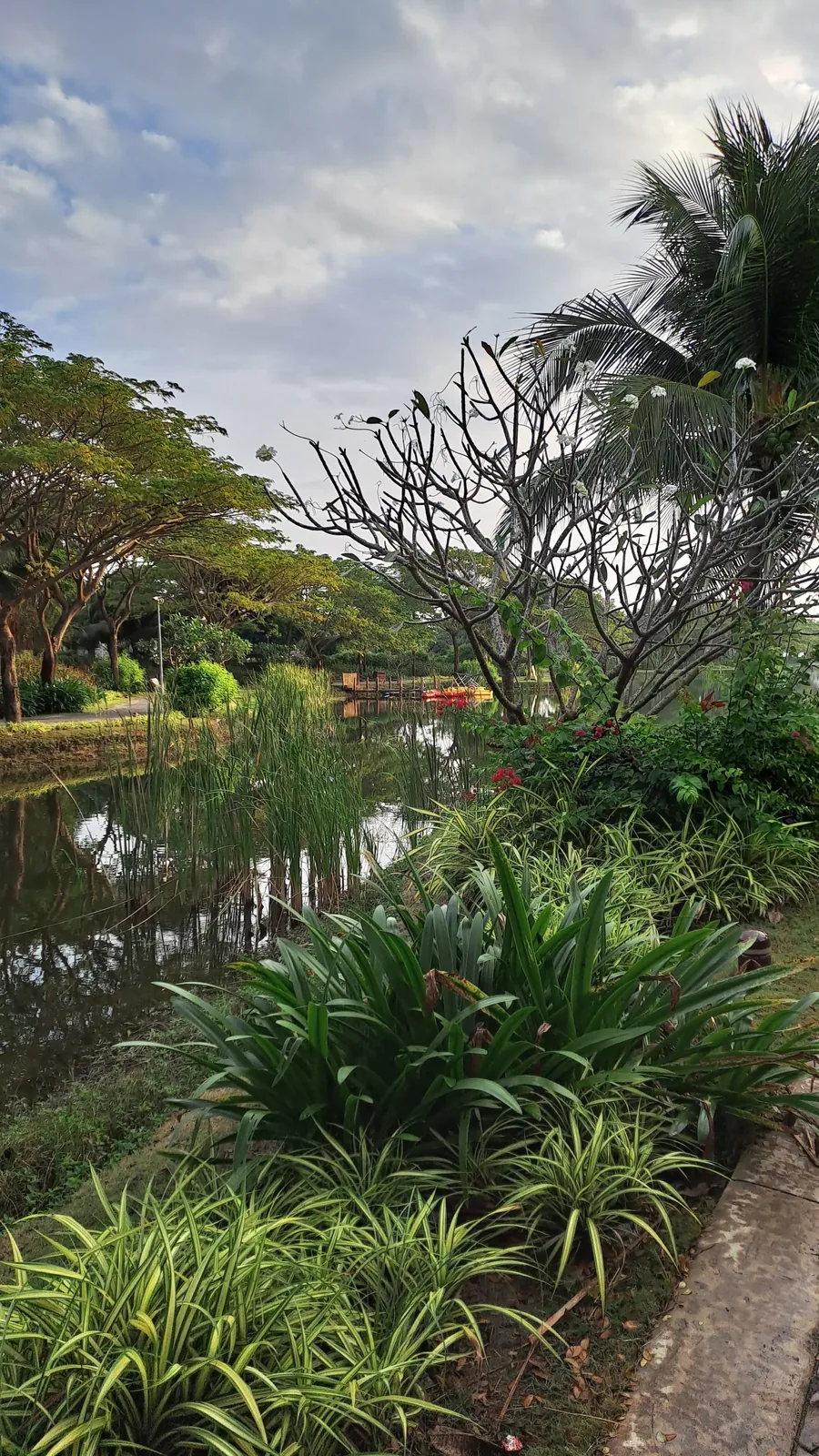
Meliá Hồ Tràm, Vietnam
A Spanish chain, a Singapore landowner, and a coast worth the trip
This one fails the first test we apply to anywhere. The ownership goes at the top of the page rather than the bottom, and the case has to be made on everything else.
Read the journey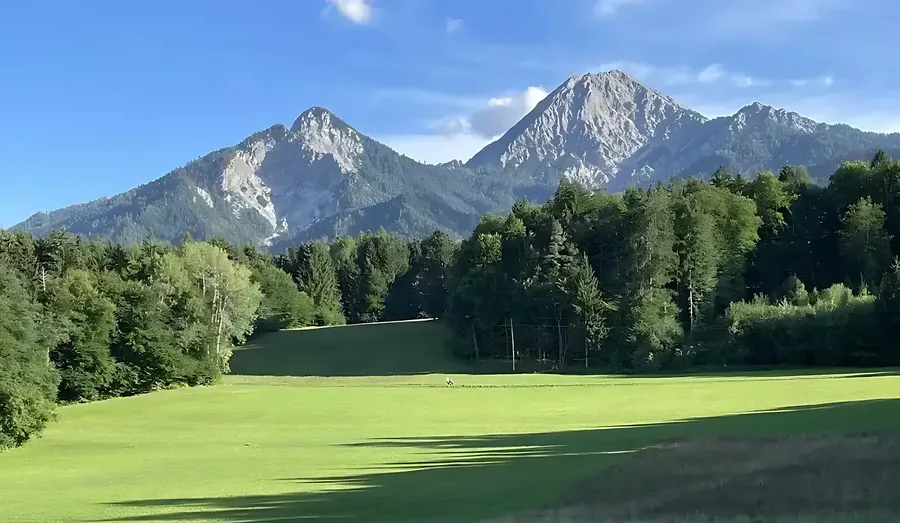
Naturel Hoteldorf Schönleitn, Austria
The village where you can let go of a child
Four-hundred-year-old Carinthian farmhouses with no cars between them, a turquoise lake down the hill, and the Slovenian border along the ridge behind. Locally owned, Austrian Ecolabel certified, and the children's clubs are included rather than sold.
Read the journey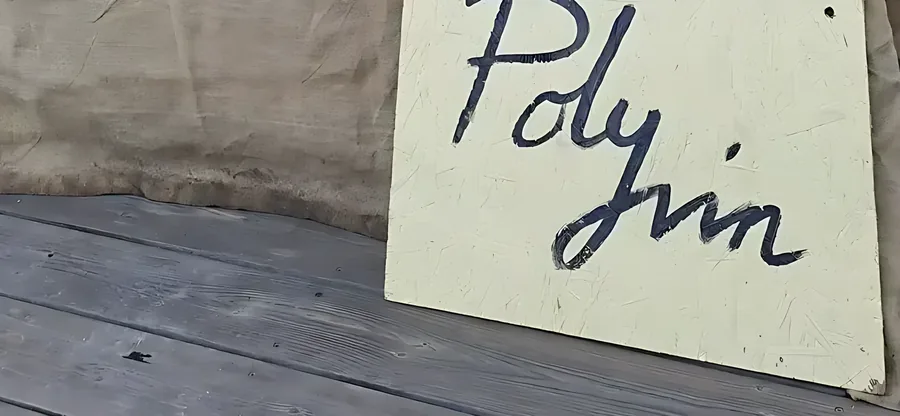
Grøntmarked, Copenhagen
The people behind the bottles
In the old boiler room of a railway station, a family presses hand-picked fruit into cider and natural wine, and paints every label by hand. A morning at Copenhagen's Green Market, and why the stall you buy from matters.
Read the journey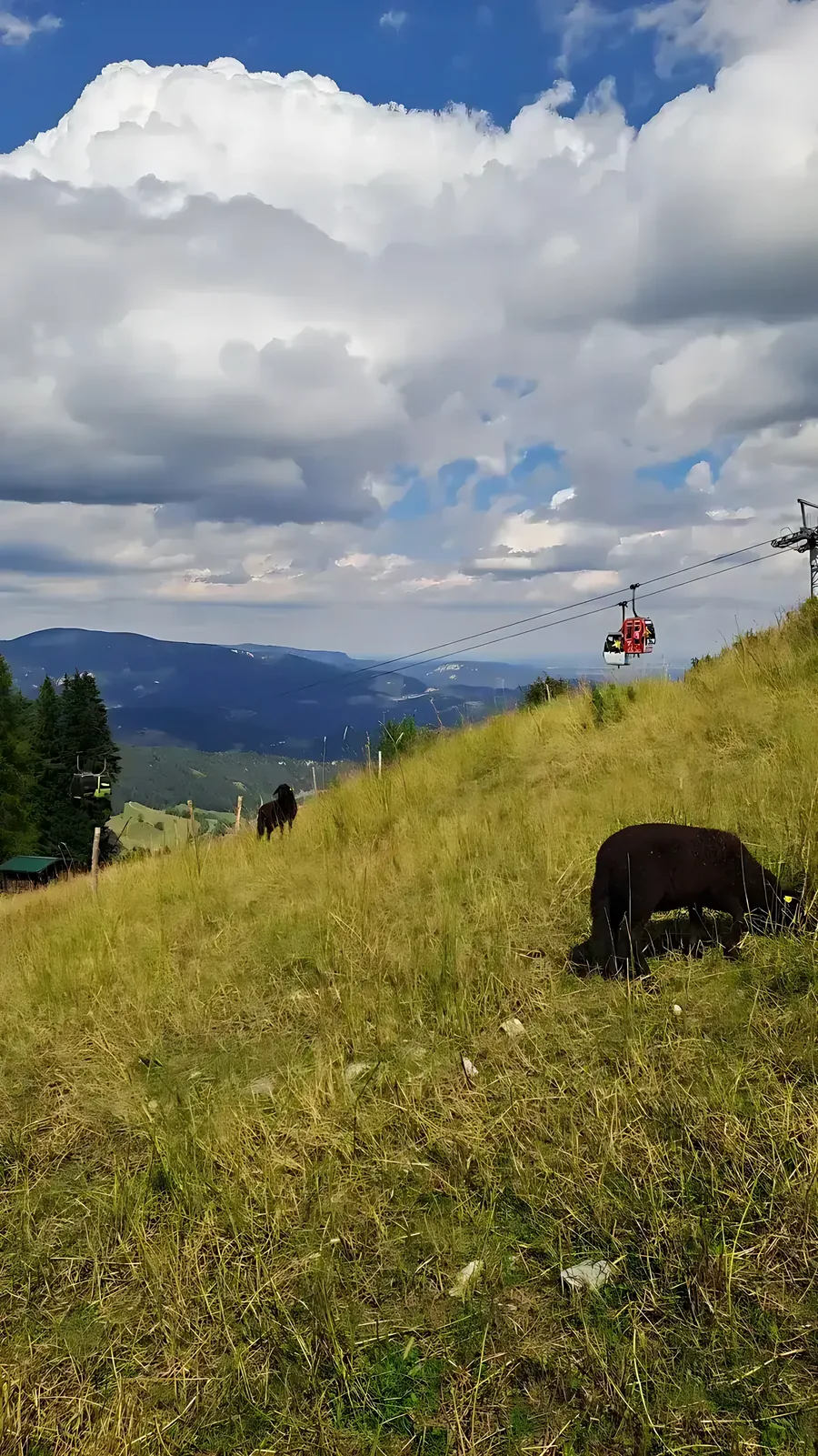
Semmering
The mountain that looks after other people's children too
Ninety minutes from Vienna over the first mountain railway ever built, to a summit where a whole day for a child costs nothing.
Read the journey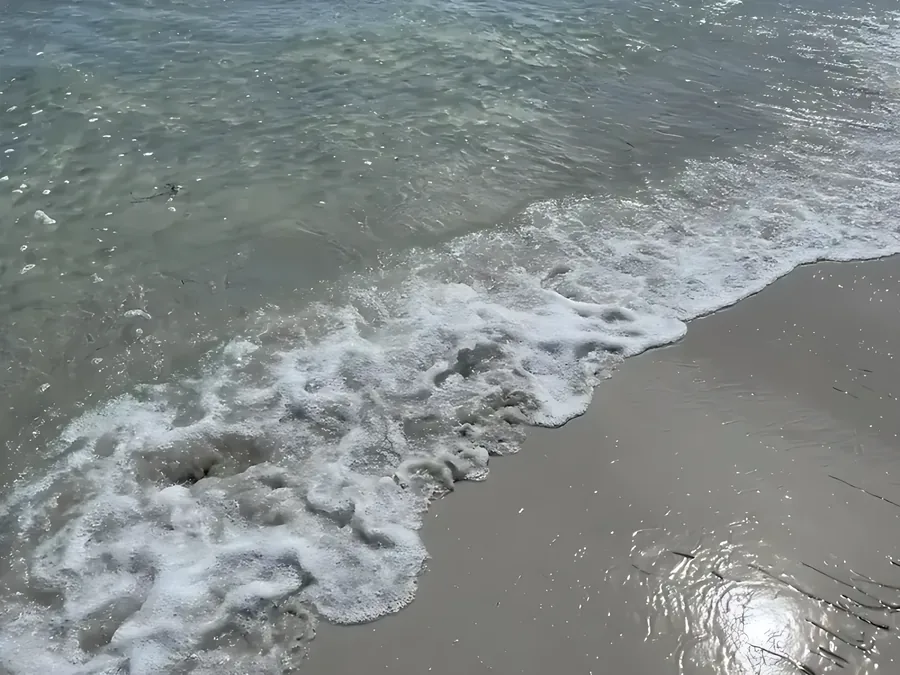
Dueodde, Bornholm
The sand that once measured time
Sand fine enough for hourglasses, and a pine forest planted to stop it swallowing the island.
Read the journey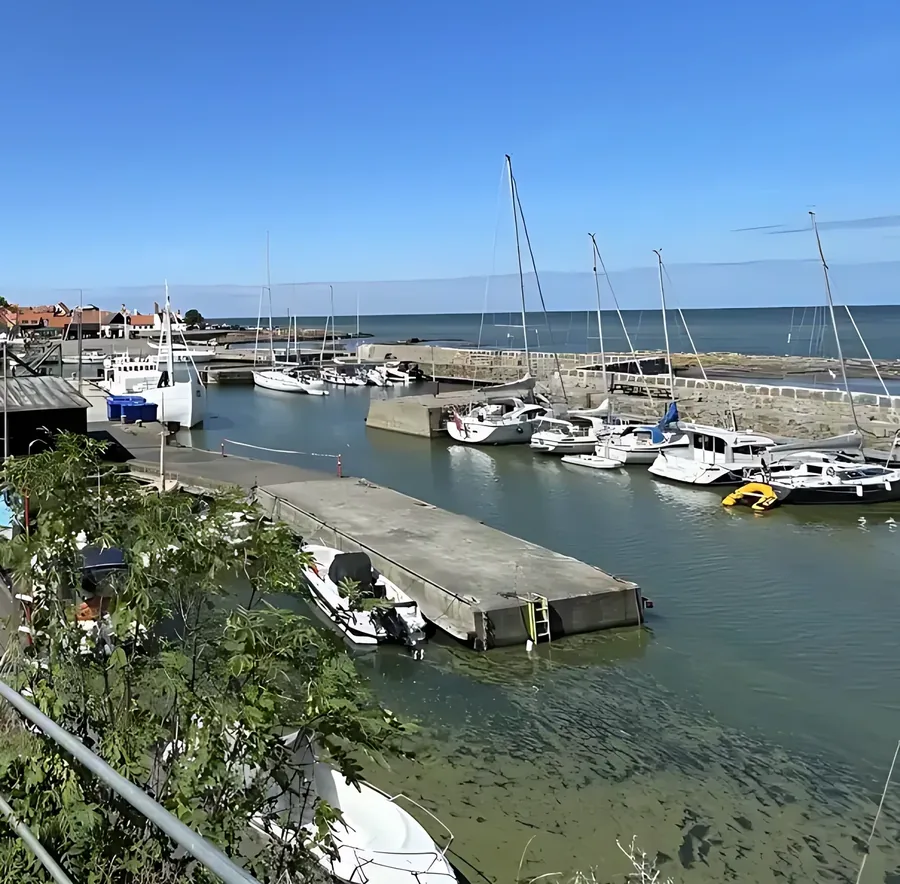
Gudhjem, Bornholm
The town that makes what it sells
Sugar still pulled by hand, granite instead of sand, and light that has drawn painters for a century.
Read the journey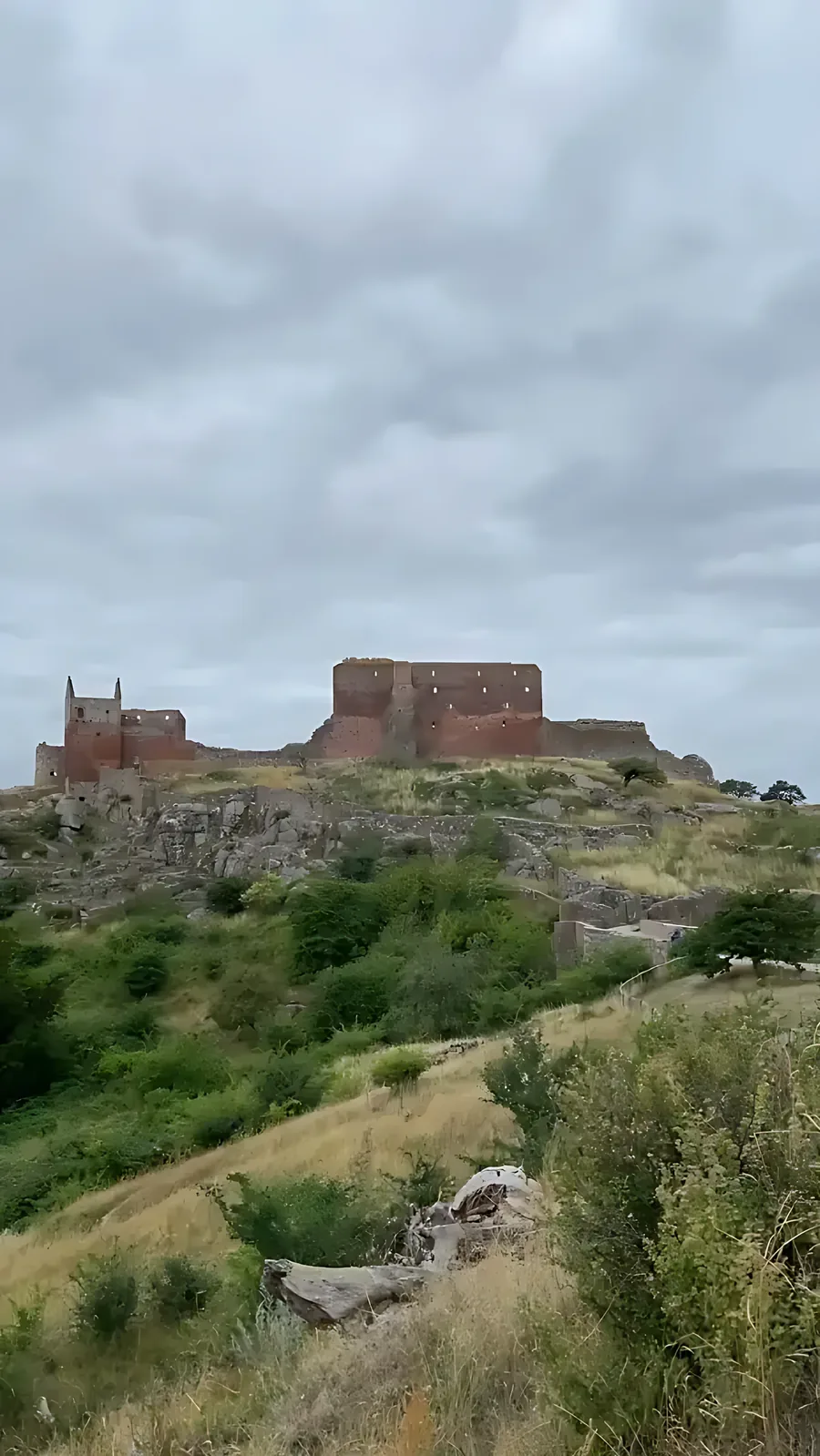
Allinge & Hammershus
Smoke, granite, and a castle on a rock
Alder smoke before you arrive, and the largest castle ruin in Northern Europe above it.
Read the journeyThe Living World · first journey
The sand that once measured time.
Dueodde, Bornholm
An island that plants forests to hold its beaches down
The sand at Dueodde is fine enough that it was once poured into hourglasses. The pine wood behind it is not wild. It was planted to stop that sand drifting inland, and within a century soldiers were using the same trees as cover for guns that never fired. Reached by bus and on foot, with a boardwalk the whole way to the beach.
Read the journeyHow these stories are made
A phone, a timetable, and permission.
No crew, no studio
Everything is shot on a phone, in the moment, one-handed more often than not. It is not polished, and that is the point. What you see is what was actually there.
Real people, asked first
Everyone featured is someone met along the way. They are asked before publication and can ask to be removed at any time. We never publish anyone's personal contact details.
Nothing is sponsored
Every maker, shop, museum and guesthouse was found, visited and paid for at our own cost. If a partnership ever supports a journey, it is named at the top before you read a word.
Read the full Trust & Access page for accessibility, data and independence in detail.
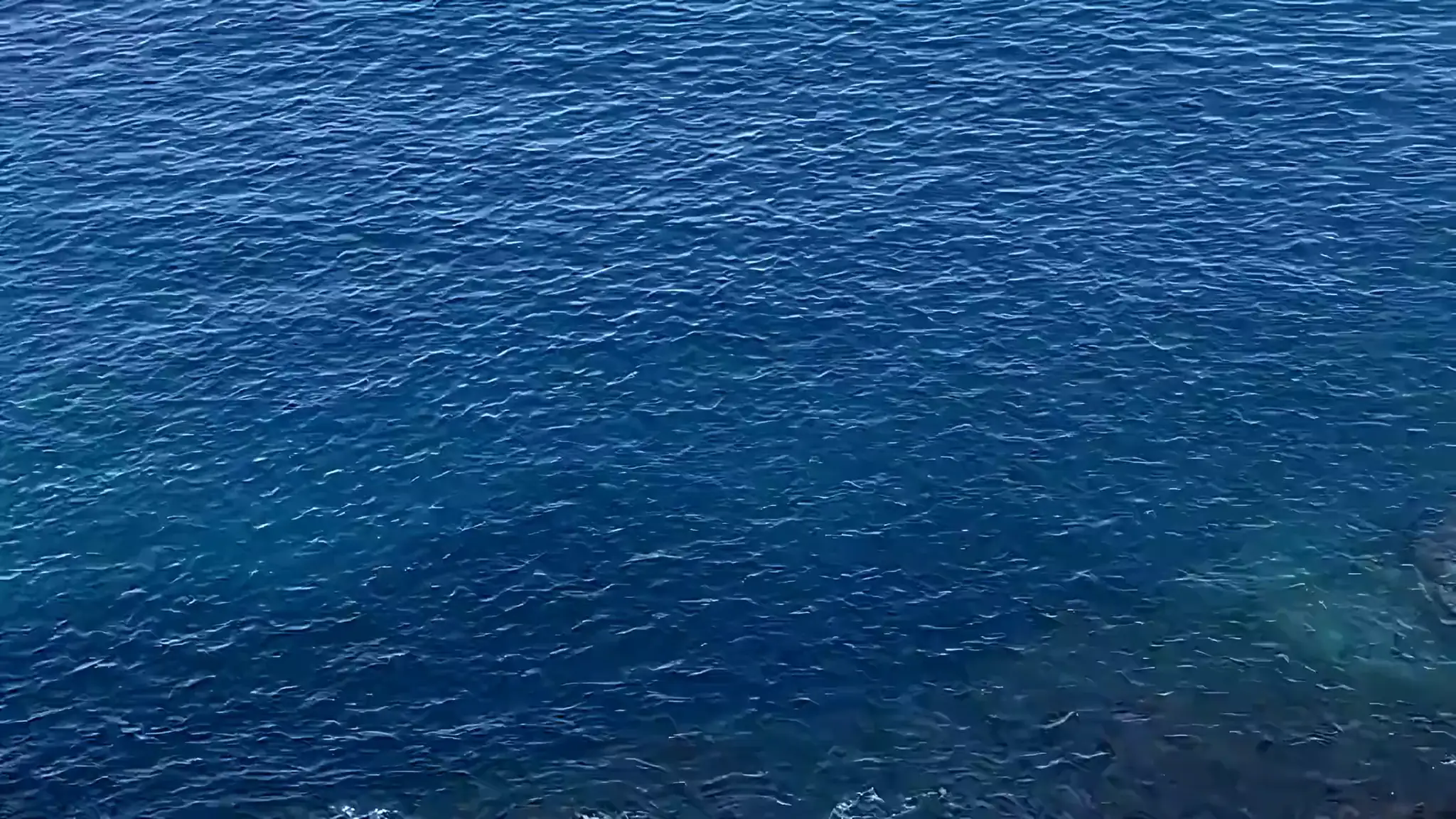
The reason to go is usually still standing there.
Our purpose
Travel that is good for people and for the ground it stands on.
Cultural travel is shifting from passive sightseeing toward living heritage, fair exchange and a positive local legacy, as bodies such as the Global Sustainable Tourism Council have set out. Atlántis is small and early, and builds to those principles from the first story rather than retrofitting them later.
People
Communities tell their own story
Makers, hosts and specialists are named, credited and asked how they want their place shown. Never an outsider talking over them.
Economy
Attention goes to local hands
We feature independent artisans, family businesses and small hosts so that visitors and their spending reach them directly rather than a global chain.
Planet
Car-free, near before far
These journeys are made without a car, by ferry, train, bus and on foot. The greenest journey is usually the closest one, taken slowly.
Truth
Accuracy is a duty of care
History rests on real excavation and dating. Journeys rest on real experience. What is uncertain is labelled uncertain, and nothing is invented.
We are at the beginning. These are promises we intend to be held to rather than achievements already earned, and we will report honestly on the distance between the two as Atlántis grows.
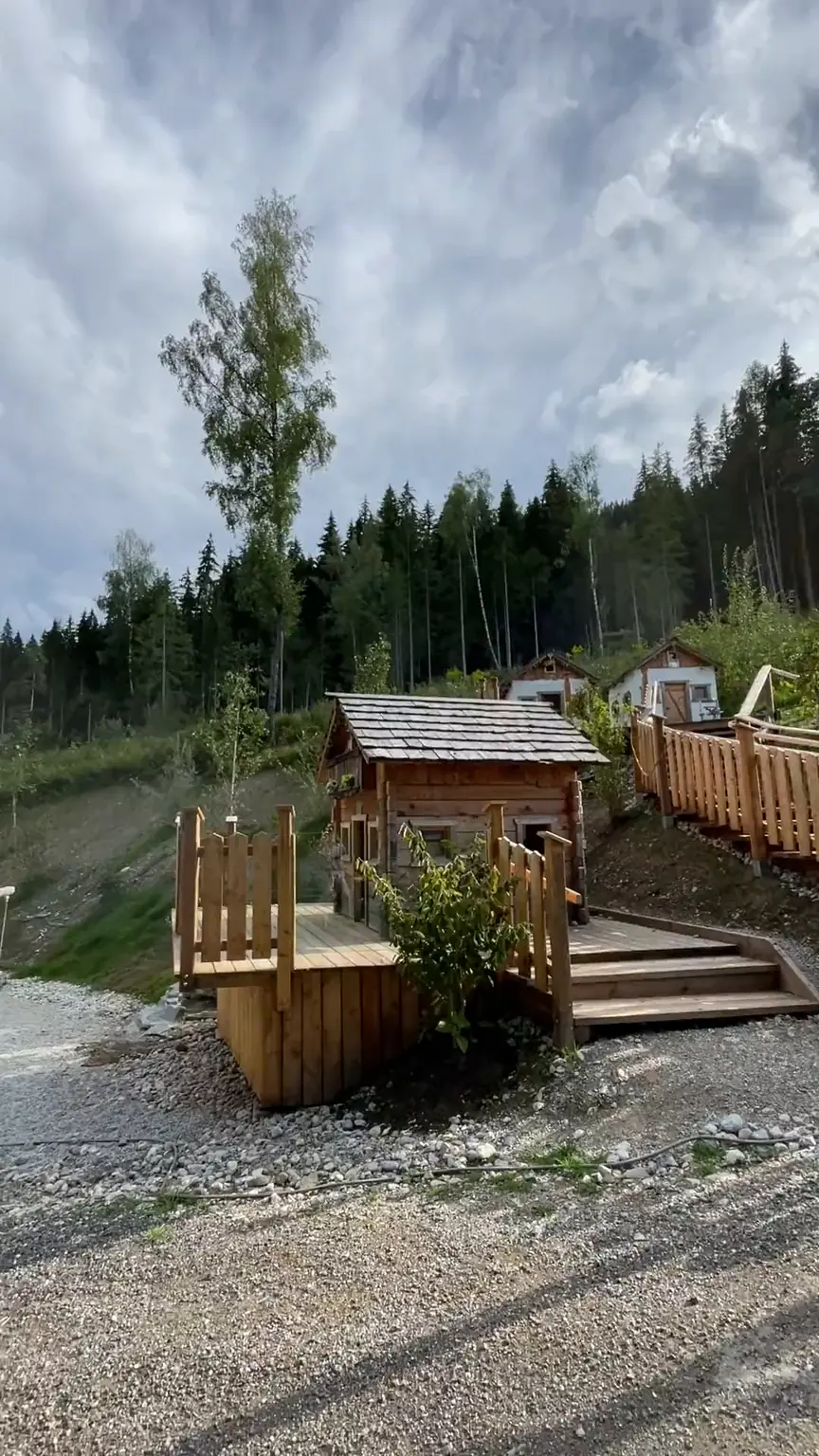
Small makers, small hosts, and the lives behind them.
Collaborations
For partners who want the same thing.
Atlántis is open to cultural institutions, tourism boards, sustainable local brands, small family-run hosts, rail and ferry operators, educators and mission-aligned supporters whose values match the work: sustainability, cultural immersion, purposeful travel, authenticity and heritage. Editorial control stays here, and every collaboration is disclosed.
Join the community
The stories and the films, in your inbox.
One email when there is a new journey to share: a place, the people in it, how we got there without a car, and what it was actually like to be there.
Or watch the films on Instagram.
The signup is not yet live. When it is, your address is used only to send stories, and you can unsubscribe at any time. See Trust & Access.